
워터 미터 유압에서 안정적인 출력을 제공하는 미디어 분리 압력 센서
매체 절연 압력 센서는 금속 다이어프램과 오일로 채워진 공동을 사용하여 측정된 유체에서 실리콘 스트레인 게이지를 분리합니다. 적절한 재료, 다이어프램 형상, 신호 조절(증폭된 비율계량 또는 디지털 I2C/SPI 출력) 및 온도 보상을 결합하여 이 센서는 수량계 유압 환경에서 장기, 선형 및 반복 가능한 압력 출력을 달성합니다.
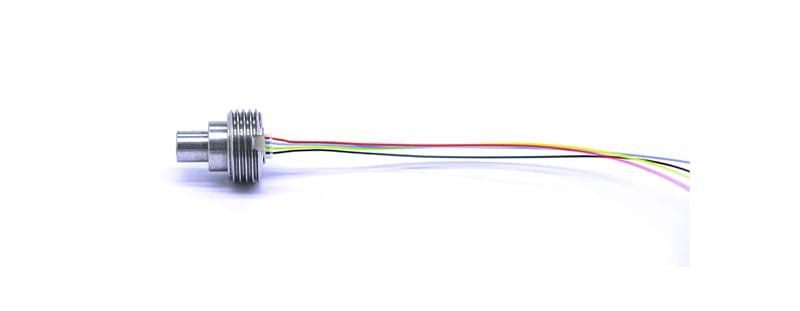
매체 절연 압력 센서는 금속 다이어프램과 오일로 채워진 공동을 사용하여 측정된 유체에서 실리콘 스트레인 게이지를 분리합니다. 적절한 재료, 다이어프램 형상, 신호 조절(증폭된 비율계량 또는 디지털 I2C/SPI 출력) 및 온도 보상을 결합하여 이 센서는 수량계 유압 환경에서 장기, 선형 및 반복 가능한 압력 출력을 달성합니다.

Contents: 1. Core components and working principles; 2. Key technical specifications and implementation methods; 3. Cooperative design of laser measurement and pressure sensors; 4. Engineering application scenarios and implementation considerations; 5. Reliability, calibration, and production testing; summary points.

High-performance MEMS pressure sensors in eye massagers provide real-time pressure control (15–40 mmHg), fast protection at >45 mmHg, waveform accuracy ±2 mmHg, altitude/temp compensation, <10 ms response, 100 Hz sampling, 0–100 kPa range, ±0.5%FS accuracy, and personalized calibration for safe, consistent user experience.
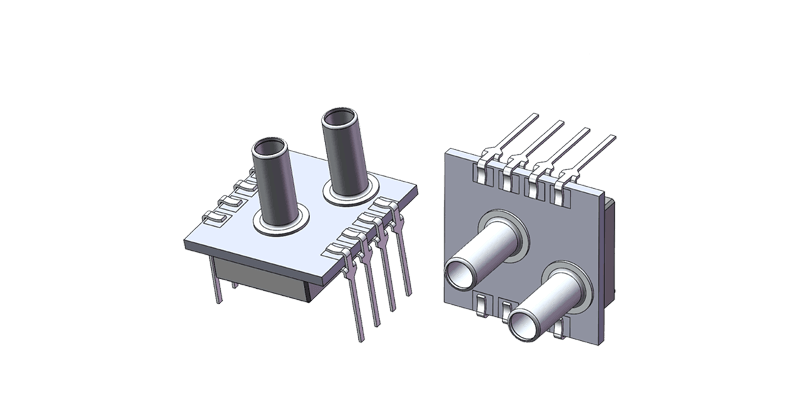
WF1525 combines the high sensitivity of a 3D diaphragm, on-chip temperature compensation, laser-trimmed zero points, and constant-current drive to deliver repeatable zero stability and span accuracy in mass production. Below, the technical points and engineering implementation are explained across five dimensions—design, temperature compensation, trimming, drive and calibration, and packaging—so system integrators can quickly integrate and calibrate.

High-resolution MEMS pressure sensor analysis: from sensitivity, noise, thermal compensation, and packaging perspectives, offering engineers actionable design and integration strategies to improve usable micro-pressure detection resolution.

This piece approaches the topic from the mountaineering scenario, focusing on sensor performance in dynamic pressure environments: resolution, power consumption, interface compatibility, and temperature compensation. The content is engineering- and product-integration oriented, emphasizing how the sensor can stably output 24-bit pressure and temperature data in mobile devices, enabling real-time altitude computation and power management.

In industrial control and data acquisition, the choice of sensor output directly affects debugging efficiency, system reliability, and engineering cost. This article compares the strengths and weaknesses of analog output and digital bus, starting from system requirements, and provides a decision-making direction centered on engineering needs.
Mechanical pitot/static and diaphragm systems suffer from mechanical lag and wear. Modern electronic pressure sensors replace moving parts with MEMS die, integrated signal conditioning, and programmable temperature compensation, delivering faster response, easier integration, and wider environmental tolerance. A dual-measurement design provides both differential (dynamic) and absolute pressure data, directly serving flight control and barometric altitude systems.

In intensive care and surgical settings, the accuracy of arterial pressure directly affects clinical decisions. Using high-resolution pressure sensors for height measurement allows real-time compensation and automatic correction by measuring the sensor’s vertical position relative to the hydrostatic reference point at the heart, thereby reducing human error and repeated manual adjustments.
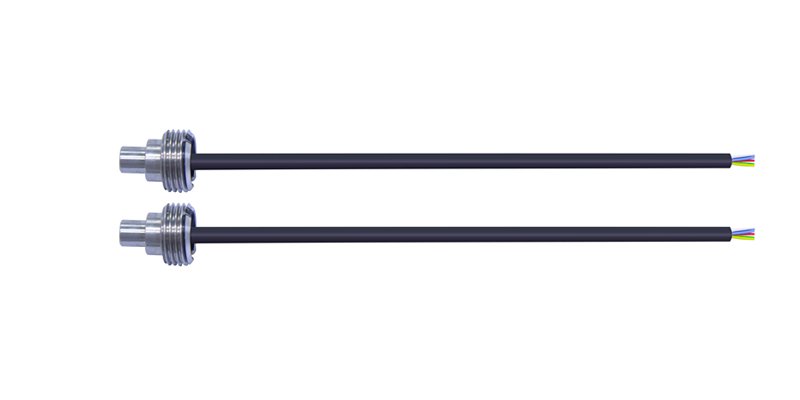
316L-sealed depth and temperature pressure sensor with oil transmission, wide temperature compensation, low-power 24-bit digital output and I²C interface; supports absolute-pressure-to-depth conversion, surface-pressure init, and decompression-model input for dive computers.
Differential-pressure die sensors, factory-zeroed and temperature-compensated on a ceramic substrate, serve as the key component for low drift and high stability in differential-pressure transmitters. From an engineering standpoint, this text covers temperature-compensation design, package benefits, electrical matching, and production quality-control points.
MEMS Pressure sensors enhance blood pressure watch accuracy through environmental compensation algorithms, effectively eliminating altitude pressure interference for ±5mmHg precision monitoring in high-altitude and aviation environments.
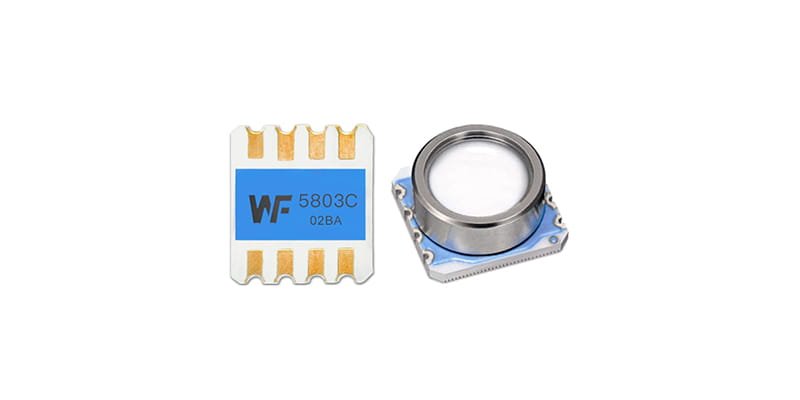
세라믹 기판 압력 센서를 사용하면 냉장실의 정밀한 모니터링과 스마트 제어가 가능해 안전성, 에너지 효율성, 환경 적합성 및 시스템 신뢰성이 향상됩니다.
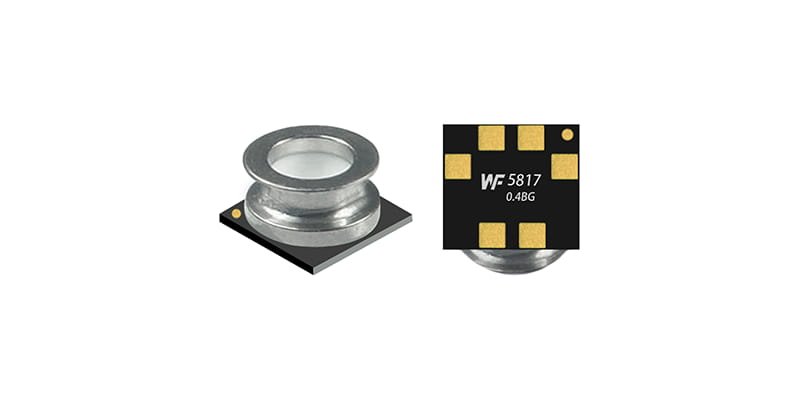
MEMS-based invasive blood pressure sensors deliver fast, high-sensitivity readings via metal pressure ports; this overview covers interface, signal conversion, compensation and closed-loop control for reliable integration.

비접촉 액체 레벨 센서는 정수기에 대한 오염 방지, 고정확도 및 안정적인 수위 모니터링을 제공합니다. 원칙, 통합, MEMS 패키징 및 검증을 다룹니다.