안정적인 압력 센서 출력 다이브 컴퓨터 깊이 측정

Stable Pressure Output

Depth and temperature pressure sensors convert underwater absolute pressure into precise depth information through stable absolute-pressure output. Sensor packaging, temperature compensation, and digital output together ensure consistent data across varying sea conditions and temperatures, supporting depth calculation, ascent-rate alarms, and decompression-model inputs in dive computers.

Depth Measurement Principle and Accuracy Requirements

Pressure-to-Depth Conversion

The sensor measures absolute pressure in the water column. Depth is calculated from (water pressure − atmospheric pressure) ÷ (seawater density × gravitational acceleration). High-precision absolute-pressure readings, low temperature drift, and accurate surface-pressure initialization are directly tied to safe depth reporting. A sensor accuracy example of ±0.5% FS significantly reduces depth errors that could increase decompression risk.

확산형 실리콘 압력 트랜스미터

Atmospheric Compensation and Algorithm Integration

Surface-Pressure Initialization and Data Fusion

Before a dive, the device initializes using surface atmospheric pressure; during the dive it continuously monitors absolute pressure and uses temperature data to adjust calculations for fluid density and gas consumption estimates. Sensor output feeds directly into decompression models (for example, Bühlmann/ZHL-type models) and ascent-rate checks, enabling live depth updates and triggering audible/visual alerts when safety thresholds are exceeded.

Hardware Design Points and Interface Requirements

Packaging, Electrical, and Power Design

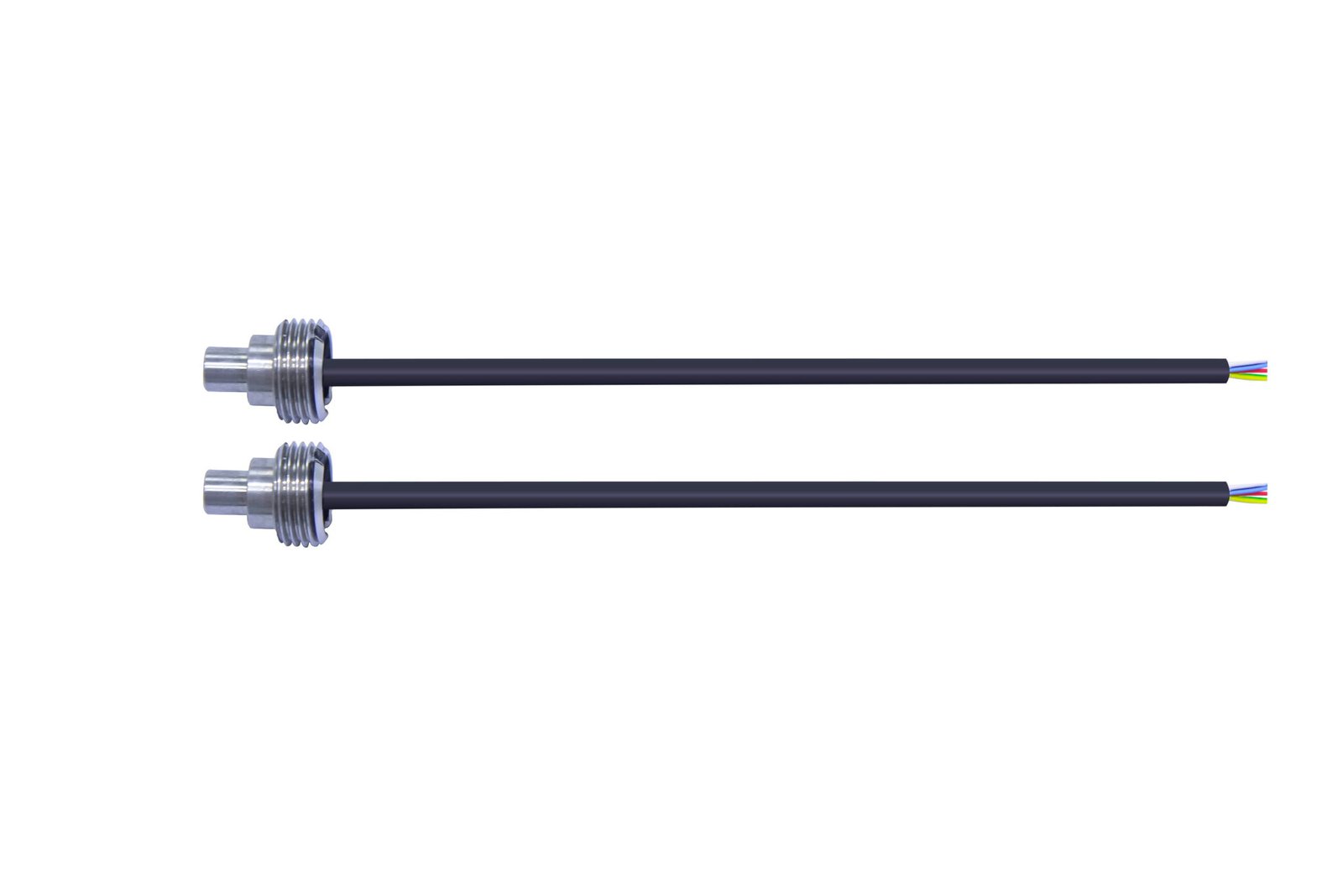
Sensors for dive computers are typically housed in 316L stainless steel and use oil-filled transmission to isolate the sensing element. They support sealed gauge and absolute pressure modes and cover ranges such as 6–30 psi for high-performance, low-pressure applications. Power range is 1.8–3.6 V, peak supply current is low (around 1.4–1.5 mA), and the device often outputs via a 24-bit DSADC over an I²C interface, allowing direct MCU integration and minimizing front-end analog filtering needs.

Calibration, Testing, and Reliability Verification

Calibration and Quality-Control Process

Production and maintenance should include factory temperature-compensation calibration, zero and span verification, temperature cycling, and long-term aging tests. Field procedures must allow surface initialization or use of a standard pressure source to correct atmospheric offset. Combining these routines with confidence scoring to filter suspect readings ensures dive computers maintain consistent measurement quality across repeated dives.

Key Takeaways

A high-reliability absolute-pressure sensor—sealed in 316L housings, oil-isolated, wide-range temperature compensated, and offering low-power digital output—is the core element for robust depth measurement in dive computers. Through careful electrical and mechanical design, precise factory calibration, and ongoing field checks, such sensors provide the trustworthy pressure data needed for depth calculation, decompression-model input, and ascent-rate alarms while balancing accuracy and battery life for portable underwater devices.

위의 소개는 압력 센서 기술 적용의 표면적인 부분에 불과합니다. 우리는 다양한 제품에 사용되는 다양한 유형의 센서 요소, 작동 방식, 장점과 단점을 계속해서 탐구할 것입니다. 여기에서 논의된 내용에 대해 더 자세히 알아보려면 이 가이드 뒷부분의 관련 콘텐츠를 확인하세요. 시간이 촉박한 경우 여기를 클릭하여 이 가이드의 세부정보를 다운로드할 수도 있습니다. 공기 압력 센서 제품 PDF 데이터.

다른 센서 기술에 대한 자세한 내용은 다음을 참조하십시오. 센서 페이지를 방문하십시오.

코멘트를 남겨주세요

귀하의 이메일 주소는 공개되지 않습니다. 필수 입력란이 표시되어 있습니다 *

맨 위로 스크롤

문의하기