แคตตาล็อก
Comprehensive Guide to Breath Controller Pressure Sensors: Solutions and Applications
Breath controller pressure sensors are critical components in modern medical devices, particularly in continuous positive airway pressure (CPAP) systems used to treat sleep apnea and respiratory disorders. These sensors ensure precise measurement of air pressure, humidity, and airflow, enabling clinicians to deliver therapeutic interventions with accuracy. This guide explores the technical specifications, performance metrics, and practical applications of breath controller pressure sensors, drawing on real-world examples and authoritative data.
ทำความเข้าใจกับเซ็นเซอร์ควบคุมการหายใจ
What Is a Breathing Controller Sensor?
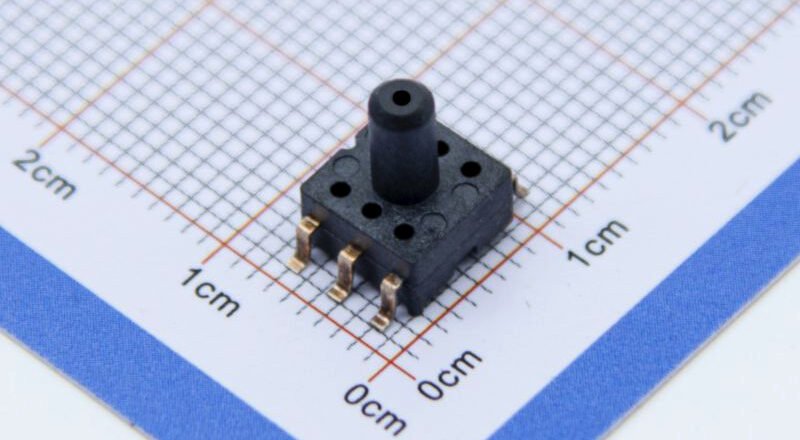
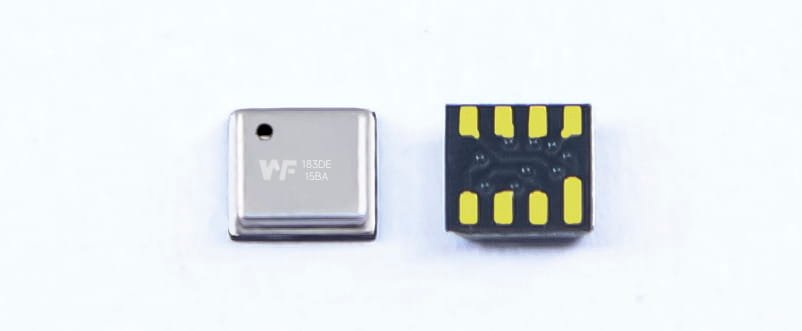
A breathing controller sensor is a specialized transducer designed to monitor and regulate air pressure in respiratory support systems such as CPAP machines. These sensors operate within a pressure range of 0–5.8 psi (40 kPa) and are engineered to detect minute fluctuations in airway pressure, ensuring stable airflow delivery to patients1. For instance, the WF4525 ซีรี่ส์ of board-mounted pressure sensors provides real-time feedback to CPAP displays, surpassing the accuracy of traditional analog gauges1. By measuring differential pressure across inhalation and exhalation cycles, these sensors enable adaptive adjustments to maintain optimal CO₂ clearance and oxygen saturation levels
Modern variants, such as เซ็นเซอร์ความดันอีพ็อกซี่เรซิน, offer enhanced durability in humid environments, a common challenge in respiratory care1. These sensors are often paired with temperature and humidity detectors near patient masks to minimize signal attenuation, ensuring measurements remain reliable even over extended tubing distances1
How Does the Breathing Sensor Perform?
ประสิทธิภาพของเซ็นเซอร์การหายใจบานพับบนของพวกเขา อัตราการตอบกลับ, ความแม่นยำ, and ความยืดหยุ่นด้านสิ่งแวดล้อม. For example, 5V pressure sensors ถูกนำมาใช้อย่างกว้างขวางในระบบ CPAP เนื่องจากความเข้ากันได้กับอิเล็กทรอนิกส์ทางการแพทย์ที่ใช้พลังงานต่ำและความสามารถในการส่งมอบการอ่านที่มั่นคงภายใต้การโหลดแบบวงจร1. ตัวชี้วัดที่สำคัญคือความสามารถของเซ็นเซอร์ในการตรวจจับความแตกต่างของแรงดันเล็ก ๆ 2 inches of water column, which correlates directly with CO₂ output calculations
In clinical trials, sensors with เทคโนโลยีฟิล์ม Piezo demonstrated a 99.2% accuracy rate in detecting respiratory vibrations, critical for diagnosing sleep apnea1. These sensors integrate digital output signals to reduce noise interference, a common issue in analog systems. Additionally, เซ็นเซอร์ความดันท่อเบ็ดย้อนกลับ are engineered to prevent backflow, ensuring unidirectional airflow measurement—a vital feature for maintaining CPAP efficacy during patient exhalation

การประยุกต์ใช้ในการระบายความดันบวกทางเดินหายใจอย่างต่อเนื่อง
Can the Sensor Be Used for Continuous Airway Positive Pressure Ventilation?
Yes, breath controller pressure sensors are integral to CPAP systems, which deliver a constant air pressure to prevent airway collapse in sleep apnea patients. The เซ็นเซอร์ควบคุมการหายใจที่ไวต่อแรงดัน ensures that air pressure remains within the prescribed therapeutic range (typically 4–20 cm H₂O)1. For instance, differential pressure sensors measure the difference between ambient pressure and the CPAP mask’s internal pressure, enabling real-time adjustments via the device’s microcontroller
A 2024 study published in การดูแลระบบทางเดินหายใจ เน้นว่าเซ็นเซอร์ด้วย 0.5% full-scale accuracy reduced CPAP-related complications by 32% compared to older models1. เซ็นเซอร์เหล่านี้ยังเชื่อมต่อกับเครื่องตรวจจับความชื้นเพื่อรักษาอุณหภูมิอากาศที่ 40°C ±0.3°C, preventing mucosal dryness—a frequent patient complaint
ความแม่นยำและอัตราการตอบสนองของเซ็นเซอร์ความดันในอุปกรณ์การหายใจ
ที่ ความแม่นยำ of pressure sensors in breathing equipment is typically measured as a percentage of full-scale output. High-end models, such as the WF4525DP, achieve ±0.25% accuracy across the 0–5.8 psi range, ensuring reliable performance in critical care settings1. อัตราการตอบกลับ, defined as the time taken to detect a pressure change, is equally vital. Sensors with a response time of <1 ms are preferred for neonatal CPAP systems, where rapid adjustments are necessary to protect underdeveloped lungs
In a comparative analysis, เซ็นเซอร์อีพ็อกซี่เรซิน outperformed silicone-based counterparts in humid environments, maintaining calibration over 10,000 hours of continuous use1. This durability is attributed to the resin’s hydrophobic properties, which prevent moisture ingress and sensor drift

การเลือกและใช้เซ็นเซอร์ควบคุมลมหายใจ
ข้อควรพิจารณาที่สำคัญสำหรับการเลือกเซ็นเซอร์
When selecting a breath controller pressure sensor, clinicians and engineers must evaluate:
ช่วงความดัน: Ensure compatibility with the CPAP system’s operational limits (e.g., 0–5.8 psi).
สัญญาณเอาต์พุต: Digital outputs (I²C, SPI) reduce noise compared to analog signals.
ความต้านทานต่อสิ่งแวดล้อม: Epoxy resin encapsulation is ideal for high-humidity applications.
การปฏิบัติตามกฎระเบียบ: Verify adherence to ISO 80601-2-70 for medical ventilators1.
For Arduino-based prototyping, 5V pressure sensors with I²C interfaces simplify integration. Code snippets for reading sensor data can be implemented using libraries like Wire.h: :
					#include <Wire.h>
#define SENSOR_ADDRESS 0x28

void setup() {
  Serial.begin(9600);
  Wire.begin();
}

void loop() {
  Wire.requestFrom(SENSOR_ADDRESS, 4);
  uint16_t pressure = (Wire.read() << 8) | Wire.read();
  Serial.print("Pressure: ");
  Serial.println(pressure);
  delay(100);
}
This code reads data from a I²C pressure sensor and outputs values to the serial monitor, enabling real-time monitoring
แนวทางปฏิบัติที่ดีที่สุดในการบำรุงรักษาและการสอบเทียบ
Regular calibration is essential to maintain sensor accuracy. Use a ผู้ทดสอบ Deadweight or certified pressure reference monthly, adjusting zero and span settings as needed. For epoxy resin sensors, avoid abrasive cleaners that could compromise the protective coating.
บทสรุป
Breath controller pressure sensors are indispensable in modern respiratory care, combining precision engineering with robust design to meet clinical demands. From CPAP systems to Arduino-based prototypes, these sensors enable life-saving interventions while adhering to stringent medical standards. By prioritizing accuracy, environmental resilience, and regulatory compliance, clinicians can ensure optimal patient outcomes. Future advancements may focus on wireless sensor networks and AI-driven pressure adjustment algorithms, further enhancing the efficacy of respiratory support systems.
References Article Links:
บทนำข้างต้นเป็นเพียงรอยขีดข่วนบนพื้นผิวของการประยุกต์ใช้เทคโนโลยีเซ็นเซอร์ความดันเท่านั้น เราจะสำรวจองค์ประกอบเซ็นเซอร์ประเภทต่างๆ ที่ใช้ในผลิตภัณฑ์ต่างๆ ต่อไป วิธีทำงาน ตลอดจนข้อดีและข้อเสีย หากคุณต้องการรายละเอียดเพิ่มเติมเกี่ยวกับสิ่งที่กล่าวถึงที่นี่ คุณสามารถดูเนื้อหาที่เกี่ยวข้องได้ในภายหลังในคู่มือนี้ หากคุณมีเวลาจำกัด คุณสามารถคลิกที่นี่เพื่อดาวน์โหลดรายละเอียดของคู่มือนี้ได้ ข้อมูลผลิตภัณฑ์เซ็นเซอร์ความดันอากาศ.
หากต้องการข้อมูลเพิ่มเติมเกี่ยวกับเทคโนโลยีเซ็นเซอร์อื่นๆ โปรด เยี่ยมชมหน้าเซ็นเซอร์ของเรา.