
Saída de pressão estável
Depth and temperature pressure sensors convert underwater absolute pressure into precise depth information through stable absolute-pressure output. Sensor packaging, temperature compensation, and digital output together ensure consistent data across varying sea conditions and temperatures, supporting depth calculation, ascent-rate alarms, and decompression-model inputs in dive computers.
Princípio de medição de profundidade e requisitos de precisão
Conversão de pressão-profundidade
The sensor measures absolute pressure in the water column. Depth is calculated from (water pressure − atmospheric pressure) ÷ (seawater density × gravitational acceleration). High-precision absolute-pressure readings, low temperature drift, and accurate surface-pressure initialization are directly tied to safe depth reporting. A sensor accuracy example of ±0.5% FS significantly reduces depth errors that could increase decompression risk.
Compensação atmosférica e integração de algoritmo
Inicialização de pressão da superfície e fusão de dados
Before a dive, the device initializes using surface atmospheric pressure; during the dive it continuously monitors absolute pressure and uses temperature data to adjust calculations for fluid density and gas consumption estimates. Sensor output feeds directly into decompression models (for example, Bühlmann/ZHL-type models) and ascent-rate checks, enabling live depth updates and triggering audible/visual alerts when safety thresholds are exceeded.
Pontos de design de hardware e requisitos de interface
Packaging, Electrical, and Power Design
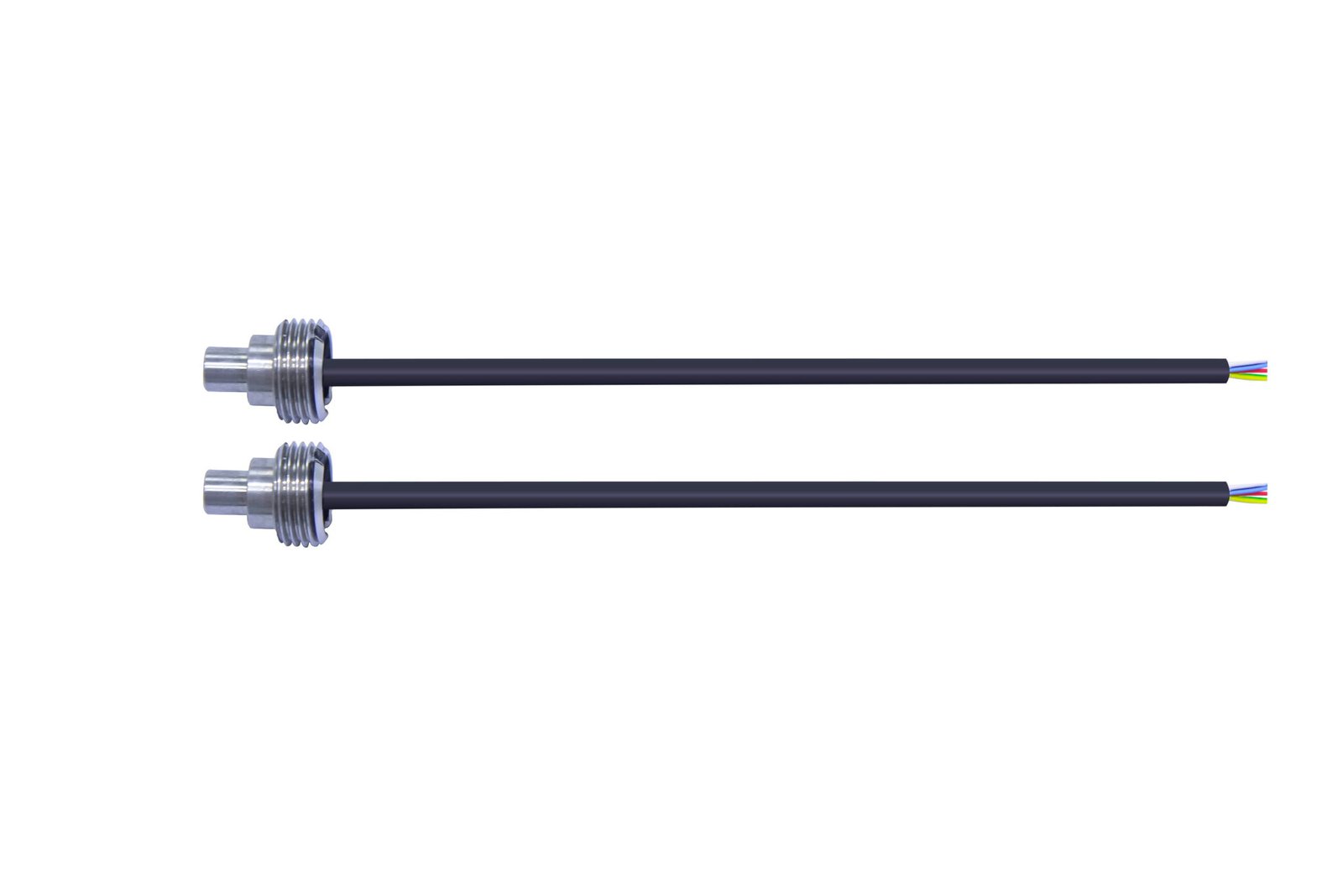
Sensors for dive computers are typically housed in 316L stainless steel and use oil-filled transmission to isolate the sensing element. They support sealed gauge and absolute pressure modes and cover ranges such as 6–30 psi for high-performance, low-pressure applications. Power range is 1.8–3.6 V, peak supply current is low (around 1.4–1.5 mA), and the device often outputs via a 24-bit DSADC over an I²C interface, allowing direct MCU integration and minimizing front-end analog filtering needs.
Calibration, Testing, and Reliability Verification
Processo de calibração e controle de qualidade
Production and maintenance should include factory temperature-compensation calibration, zero and span verification, temperature cycling, and long-term aging tests. Field procedures must allow surface initialization or use of a standard pressure source to correct atmospheric offset. Combining these routines with confidence scoring to filter suspect readings ensures dive computers maintain consistent measurement quality across repeated dives.
Takeaways -chave
A high-reliability absolute-pressure sensor—sealed in 316L housings, oil-isolated, wide-range temperature compensated, and offering low-power digital output—is the core element for robust depth measurement in dive computers. Through careful electrical and mechanical design, precise factory calibration, and ongoing field checks, such sensors provide the trustworthy pressure data needed for depth calculation, decompression-model input, and ascent-rate alarms while balancing accuracy and battery life for portable underwater devices.
A introdução acima apenas arranha a superfície das aplicações da tecnologia de sensores de pressão. Continuaremos a explorar os diferentes tipos de elementos sensores usados em vários produtos, como funcionam e suas vantagens e desvantagens. Se desejar mais detalhes sobre o que é discutido aqui, você pode verificar o conteúdo relacionado posteriormente neste guia. Se você está sem tempo, também pode clicar aqui para baixar os detalhes deste guia Dados PDF do produto do sensor de pressão de pressão de ar.
Para obter mais informações sobre outras tecnologias de sensores, por favor Visite nossa página de sensores.


