
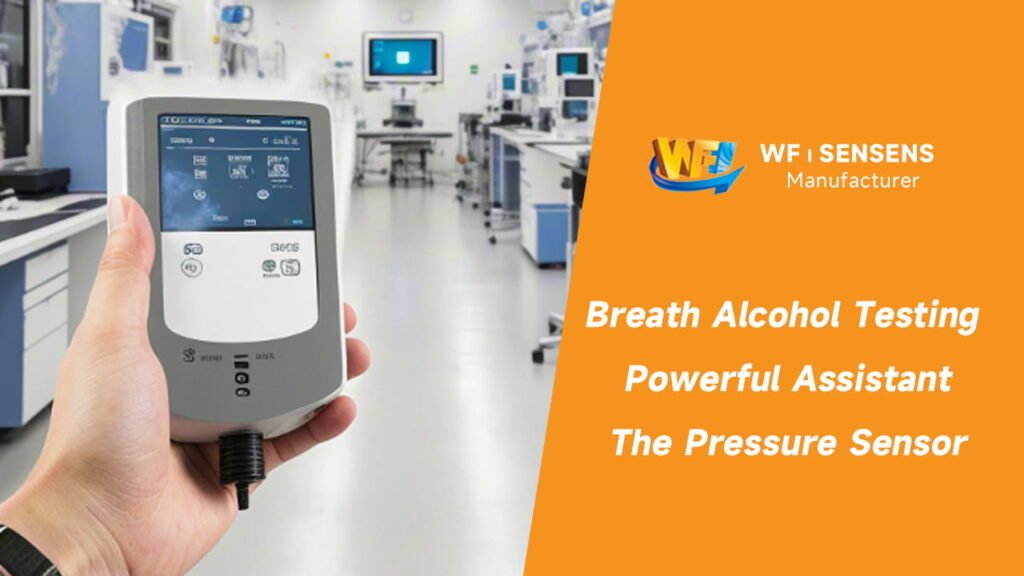
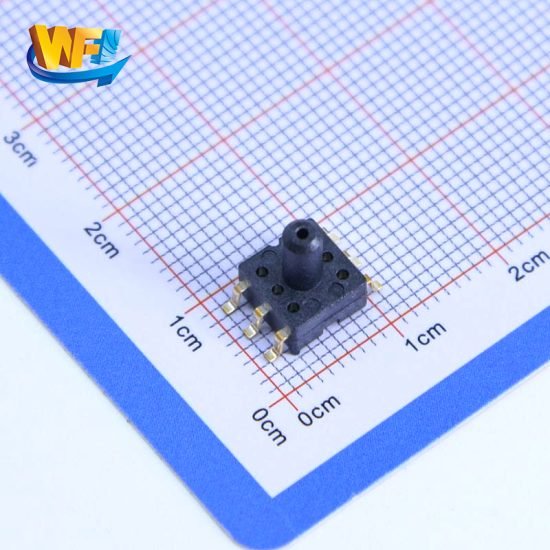
Pressure sensors play a pivotal role in breath alcohol testing. They not only ensure the quality of gas sampling during the testing process but also provide robust data support for the accurate determination of alcohol concentration. This article focuses on the Sensor de pressão WF100SPZ, examining its high precision, outstanding stability, rapid response, and exceptional reliability.
Catálogo
Vamos começar a entender!
Introdução
Breath alcohol testers primarily determine whether a driver is under the influence by analyzing the alcohol concentration in exhaled breath. Their core technology depends on the precise acquisition and processing of sensor data. Traditional testing devices often encounter issues such as insufficient sample volume or unstable airflow. The introduction of a pressure sensor effectively resolves these challenges. Among them, the WF100SPZ—a high-performance pressure sensor—plays a critical role in ensuring the accuracy of breath data and the overall stability of the device.
Principais recursos do WF100SPZ
2.1 High-Precision Measurement
The WF100SPZ offers extremely high measurement accuracy, capable of detecting minute changes in exhaled pressure. This precise pressure data provides a solid foundation for subsequent alcohol concentration calculations, significantly enhancing the accuracy of test results.
2.2 Excellent Stability
Regardless of varying environmental temperatures, humidity conditions, or extended continuous operation, the WF100SPZ maintains a stable working state. This stability ensures consistent, reliable pressure data in complex scenarios such as roadside checks and workplace testing.
2.3 Rapid Response
The sensor can quickly detect changes in exhaled pressure and convert them into electrical signals in a very short time. This rapid response not only improves testing efficiency and reduces wait times but also enhances user experience, making the detection process smoother.
2.4 Outstanding Reliability
Having undergone rigorous quality and durability testing, the WF100SPZ demonstrates high reliability and a long service life. This feature helps reduce maintenance costs and replacement frequency for applications requiring frequent and large-scale alcohol testing.
3. Working Principle & Cenários de aplicação
3.1 Working Principle
In a breath alcohol tester, the pressure sensor primarily monitors the pressure changes when a user exhales. The WF100SPZ ensures that the user provides an adequate and stable breath sample, thus guaranteeing the completeness and accuracy of the data. Once the sensor captures the pressure data and converts it into electrical signals, these signals are compared and processed with data from a fuel cell or semiconductor sensor, ultimately enabling precise measurement of alcohol concentration.
3.2 Application Scenarios
- Verificações de DUI na estrada: In traffic enforcement, the WF100SPZ continuously monitors the drivers breath pressure in real time, ensuring each test meets the standard exhalation requirement.
- Inspeções de segurança no local de trabalho: In corporate or industrial settings, the pressure sensor quickly and accurately determines whether employees are at risk of working under the influence.
- Dispositivos de teste pessoal: As personal health monitoring devices become more widespread, the WF100SPZ is increasingly used in portable breath alcohol testers, offering users a timely means of self-assessment.
Technical Advantages & Future Outlook
The WF100SPZ high precision, stability, rapid response, and reliability make it stand out in current breath alcohol testing, while also laying the groundwork for more intelligent and refined devices in the future. As sensor technology continues to advance, we can anticipate even higher levels of automation and intelligence in data acquisition and processing, further enhancing road safety and public health.
Conclusão
As a trusted ally in breath alcohol testing, the WF100SPZ pressure sensor delivers stable and accurate data thanks to its outstanding performance and technical specifications. Whether under harsh environmental conditions or in frequent-use scenarios, it maintains highly efficient and reliable operation, significantly boosting overall testing device performance. Looking ahead, as detection technology and sensor technology evolve, the WF100SPZ and similar products will play an even greater role in driving more precise and intelligent alcohol testing, safeguarding public safety.
Technical Parameter Comparison: WF100SPZ vs. US9411-100
Below is a comparison of the main technical parameters between two popular models in the Alcohol test instrument sensor series (WF100SPZ ). The table shows that while they share similar supply voltage, linearity, and temperature ranges, they differ in pressure range, making them suitable for different detection needs.
| Modelo | Pressure Range (Gauge) | Tensão de fornecimento | Modo de saída | Temperatura operacional | Temperatura de armazenamento | Linearidade |
|---|---|---|---|---|---|---|
| WF100SPZ | 0 ~ 0.72 PSI (5 KPa) | 5V | Saída analógica | -20 ~ 85°C | 40 ~ 125°C | 0.3% |
| WF100SPZ | 0 ~ 1.45 PSI (10 KPa) | 5V | Saída analógica | -20 ~ 85°C | 40 ~ 125°C | 0.3% |
Observação:
- PSI (pound-force per square inch) and KPa (kilopascal) are common pressure units used for various measurement and calibration environments.
- A smaller linearity value indicates that the sensor’s output curve is closer to an ideal linear curve over the pressure range, thus improving overall measurement accuracy.
- The operating temperature range refers to the ambient temperature in which the sensor can function normally, while the storage temperature range refers to the temperature range the sensor can withstand when not in operation.
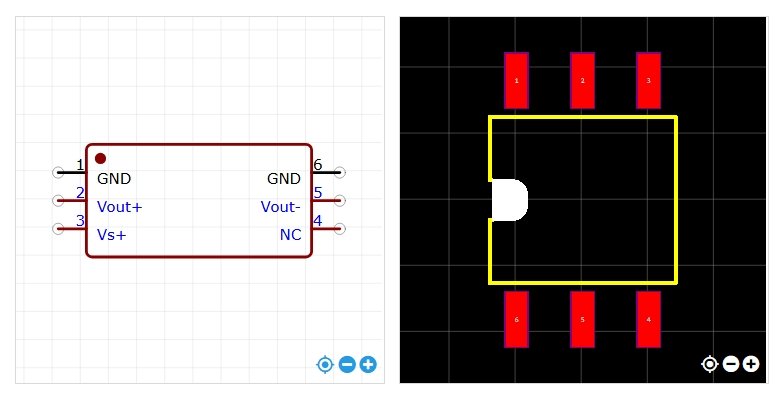
As shown in the table, the WF100SPZ excels at detecting subtle pressure changes within a lower range, making it especially suitable for monitoring the small pressure variations required in breath alcohol testing. Meanwhile, the WF100SPZ is designed for higher accuracy pressure requirements. Selecting the appropriate model based on the actual application scenario can better ensure device performance and detection accuracy.
A introdução acima apenas arranha a superfície das aplicações da tecnologia de sensores de pressão. Continuaremos a explorar os diferentes tipos de elementos sensores usados em vários produtos, como funcionam e suas vantagens e desvantagens. Se desejar mais detalhes sobre o que é discutido aqui, você pode verificar o conteúdo relacionado posteriormente neste guia. Se você está sem tempo, também pode clicar aqui para baixar os detalhes deste guia Dados PDF do produto do sensor de pressão de pressão de ar.
Para obter mais informações sobre outras tecnologias de sensores, por favor Visite nossa página de sensores.


