기상 예측에서 기압 압력 센서의 적용
기압 센서는 기상 예측에 필수적인 도구로, 다양한 응용 분야에 대한 정확한 날씨 예측 및 기후 분석을 가능하게 하는 실시간 대기압 측정을 제공합니다.

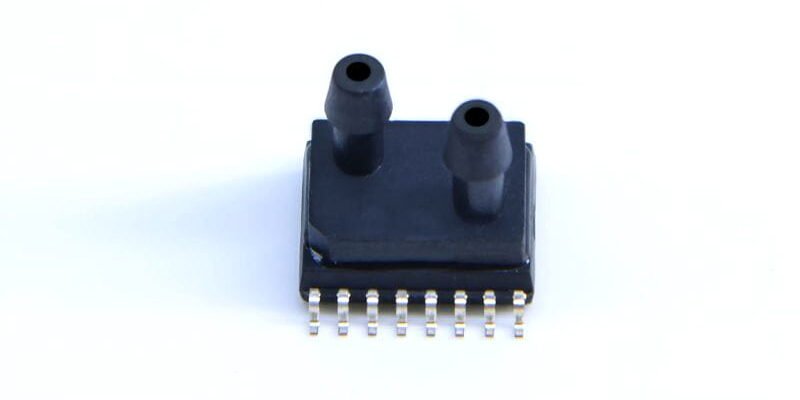
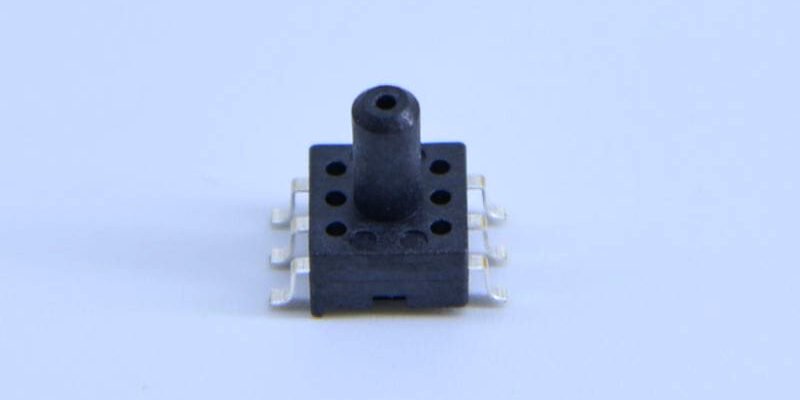
이 기사에서는 세 가지 유형의 압력 센서 패키징(비보상, 수동, 완전 보상)을 다루고 SOP6, DIP6 및 U6 패키지 구조를 비교합니다. 신호 교정 및 온도 보상에서 ASIC의 역할을 강조하고 센서 정확도 및 분해능을 테스트하는 도구에 대해 설명합니다.
This document outlines atmospheric pressure sensor calibration methods and wireless sensor advantages. Key calibration techniques include static, dynamic, and self-calibration procedures.
Through perfect combination of miniaturized packaging, ultra-low power design, and high-precision measurement capabilities, modern MEMS sensors provide powerful sensing capabilities for wearable devices. Resistive MEMS technology combined with intelligent temperature compensation algorithms ensures stable sensor performance under various environmental conditions.
Resistive MEMS sensors feature miniaturized design, low noise characteristics, and built-in temperature compensation, capable of accurately sensing pressure applied by gases or liquids within a 7Bar measurement range. The chemical stability and thermal shock resistance of ceramic materials make them ideal alternatives to traditional silicon-based sensors, particularly suitable for medical-grade applications and pressure monitoring in harsh environments.
Absolute pressure sensors achieve vacuum-referenced measurements through sealed high-vacuum chambers, enabling complete submersion for direct depth detection. Gauge pressure sensors use atmospheric pressure as reference, requiring indirect measurement through connecting tubes. The two sensor types exhibit significant differences in waterproof design, measurement accuracy, temperature compensation, and application adaptability.
Learn how MEMS pressure-temperature sensors ensure reliable mechanical equipment performance with resistive technology, built-in temperature compensation, high accuracy measurement, rapid response, and superior environmental adaptability in demanding industrial conditions.
MEMS air pressure sensor enables precise wind speed measurement in bicycle computers using resistive technology, featuring low power consumption, waterproof design, and temperature compensation for reliable real-time environmental data.
Studies MEMS WF162F absolute pressure sensor integration in digital tire pressure gauges. Details sensor principles, signal conditioning, ADC conversion, and temperature compensation achieving ±0.3%FS accuracy from –40 °C to 125 °C. Ensures robust, cost-efficient performance.
Core design concepts and key technologies for achieving exceptional linearity and high sensitivity in MEMS pressure sensor chips, covering circuit optimization, microstructure tuning, on-chip calibration, temperature compensation, noise suppression, and automatic gain control to deliver precise, highly adaptable performance.
In specific projects, you need to balance resistive and capacitive MEMS sensors across multiple dimensions—measurement range, accuracy, temperature drift, response speed, package size, and cost. The final decision should combine application requirements, environmental conditions, and pre-production test results to ensure deep integration between the sensor and the system.
This article provides an overview of automotive sensor technology trends and classifications, focusing on the core applications and market prospects of MEMS sensors in powertrain control, body electronics, safety electronics, and advanced driver-assistance systems, to guide sensor solution selection for the intelligent, connected, and autonomous driving era.
Easy‐to‐integrate digital barometric sensors with I²C/SPI output, built-in signal conditioning and temperature compensation, ideal for wearables, drones, automotive and industrial automation.
Offering professional, practical selection solutions across application requirements, pressure and temperature measurement, accuracy range, response speed, interface compatibility, protective installation, and pre–mass-production testing—empowering engineers and technical decision-makers to achieve efficient, reliable measurement solutions.
Integrating the MEMS digital pressure sensor into NPWT systems ensures ±0.5 % FS accuracy, ≤1 ms response and digital I²C/SPI output. Factory temperature compensation limits drift to ±0.1 kPa over –10 °C to 60 °C. Combined with PID-controlled pumps, safety‐valve redundancy and rigorous ISO-compliant pre-production testing (FAI, Cp/Cpk ≥ 1.33), this turnkey solution supports faster granulation, efficient exudate removal and reduced infection risk for large or deep wounds.