
MEMS 압력 센서는 전자 담배 산업 업그레이드를 구동합니다
전자 담배 센서는 실시간 환경 보상 기능을 갖춘 MEMS 공기압 센서 아키텍처를 갖추고 있어 잘못된 트리거를 효과적으로 제거하고 전자 담배 신뢰성, 안전성 및 지능을 향상시킵니다.

전자 담배 센서는 실시간 환경 보상 기능을 갖춘 MEMS 공기압 센서 아키텍처를 갖추고 있어 잘못된 트리거를 효과적으로 제거하고 전자 담배 신뢰성, 안전성 및 지능을 향상시킵니다.

핵심 MEMS 장치인 MEMS 기압 센서는 압전 효과와 멤브레인 변형이라는 두 가지 주요 메커니즘을 통해 정확한 압력 측정을 달성합니다. 이 센서는 스마트폰 고도 추적부터 산업 환경 모니터링까지 IoT 생태계에서 중요한 역할을 하며, 낮은 전력 소비, 작은 크기, 높은 정확도로 IoT 애플리케이션에 이상적입니다.

WF5805-2BAR 기압 센서는 24비트 고정밀 측정 및 다중 센서 융합 기술을 통해 항공기 모델에 대해 ±20cm의 정밀 호버링 제어를 제공하여 안정적이고 신뢰할 수 있는 자동 고도 비행 성능을 달성합니다.
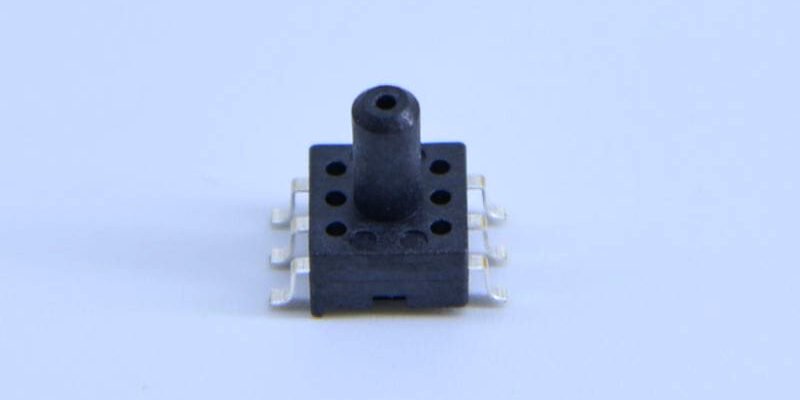
Arduino 플랫폼의 발전으로 지능형 센서 기술 애플리케이션이 구동됩니다. 이 15-700kPa I2C 압력 센서 모듈은 다음을 달성합니다. <2.5% accuracy and 1kPa resolution through integrated ASIC technology. Features epoxy resin packaging, reverse protection, 3.3V-5.5V operation for reliable digital pressure measurement solutions.

스마트폰에 내장된 MEMS 기압 센서는 미터 수준 고도에 대한 압력 변화를 측정하고 GPS 정확도를 향상시킵니다. 3D 탐색 및 실내 바닥 감지가 가능하며 가속도계 및 자이로스코프와 융합되면 실시간 수직 이동 추적을 제공합니다. 응용 분야에는 실외 및 건물 내비게이션, 상태 모니터링, 일기 예보가 포함되며 온도 보상 및 필터링을 통해 높은 정확도와 안정성이 보장됩니다.

기압 센서는 기상 예측에 필수적인 도구로, 다양한 응용 분야에 대한 정확한 날씨 예측 및 기후 분석을 가능하게 하는 실시간 대기압 측정을 제공합니다.

이 기사에서는 세 가지 유형의 압력 센서 패키징(비보상, 수동, 완전 보상)을 다루고 SOP6, DIP6 및 U6 패키지 구조를 비교합니다. 신호 교정 및 온도 보상에서 ASIC의 역할을 강조하고 센서 정확도 및 분해능을 테스트하는 도구에 대해 설명합니다.
This document outlines atmospheric pressure sensor calibration methods and wireless sensor advantages. Key calibration techniques include static, dynamic, and self-calibration procedures.
Through perfect combination of miniaturized packaging, ultra-low power design, and high-precision measurement capabilities, modern MEMS sensors provide powerful sensing capabilities for wearable devices. Resistive MEMS technology combined with intelligent temperature compensation algorithms ensures stable sensor performance under various environmental conditions.
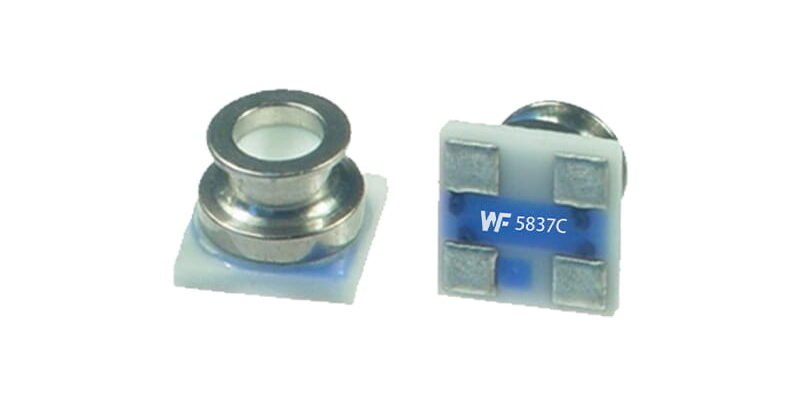
Resistive MEMS sensors feature miniaturized design, low noise characteristics, and built-in temperature compensation, capable of accurately sensing pressure applied by gases or liquids within a 7Bar measurement range. The chemical stability and thermal shock resistance of ceramic materials make them ideal alternatives to traditional silicon-based sensors, particularly suitable for medical-grade applications and pressure monitoring in harsh environments.
Absolute pressure sensors achieve vacuum-referenced measurements through sealed high-vacuum chambers, enabling complete submersion for direct depth detection. Gauge pressure sensors use atmospheric pressure as reference, requiring indirect measurement through connecting tubes. The two sensor types exhibit significant differences in waterproof design, measurement accuracy, temperature compensation, and application adaptability.

Learn how MEMS pressure-temperature sensors ensure reliable mechanical equipment performance with resistive technology, built-in temperature compensation, high accuracy measurement, rapid response, and superior environmental adaptability in demanding industrial conditions.
-e1747998312687.jpg)
MEMS air pressure sensor enables precise wind speed measurement in bicycle computers using resistive technology, featuring low power consumption, waterproof design, and temperature compensation for reliable real-time environmental data.

Studies MEMS WF162F absolute pressure sensor integration in digital tire pressure gauges. Details sensor principles, signal conditioning, ADC conversion, and temperature compensation achieving ±0.3%FS accuracy from –40 °C to 125 °C. Ensures robust, cost-efficient performance.

Core design concepts and key technologies for achieving exceptional linearity and high sensitivity in MEMS pressure sensor chips, covering circuit optimization, microstructure tuning, on-chip calibration, temperature compensation, noise suppression, and automatic gain control to deliver precise, highly adaptable performance.