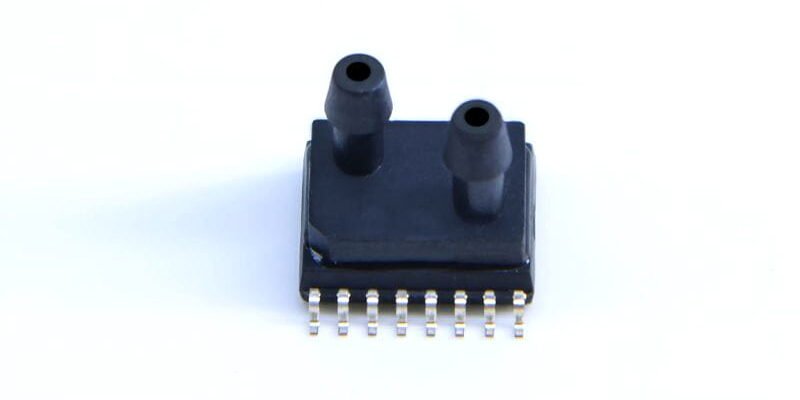
Absolute pressure vacuum sensors are critical components in modern window cleaning machines, ensuring optimal suction control, energy efficiency, and safety. These sensors measure pressure relative to a perfect vacuum, enabling precise monitoring of suction forces even under variable atmospheric conditions. This article explores their working principles, benefits over traditional systems, selection criteria, installation best practices, and real-world applications. Industry data shows that integrating these sensors can reduce water usage by up to 30% and improve cleaning efficiency by 25% in high-rise window cleaning systems.
Katalog
1. Introduction to Absolute Pressure Vacuum Sensors
Absolute pressure vacuum sensors have revolutionized automated window cleaning by providing real-time suction force monitoring. Unlike gauge pressure sensors, which measure relative to atmospheric pressure, absolute sensors reference a sealed vacuum chamber, eliminating errors caused by altitude or weather changes. This stability is critical for skyscraper cleaning systems, where consistent suction prevents detachment risks.
The global market for these sensors is projected to grow at 7.2% CAGR through 2030, driven by demand for eco-friendly cleaning solutions
2. How Absolute Pressure Sensors Work in Window Cleaning Systems
2.1 Core Components and Measurement Principles
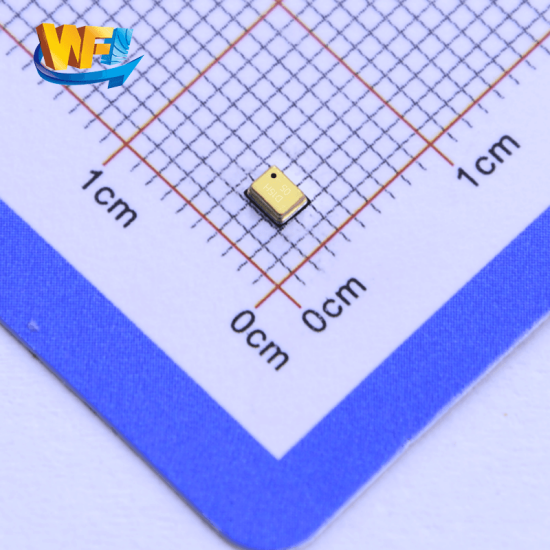
These sensors contain a MEMS piezoresistive diaphragm that deflects under pressure changes. The diaphragm’s resistance varies proportionally to the applied vacuum, converted into electrical signals (e.g., 5.4 uA or 1.7–3.6 V) for system control. For instance, WFsensors’ WF282A series achieves ±0.1% accuracy across 0–1 bar ranges, ensuring reliable performance in hydraulic window cleaners
2.2 Calibration for Environmental Stability
To maintain accuracy, sensors undergo temperature compensation from 0°C to +80°C. WF282A model retains 0.05% full-scale accuracy even after 100,000 pressure cycles, critical for daily commercial use. Calibration against NIST-traceable standards is recommended biannually.
3. Benefits of Vacuum Sensors in Window Cleaning Machines
3.1 Energy Efficiency and Water Conservation
By dynamically adjusting pump speed based on real-time vacuum data, sensors reduce energy consumption by 15–20%. The Fönsterrengöring robot Systemet visar hur digital sensor parad med smarta styrenheter minimerar vattenavfall under höghussköljning
3.2 Safety Enhancements for High-Rise Operations
Sudden suction loss can cause equipment detachment. Absolute sensors trigger instant alarms if pressure drops below 80% of the target, giving operators a 3–5 second response window. WF’s MEMS test protocols ensure 99.99% sensor reliability under vibration loads up to 10g
4. Selecting the Right Sensor for Your Machine
4.1 Pressure Range and Compatibility Considerations
Match the sensor’s maximum range to your pump’s capability. For residential units, 0–1bar sensors suffice (e.g., WF280A), while industrial systems require 0–10 bar models like the WF183DE. Confirm electrical compatibility—5.5V DC is standard for IoT-enabled devices.
4.2 Durability in Harsh Environments
Opt for IP65-rated housings if exposed to moisture. WF sensors withstand pH 1–14 chemical exposure, ideal for detergent-heavy applications
5. Installation and Maintenance Best Practices
5.1 Step-by-Step Sensor Integration Guide
- Mount the sensor within 1m of the vacuum port to minimize lag.
- Use PTFE tape on threaded connections to prevent leaks.
- Anslut till en <teckensnittsfärg =”röd”>WF282A -sensorer</font> for analog-to-digital conversion.
- Test using a handheld vacuum gauge (±2% accuracy recommended).
5.2 Troubleshooting Common Issues
Driftläsningar: Recalibrate or replace diaphragms every 2 years.
Signalbrus: Install ferrite cores on power cables.
6. Case Study: Vak-Head Attachment Success Story
According to hotel user feedback a 55% productivity increase after integrating absolute sensors into their Window cleaning machine. The sensor’s 0–1000 mbar range allowed precise control during 30-story hotel cleanings, reducing per-window water usage to 50ml
7. Future Trends in Sensor Technology
MEMS-based sensors with I²C outputs (e.g., WF100DP series) will dominate due to IoT compatibility. Researchers are developing graphene diaphragms for 0–15 bar ranges with 0.01% accuracy—set to launch commercially by 2027
Slutsats
Absolute pressure vacuum sensors are indispensable for efficient, safe window cleaning. By selecting sensors with appropriate ranges, ensuring proper installation, and leveraging advancements like MEMS technology, operators can achieve significant cost savings and environmental benefits. For personalized recommendations, consult WF Sensors guide eller kontakta WF: s ingenjörsteam
Ovanstående introduktion repar bara ytan på tillämpningarna av trycksensorteknologi. Vi kommer att fortsätta att utforska de olika typerna av sensorelement som används i olika produkter, hur de fungerar och deras fördelar och nackdelar. Om du vill ha mer information om vad som diskuteras här kan du kolla in det relaterade innehållet längre fram i den här guiden. Om du är tidspressad kan du också klicka här för att ladda ner detaljerna i denna guide Lufttryckssensor Produkt PDF -data.
För mer information om andra sensorteknologier, vänligen Besök vår Sensors -sida.