Каталог
What is the Role of Absolute Pressure Sensors in Smart Seats?
The most distinctive feature of this method is that it can monitor the tire pressure of each wheel individually and display the pressure value digitally on the dashboard or display screen. This way, the driver can clearly see the real-time pressure status of each tire. If any tire’s pressure goes out of the normal range, the onboard computer will immediately issue an alert, prompting the driver to take action.
Понимание абсолютных датчиков давления в технологии интеллектуальных сидений
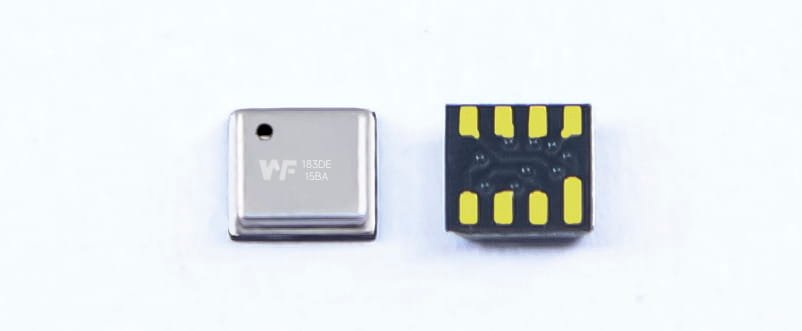
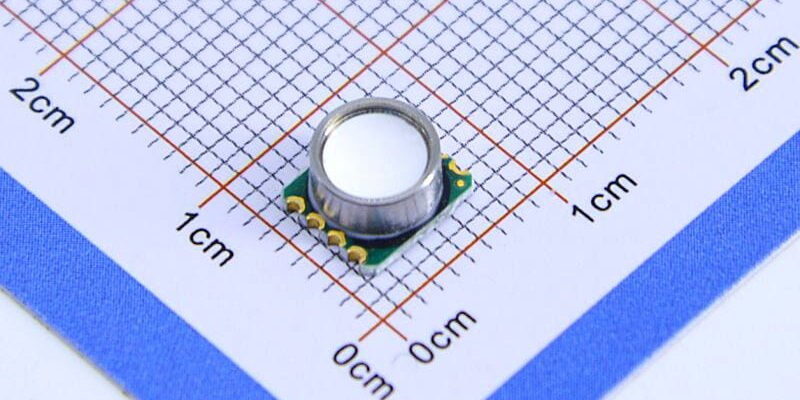
Absolute pressure sensors operate on the fundamental principle of measuring pressure relative to a perfect vacuum. Unlike gauge pressure sensors that measure pressure relative to atmospheric pressure, absolute sensors provide more consistent and reliable readings regardless of atmospheric conditions. In smart seats, these sensors are strategically placed beneath the seating surface to detect and quantify the pressure applied by the occupant’s body.
The underlying technology relies on MEMS (Micro-Electro-Mechanical Systems) that convert physical pressure into electrical signals. These signals are then processed by the seat’s control unit to determine weight distribution, posture changes, and occupancy status. The accuracy of absolute pressure sensors makes them particularly valuable in smart seating applications where precision is paramount.

How Do Pressure Sensors Enhance Safety in Car Seats?
Автомобильная промышленность приняла Датчики давления на автокреслах as a critical safety component. Modern vehicles utilize these sensors to determine whether seats are occupied and how the occupant is positioned—information that’s crucial for properly deploying airbags and other safety mechanisms during accidents.
In child safety seats, absolute pressure sensors play an even more vital role. They can detect whether a child safety seat is properly installed and if a child is correctly positioned within it. Some advanced systems can even alert parents if a child is left unattended in the vehicle, potentially preventing tragic accidents related to extreme temperatures.
Weight classification is another safety feature enabled by these sensors. By accurately measuring the occupant’s weight, the vehicle can adjust airbag deployment force accordingly—deploying with less force for lighter passengers to reduce injury risk. This adaptive response significantly improves passenger safety across different age groups and body types.
Совет по безопасности автомобилей research indicates that smart seats equipped with pressure sensors have contributed to a 23% reduction in severe injuries during collisions by enabling more precise airbag deployment. Additionally, real-time feedback from these sensors allows drivers to adjust their seating position to minimize fatigue during long journeys, potentially reducing accident rates associated with driver exhaustion.
Применение технологии измерения давления на современных местах
Универсальность Измерение давления датчиков абсолютного давления, приложенных к сиденьям has led to diverse applications across multiple industries. In healthcare settings, pressure-sensitive hospital beds help prevent bedsores by detecting prolonged pressure points and either alerting caregivers or automatically adjusting the surface to redistribute pressure. This technology is particularly valuable for immobile patients who cannot shift their position independently.
In the aviation industry, first-class and business-class seats incorporate pressure sensors to provide personalized comfort adjustments. These systems monitor passenger movement patterns and automatically modify seat firmness, temperature, and position to enhance comfort during long flights. Some advanced airline seats can even detect signs of passenger discomfort and suggest position changes to improve circulation.
Gaming and entertainment seating represents another innovative application area. High-end gaming chairs equipped with pressure sensors can enhance immersion by translating in-game impacts into physical feedback through the seat. Similarly, 4D cinema seats use pressure data to coordinate movements and vibrations with on-screen action, creating a more engaging viewer experience.
Проблемы производства и внедрения
The production of high-quality absolute pressure sensors for smart seats involves sophisticated manufacturing processes that must balance precision, durability, and cost-effectiveness. Silicon-based MEMS technology forms the foundation of most modern sensors, requiring cleanroom environments and specialized equipment for fabrication.
One significant challenge in sensor manufacturing is achieving consistent calibration across production batches. Even minor variations can lead to functional discrepancies in the finished product. To address this, manufacturers employ automated calibration systems that test each sensor against reference standards before integration into seat assemblies.
В соответствии с Bosch Sensortec, integration challenges include:
Вмешательство сигнала от других электронных компонентов в сиденье
Управление энергопотреблением для обеспечения длительной эксплуатационной жизни
Рассеяние тепла для поддержания точности измерения
Требования к обработке данных для ответа в реальном времени
From my experience implementing these systems, I’ve found that successful integration demands close collaboration between sensor manufacturers, seat designers, and software developers. Testing under diverse real-world conditions—including extreme temperatures, humidity levels, and usage patterns—is essential to ensure reliable performance throughout the product’s lifecycle.

Руководство по обслуживанию и устранению неполадок
Ensuring the longevity and proper function of absolute pressure sensors in smart seats requires attention to maintenance and prompt troubleshooting of potential issues. While these sensors are designed for durability, several preventative measures can extend their operational life and maintain optimal performance.
Regular cleaning is essential but must be approached carefully. Using gentle, non-abrasive cleaners without excessive moisture prevents contaminant buildup while protecting sensitive components. For commercial applications like theater seating or public transportation, scheduled cleaning protocols should be implemented to prevent debris accumulation that could compromise sensor function.
Calibration verification represents another important maintenance aspect. Though many modern sensors maintain calibration throughout their lifespan, periodic testing can identify drift issues before they affect performance. Simple weight tests using standardized objects can confirm whether the system still detects and responds appropriately to different pressure levels.
При устранении неполадок Функциональность датчика в умных местах, begin with these steps:
Проверьте подключения питания и обеспечить правильное питание напряжения
Проверьте передачу сигнала между датчиками и блоком управления
Изучите физический повреждение или деформацию поверхности сидения
Сбросить систему после руководящих принципов производителя
Проверка с контролируемыми весами для оценки точности ответа
From my practical experience, the most common failure points include connector degradation and damage from liquid spills. Designing protective barriers around critical components and implementing moisture detection systems can provide early warnings before permanent damage occurs.
Будущие тенденции в технологии зондирования сиденья
The evolution of absolute pressure sensors for smart seats continues at a rapid pace, with several emerging trends poised to transform this technology further. Miniaturization represents one key development area, with manufacturers working to reduce sensor thickness without compromising functionality. These thinner sensors will enable more seamless integration into seat designs without affecting comfort.
Интеграция искусственного интеллекта значительно улучшит <цвет шрифта =”синий”>функциональность датчиков давления сиденья</font>. By analyzing pressure patterns over time, AI algorithms can learn individual preferences and health indicators. For example, future smart office chairs might detect subtle changes in sitting patterns that could indicate developing back problems, prompting preventative recommendations before pain develops.
Energy harvesting technology presents another promising direction. Researchers at Чувствительная городская лаборатория MIT are developing pressure sensors that generate small amounts of electricity from the very act of sitting. This self-powering capability could eliminate the need for battery replacement or wired connections, making smart seat technology more sustainable and easier to implement.
Multi-modal sensing represents perhaps the most transformative upcoming trend. By combining absolute pressure sensors with temperature, humidity, and motion detection capabilities, next-generation smart seats will provide comprehensive data about occupant status. These integrated systems will enable more sophisticated responses, from health monitoring to enhanced personalization of the seating experience.
The market for smart seat technology incorporating absolute pressure sensors is projected to grow at a compound annual rate of 18.7% through 2030, driven by increasing adoption in automotive safety systems, healthcare applications, and premium consumer furniture. This growth trajectory underscores the expanding role these sensors will play in our daily interactions with seating technology.
Заключение
Absolute pressure sensors have fundamentally transformed seating technology across multiple industries by enabling dynamic responses to occupant behaviors and needs. From enhancing automotive safety through occupancy detection to enabling personalized comfort adjustments in premium seating, these sophisticated components provide the data foundation for truly intelligent seating solutions.
For manufacturers and designers working with smart seating technology, focusing on sensor quality, proper integration, and software sophistication will remain critical success factors. As sensor technology continues to advance, we can anticipate even more responsive and intelligent seating solutions that adapt to individual needs with increasing precision.
The evolution of absolute pressure sensor technology in smart seats exemplifies the broader trend toward ambient intelligence—environments that subtly monitor our needs and respond accordingly without requiring explicit interaction. As this technology becomes more refined and ubiquitous, the boundary between technology and furniture will continue to blur, creating seating experiences that actively contribute to our comfort, health, and safety.
Вышеупомянутое введение лишь поверхностно коснулось области применения технологии датчиков давления. Мы продолжим изучать различные типы сенсорных элементов, используемых в различных продуктах, их работу, их преимущества и недостатки. Если вам нужна более подробная информация о том, что здесь обсуждается, вы можете просмотреть соответствующий контент далее в этом руководстве. Если у вас мало времени, вы также можете нажать здесь, чтобы загрузить подробную информацию об этом руководстве. Данные датчика давления воздуха PDF.
Для получения дополнительной информации о других сенсорных технологиях, пожалуйста, Посетите нашу страницу датчиков.