Blogue

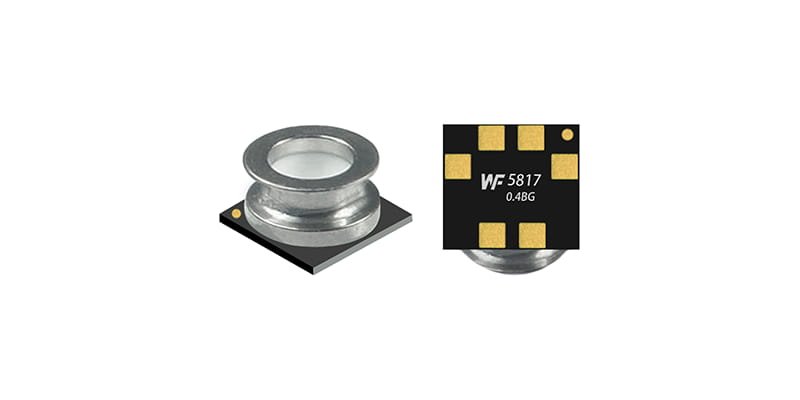
Sensor de pressão absoluta WF5805C

Quais são as vantagens do ASIC específico do sensor MEMS?

ASIC pressure sensors deliver higher accuracy, lower noise, and better power efficiency by integrating low-noise front ends, 24-bit ADCs, on-chip temperature compensation and calibration. Ideal for TPMS, wearables and industrial use.

Sensor de pressão absoluta WF5805f

Sensores de Pressão: o “Guardião da Altitude” na Navegação Veicular

MEMS pressure sensors enable 3D navigation by monitoring atmospheric pressure changes, converting planar GPS guidance into spatial positioning. These sensors measure barometric variations to calculate altitude, filling GPS vertical blind spots in urban canyons and tunnels where satellite signals fail.

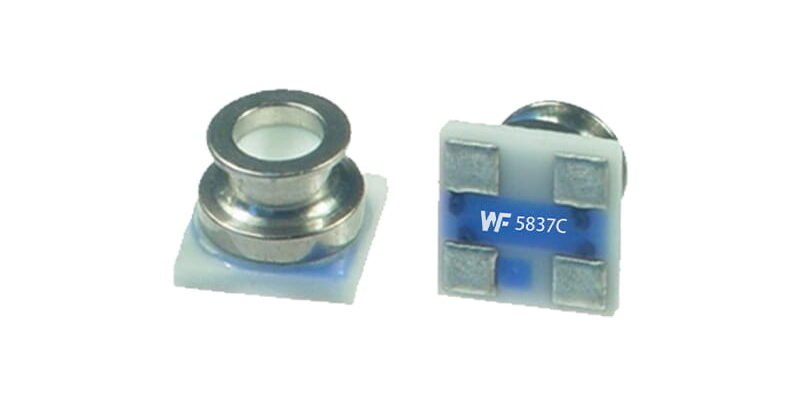
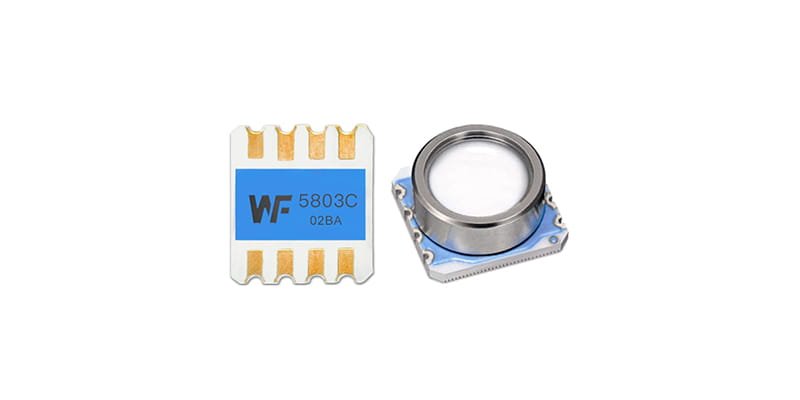
Sensor cerâmico impermeável WF5803C-02BAR

Sensores digitais de pressão atendem à detecção sensível de micromudanças de pressão em equipamentos externos

Based on practical MEMS technology experience, this article systematically explains how digital pressure sensors achieve 1cm water depth resolution through 24-bit ΔΣ ADC, simplify system integration via I2C and SPI protocols, and withstand harsh outdoor environments through waterproof structural design. These technical features make digital pressure sensors the preferred measurement component for dive computers, underwater robots, weather stations, and similar equipment.

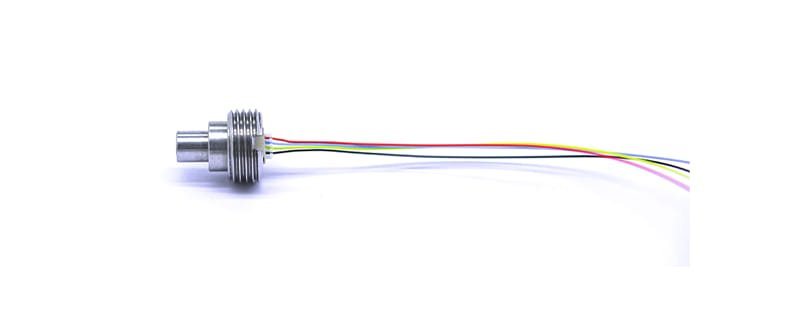
Sensores de pressão de medição de profundidade WF5803F 3BAR

Sensor de pressão, transdutor ou transmissor? Guia para engenheiros

For long runs and industrial sites, favour 4–20 mA transmitters. For remote, low-power digital nodes, favour ratio-voltage or I²C transducers. For the highest sensitivity and flexible post-processing, choose mV-output sensors and pair them with precision amplifiers and ADC.

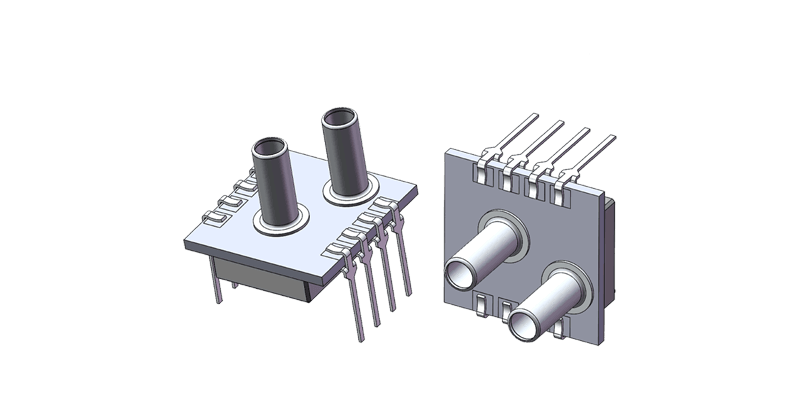
WF100S 100KPA 1BAR DIP6 Sensor de pressão

Sensores de pressão — tornando a lavagem mais inteligente e sem preocupações

Pressure sensors in smart washing machines handle precise water-level detection and overflow protection. They’re key to matching water amounts to load size and saving energy. This piece explains sensor types, performance, signal processing, calibration and temperature compensation, and why factory-calibrated and amplified calibrated units simplify integration.

Role até o topo

Contate-nos