Blog

Your blog category

Wf5808 5bar mahana a me nā hohonu hohonu

Hoʻohālikelike i ka wai pale pale o ke koʻikoʻi ma luna o nā wai hohonu hohonu

The compact waterproof pressure sensor performs well in deep water environments with its exquisite design and excellent performance. Whether in applications such as ocean exploration, diving safety or industrial monitoring, it can provide high reliability and accurate data. Its low power consumption and high precision make the product have significant advantages in many fields and bring real technical support to users.

Hoʻohālikelike i ka wai pale pale o ke koʻikoʻi ma luna o nā wai hohonu hohonu Read Post »

Wf5803c ikaika sensor

What are the Advantages of Ceramic Pressure Sensors?

Ceramic pressure sensors offer advantages such as high-temperature resistance, corrosion resistance, high stability, and long service life. Their working principle is based on the piezoelectric effect of ceramic materials; when external pressure is applied, the ceramic undergoes slight deformation, producing a weak electrical signal. This signal is then amplified and converted into precise numerical output. Their high accuracy and reliability ensure stable performance even under harsh conditions.

What are the Advantages of Ceramic Pressure Sensors? Read Post »

WF282A Absolute Pressure Sensor

Absolute Pressure Vacuum Sensors in Window Cleaning Machines: Comprehensive Guide

Absolute pressure vacuum sensors are critical components in modern window cleaning machines, ensuring optimal suction control, energy efficiency, and safety. These sensors measure pressure relative to a perfect vacuum, enabling precise monitoring of suction forces even under variable atmospheric conditions.

Absolute Pressure Vacuum Sensors in Window Cleaning Machines: Comprehensive Guide Read Post »

Understanding Pressure Sensors: Piezoelectric, Piezoresistive, and MEMS Innovations

Piezoresistive sensors provide continuous, highly repeatable readings and are better suited for applications where static measurements are important. Piezoelectric sensors excel in dynamic environments where rapid signal changes need to be captured. Both sensor types convert mechanical forces into electrical signals.

Understanding Pressure Sensors: Piezoelectric, Piezoresistive, and MEMS Innovations Read Post »

WF5837C Pressure Sensors 2Bar

Use and Function of MEMS Piezoresistive Pressure Sensors|Comprehensive Guide

This article provides a comprehensive exploration of MEMS pressure sensors, with a special focus on piezoresistive sensors. It details the working principles, manufacturing processes, temperature compensation techniques, and practical applications across various sectors such as automotive, healthcare, consumer electronics, industrial automation, and outdoor activities. Additionally, the article clarifies the differences between piezoresistive and piezoelectric sensors and offers actionable advice on sensor selection, installation, calibration, and system integration, all backed by market trends and future insights for authoritative guidance.

Use and Function of MEMS Piezoresistive Pressure Sensors|Comprehensive Guide Read Post »

Wf5837c kaomi sensor

Mems ikaika a me keʻano o nā sensares no nā wahi kūpono

Sensors play a crucial role across industries, automotive systems, and portable devices. This article provides a practical analysis of MEMS pressure and temperature sensors in corrosive environments. It reviews the sensor’s core structure, operating principles, protective packaging, and testing processes, offering engineers and decision-makers clear, actionable insights.

Mems ikaika a me keʻano o nā sensares no nā wahi kūpono Read Post »

WF62668d Press Sensor

The Importance of Pressure Sensor Stability

This article details the importance of air pressure sensor stability and its application in industry. The article introduces how to ensure safe and efficient operation of sensors and analyzes the key factors that affect their stability, such as materials, design, sealing and temperature compensation. Through actual case comparison, the article provides practical methods for measuring and maintaining stability, such as regular calibration, use of data loggers and anti-electromagnetic interference measures, to help engineers improve system reliability.

The Importance of Pressure Sensor Stability Read Post »

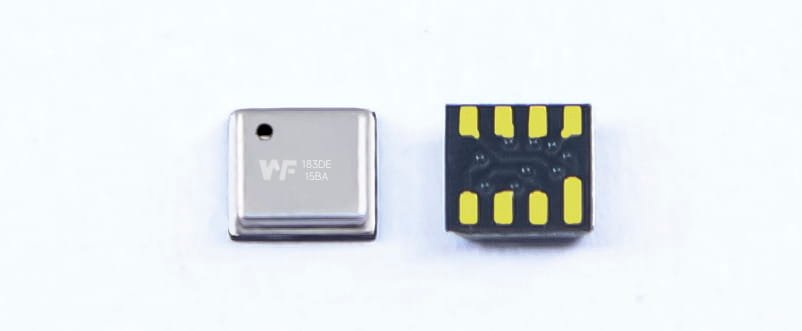
Wf183de 15bar sinor sentor sensor

Pehea e hoʻomaikaʻi ai nā mea ʻike hoʻonui i ka hoʻonui ʻana i ka pololei

An inflation pump sensor is a device used to monitor critical parameters such as pressure, flow, and temperature in real time. Once these data are quickly transmitted to the control system, it can adjust the inflation rate and duration accordingly to ensure each inflation process strictly adheres to preset standards.

Pehea e hoʻomaikaʻi ai nā mea ʻike hoʻonui i ka hoʻonui ʻana i ka pololei Read Post »

Wf4525ʻokoʻa paʻakikī paʻakikī

Hoʻoholo Kūkākūkā Hohonu mai nā Kūlana ʻO ka Pressure Sensor

ʻO ka hoʻonā ʻana o ke kaomi ʻana e pili ana i ka ʻokoʻa liʻiliʻi liʻiliʻi i hiki i kahi mea ʻike ke ʻike a ana pono. Hōʻike ia i ke kiʻekiʻe o ka kikoʻī a i ʻole ka granularity i nā ana kaomi i hiki i ka sensor ke hāʻawi. ʻO ka mea nui, wehewehe ka hoʻonā i ka piʻi liʻiliʻi a i ʻole ka nui o ka pae i hiki ke ʻike ʻia ma waena o nā pae ʻelua.

Hoʻoholo Kūkākūkā Hohonu mai nā Kūlana ʻO ka Pressure Sensor Read Post »

ʻO WF280A-2bar Air Rains Sensor

ʻO keʻano o ke koiʻana i ka loiloi o ka hoʻokele kaʻa

Absolute pressure sensors can accurately measure pressure changes on the seat surface, monitor the user’s weight distribution and sitting posture in real time, and automatically adjust the seat to provide ergonomic support. They can also identify the passenger seat status in the car seat, assist in adjusting the safety system (such as the deployment of airbags), and increase passenger safety.

ʻO keʻano o ke koiʻana i ka loiloi o ka hoʻokele kaʻa Read Post »

Wf5805c kaomi sensor

Hāʻawi a me ka hoʻohana ʻana i nā ʻenekona MEMS i ka ʻenehana palekana kaiapuni

In environmental protection, the advantages of MEMS sensors are reflected in their ability to collect environmental data in real time and continuously, and provide accurate measurement results, so as to provide a scientific basis for environmental protection work. For example, air quality monitoring, gas emission detection, and real-time monitoring of water quality are all areas where MEMS sensors are widely used. Their miniaturization and low power consumption characteristics enable these sensors to be embedded in various devices and promote the development of intelligent environmental protection systems.

Hāʻawi a me ka hoʻohana ʻana i nā ʻenekona MEMS i ka ʻenehana palekana kaiapuni Read Post »

Holo i luna

Kāhea iā mā˚ou