Blogi

Your blog category

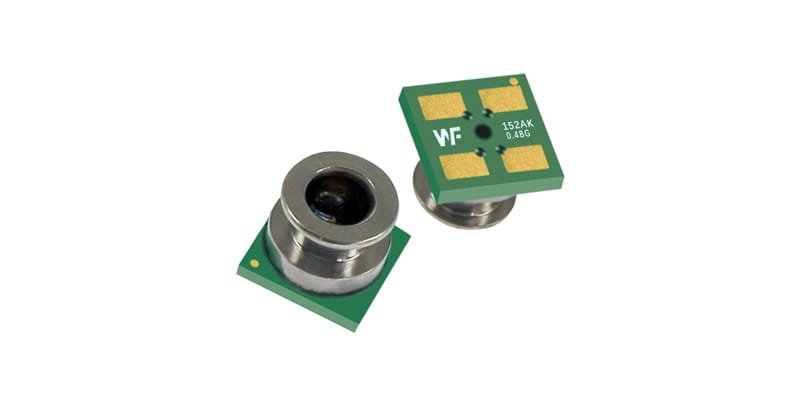
WF162L 11BAR paineanturit

Kuinka paineanturit valvovat rengaspainetta ilmapumpun täytön aikana

Air pump pressure sensing ensures safe, accurate tire inflation. High-resolution analog modules (small SMD, waterproof gel) offer fast response, low drift and reliable integration with pump controllers. Proper placement, signal conditioning and calibration deliver stable, repeatable tyre-pressure control for portable and vehicle pumps.

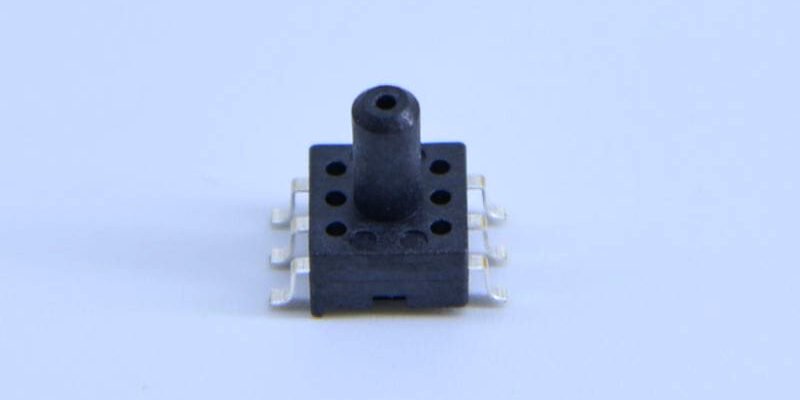
WF162F 11BAR Absoluuttinen paineanturi

Miten painemittarin anturin alue mitataan ja määritetään?

pressure gauge sensor range is set by device structure, measurement methods, calibration standards and engineering trade-offs. For MEMS parts , confirm range with static/dynamic tests, multi-point calibration, temperature checks and long-term drift analysis to ensure accuracy and safe overload margins.

WF5837C -paineanturi

[MEMS-laitteet] Puolijohdekaasuanturien toimintaperiaateanalyysi

Semiconductor gas sensors are MEMS devices: metal-oxide layers change conductivity when gas reacts at elevated temps, read by resistor or FET circuits. Design hinges on material choice, micro-heater control, packaging and signal conditioning to balance sensitivity, selectivity and stability for real-world monitoring.

WF5808 5BAR -lämpötila- ja syvyysanturit

Kuinka barometrinen paineanturi tarkkailee korkeutta?

Measure altitude with a high-sensitivity MEMS barometer: explains pressure–altitude relation, digital barometer selection, error sources and engineering strategies to improve accuracy for drones, hiking and floor detection.

WF200DP digitaalinen paine-eroanturi

SMD-paineanturien merkitys älykodeissa

SMD pressure sensors convert pressure signals into reliable digital data, forming a vital sensing layer for home automation and protection. Choose sensors with the right range, temperature compensation, sampling rate and digital output (I²C/SPI) and design for stable long-term operation.

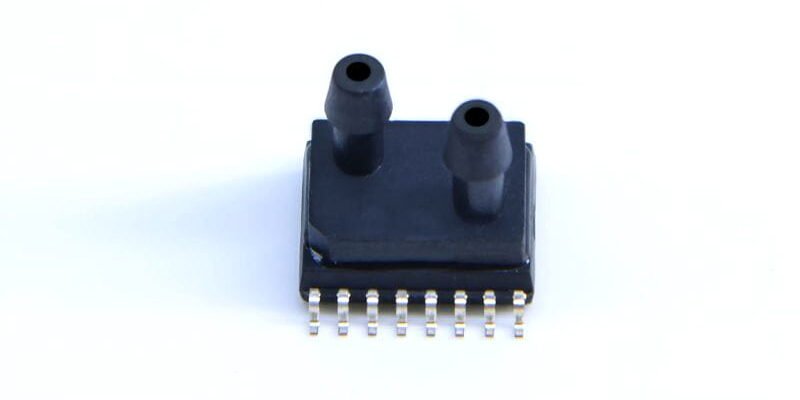
WF100E 40KPA -anturit

Miksi lämpötilakompensaatiolla on merkitystä paineantureille?

Temperature affects elastic modulus, resistivity and other properties of the sensor element, producing two primary issues: zero-point (offset) drift and changes in sensitivity. Together these effects undermine measurement accuracy and linearity, accumulate over time, and limit the environments where a sensor can be trusted.

Vieritä ylös

Ota yhteyttä