- Oleh WFsensors
Penderia gelang tangan pintar memainkan peranan penting dalam pengurusan kesihatan peribadi. Penderia tekanan gelang tangan bersama-sama bacaan kadar jantung optik membentuk sistem penderiaan fisiologi pelbagai dimensi.
Gelang tangan pintar kini menjadi pilihan untuk penjejakan kesihatan yang berterusan, dengan beberapa elemen penderiaan di dalamnya menangkap isyarat yang berbeza. Untuk mendapatkan bacaan degupan jantung yang stabil dan boleh disahkan, anda perlu memadankan ciri fizikal penderia dengan keseluruhan rantai isyarat. Di sini kita membincangkan skim penderiaan wajar dan penentukuran kejuruteraan supaya data yang dikumpul semasa pemakaian harian berguna untuk diagnosis — membantu pengguna memantau beban jantung, keamatan aktiviti dan pemulihan tidur. Kami akan bergerak melalui logik kejuruteraan sistem: daripada komponen dan algoritma kepada pelancaran produk.
Katalog
1. Prinsip teknologi dan komponen penderia gelang tangan
Data kadar jantung dalam gelang tangan terutamanya berasal daripada pengukuran permukaan kulit optik, digabungkan dengan penderia gerakan. Modul sensor yang direka dengan baik memerlukan pertimbangan yang teliti terhadap laluan cahaya, pemacu sumber cahaya, pengesan foto dan lekap mekanikal yang menahan segala-galanya pada kulit — semuanya untuk memastikan kualiti isyarat stabil merentas pencahayaan dan keadaan kulit yang berbeza. Untuk mengurangkan artifak gerakan, sistem sering mengambil sampel rujukan pendek di tepi pemerolehan dan kemudian melakukan penjajaran siri masa dan semakan hingar dalam perisian. Dari sudut kejuruteraan, pilihan penderia, pembungkusan dan antara muka mekanikal secara langsung mempengaruhi keteguhan isyarat dan hanyut jangka panjang. Mengkaji tabiat pemakaian pengguna memberikan input kuantitatif untuk bentuk tali dan reka bentuk kawasan sesentuh, yang membantu menjadikan ukuran lebih dipercayai dalam penggunaan harian.
Untuk mengukur perbezaan prestasi antara reka bentuk yang berbeza.
Ketepatan pengukuran banyak dipengaruhi oleh tempat dan cara jalur dipakai dan oleh keadaan kulit. Oleh itu, reka bentuk produk harus berulang pada bahan tali, geometri sentuhan dan susun atur penderia supaya aktiviti biasa — berjalan pantas, berlari atau melakukan kerja rumah — masih menghasilkan bentuk gelombang fisiologi yang berterusan. Perkakasan mesti diganding rapat dengan rantai isyarat untuk mengelakkan kelonggaran mekanikal atau penyumbatan optik yang menyebabkan keciciran data.
2. Penderia tekanan gelang tangan dan kerjasama dengan penderia lain
Selain penderiaan optik, penderia tekanan terbenam kecil menambah konteks persekitaran atau fisiologi tambahan. Peranti tekanan mutlak MEMS yang padat boleh mengukur perubahan tekanan udara tempatan untuk anggaran ketinggian atau memberikan isyarat tambahan yang berkaitan dengan pergerakan dada kecil yang didorong oleh pernafasan; sesetengah pakej menyokong gandingan pada kulit atau ruang kecil untuk menangkap turun naik tekanan tempatan. Menghubungkaitkan bacaan tekanan ini dengan isyarat kadar jantung boleh meningkatkan tafsiran anomali dan membantu mendiskriminasi keadaan aktiviti. Sebagai pengilang, anda perlu mengimbangi pembungkusan, kepekaan, masa tindak balas dan kestabilan jangka panjang, dan mengekalkan kawalan proses yang ketat ke atas tapak pakej dan susun atur pad untuk memastikan kebolehpercayaan dalam keadaan boleh pakai.
Sesuai digunakan sebagai sensor gelang pintar
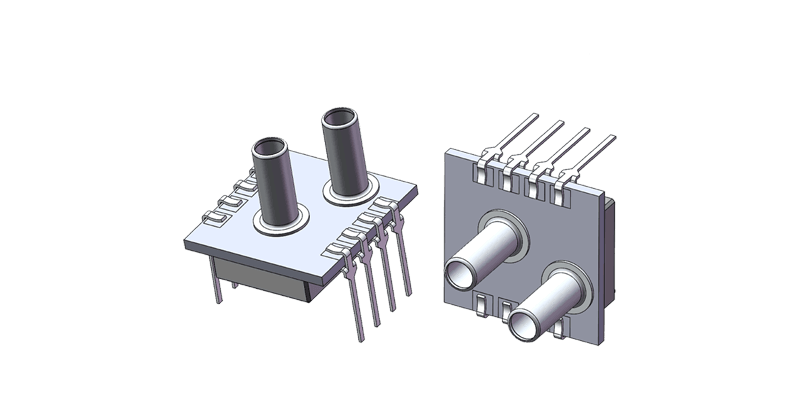
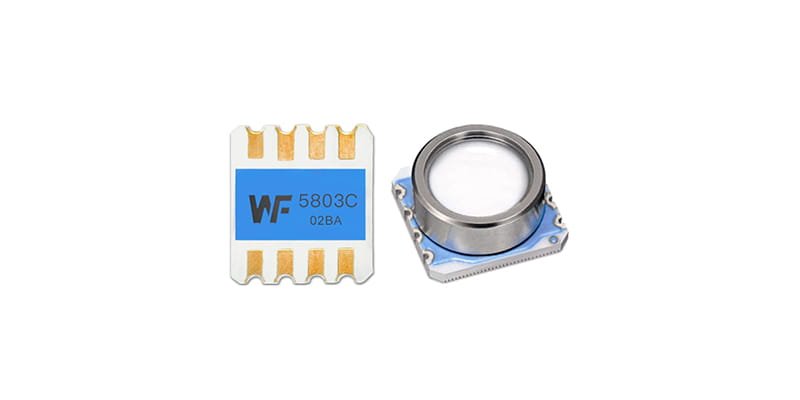
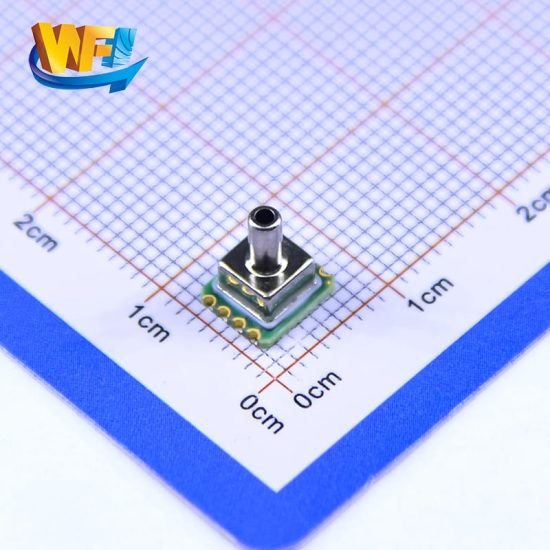
Imej yang dimuat naik menunjukkan sensor kecil dengan struktur plumbum logam bertanda "WF"; ia mempunyai pakej padat, port tekanan terdedah dan berbilang pad pateri — sesuai untuk barang boleh pakai terhad ruang. Peranti sedemikian biasanya menawarkan drift rendah, lineariti yang baik dan pembungkusan padat, menjadikannya sesuai untuk penderia jam tangan pintar, penderia jalur kecergasan dan penderia pakaian pintar. Dalam amalan kejuruteraan, nilai antara muka elektrik, rintangan lembapan pakej dan kaedah penetapan mekanikal untuk memastikan ukuran berulang selepas haus yang berpanjangan.
3. Strategi kejuruteraan untuk meningkatkan ketepatan pemantauan kadar jantung
Mengubah peranti daripada "ia boleh mengukur" kepada "ia mengukur dengan tepat" memerlukan kerja pada kedua-dua perkakasan dan perisian. Di bahagian perkakasan, pilih penderia hingar rendah dan pemacu sumber cahaya yang stabil, dan optimumkan geometri sentuhan dan rawatan permukaan untuk mengurangkan serakan dan gelinciran cahaya. Dari segi perisian, bina saluran paip penilaian kualiti data hujung ke hujung supaya setiap langkah — pensampelan, penapisan, pengesanan anomali dan eksport metrik akhir — boleh dikesan. Menawarkan parameter penyesuaian untuk kumpulan pengguna yang berbeza (sedentari vs pengguna aktiviti tinggi) mengurangkan positif palsu dengan ketara. Kejuruteraan sistem juga harus merancang ujian pengesahan: jalankan ujian berbilang senario untuk mengumpulkan data prestasi garis dasar, yang membantu dengan tuntutan dan pematuhan produk kemudian.
Penggunaan kuasa dan ketepatan
Mencari pertukaran yang betul antara penggunaan kuasa dan ketepatan adalah penting. Barang boleh pakai berjalan pada belanjawan tenaga yang ketat, jadi mod pengendalian perkakasan dan dasar muat naik data mesti sejajar dengan strategi pengurusan kuasa. Menggunakan tetingkap pensampelan yang munasabah dan tangkapan yang dicetuskan oleh tepi membolehkan anda menyimpan maklumat penting sambil menjimatkan hayat bateri, memberikan pengguna lebih lama antara pengecasan. Pasukan kejuruteraan harus menetapkan metrik kuasa sasaran lebih awal dan memperhalusi pemacu sensor dan logik perisian tegar melalui ujian berulang.
4. Pemprosesan data, penentukuran dan maklum balas masa nyata
Output kadar jantung berkualiti tinggi bergantung pada rutin penentukuran pepejal dan pelaporan ralat yang telus. Peranti harus mendapat penentukuran awal semasa pembuatan dan kemudian menggunakan penentukuran sendiri tempatan untuk mengimbangi peralihan suhu dan hanyut jangka panjang. Untuk maklum balas masa nyata, gesaan yang tepat pada masanya dan jelas membantu pemakai melaraskan peletakan atau rehat, yang seterusnya menambah baik data kemudian. Dari sudut pemerhatian kejuruteraan, sediakan log sisi peranti, penjajaran cap waktu hujung ke hujung dan papan pemuka kualiti sisi awan supaya pembuat keputusan teknikal boleh mengenal pasti isu dan mengulangi dengan cepat.
Ujian makmal dan ujian alam sekitar dunia sebenar
Algoritma dan pengesahan peranti harus merangkumi kedua-dua makmal dan ujian dunia sebenar. Makmal membolehkan anda mengawal pembolehubah dan menetapkan penanda aras, manakala ujian dunia sebenar mendedahkan kesan memakai postur, peluh dan oklusi pakaian. Sebelum pelancaran, cipta gerbang kualiti termasuk pengagihan statistik metrik prestasi utama dan pelan pengendalian anomali, menyokong sebarang tuntutan awam mengenai ketepatan dan kestabilan pengukuran.
5. Nasihat penggunaan dan pertimbangan pengeluaran
Beralih daripada kejuruteraan kepada pengeluaran besar-besaran bermakna menangani kestabilan bekalan komponen, konsistensi pembungkusan, keteguhan alam sekitar dan penyelenggaraan perisian. Jika pemantauan kadar jantung ialah titik jualan utama, libatkan rantaian bekalan anda lebih awal dengan spesifikasi pakej dan pelan ujian kebolehpercayaan. Pengilang mesti mengurus kebolehubahan kelompok ke kelompok dalam penderia MEMS boleh pakai dan menyediakan prosedur pemeriksaan masuk yang mantap. Pengeluaran juga memerlukan perhatian kepada pengalaman pengguna dan pematuhan kawal selia supaya peranti boleh diluluskan merentas kawasan kawal selia yang berbeza tanpa gangguan.
Proses peningkatan kualiti produk
Jaminan kualiti untuk pengeluaran meliputi bukan sahaja spesifikasi bahagian tetapi juga kawalan proses untuk pematerian, pengedap dan ujian pantas. Lekapan ujian yang baik dan isu hasil pemotongan automasi semasa peningkatan. Pasukan kejuruteraan harus menyediakan matriks ujian komprehensif yang meliputi suhu, kelembapan, kejutan mekanikal dan hanyut jangka panjang, memastikan unit yang dihasilkan secara besar-besaran memenuhi prestasi yang direka sebelum penghantaran.
Kesimpulan
Mengenai persoalan bagaimana untuk mencapai pemantauan degupan jantung yang lebih tepat dalam penderia gelang tangan pintar, artikel ini menawarkan set pengesyoran kejuruteraan yang sistematik: pemilihan komponen, pembungkusan dan reka bentuk mekanikal, kuasa dan strategi pensampelan, pemprosesan data dan penentukuran, sehinggalah kepada kebimbangan pengeluaran besar-besaran. Gabungan gabungan penderia dan aliran kerja pengesahan yang betul membolehkan peranti menyampaikan data kadar denyutan jantung yang boleh dipercayai dalam pemakaian harian, meningkatkan kecekapan pengurusan kesihatan.
Pengenalan di atas hanya menggaru permukaan aplikasi teknologi sensor tekanan. Kami akan terus meneroka pelbagai jenis elemen sensor yang digunakan dalam pelbagai produk, bagaimana mereka bekerja, dan kelebihan dan kekurangan mereka. Jika anda ingin lebih terperinci mengenai apa yang dibincangkan di sini, anda boleh menyemak kandungan yang berkaitan kemudian dalam panduan ini. Sekiranya anda ditekan untuk masa, anda juga boleh klik di sini untuk memuat turun butiran panduan ini Data PDF Produk Sensor Tekanan Udara.
Untuk maklumat lanjut mengenai teknologi sensor lain, sila Lawati Halaman Sensor kami.