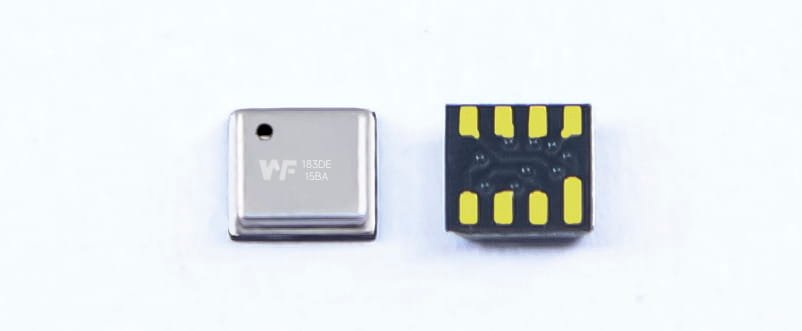
센서 기술의 급속한 발전은 소형 방수 압력 센서가 심해 응용 분야의 중요한 구성 요소로 떠오르면서 수중 모니터링 시스템에 혁명을 일으켰습니다. 이 센서는 견고한 엔지니어링과 정밀 측정 기능을 결합하여 기존 센서가 실패하는 환경에서 안정적인 데이터 수집을 가능하게 합니다. 산업용 해양 작업부터 소비자급 수중 드론에 이르기까지 최대 500psi의 극한 압력을 견디는 동시에 정확성을 유지하는 능력으로 인해 드론은 필수 불가결해졌습니다. 이 보고서에서는 사례 연구와 기술 데이터를 바탕으로 이러한 센서의 구조적 혁신, 작동 원리 및 다양한 응용 분야를 살펴봅니다. 고장 모드, 비용 효율적인 솔루션 및 MEMS와 같은 신기술을 분석함으로써 이 검토는 까다로운 수중 환경에서 방수 압력 센서를 선택, 배포 및 유지 관리하기 위한 실행 가능한 통찰력을 제공합니다.
목록
방수 압력 센서의 구조 및 작동 원리
구성 요소 및 재료 혁신
최신 방수 압력 센서는 고급 소재와 밀봉 설계를 사용하여 물의 침투를 방지합니다. 일반적으로 MEMS(Micro-Electro-Mechanical Systems) 다이어프램인 감지 요소는 압력 변화를 전기 신호로 변환합니다. 이 다이어프램은 내부식성과 기계적 안정성을 위해 선택된 재료인 실리콘 또는 스테인리스 스틸로 제작되는 경우가 많습니다. 다이어프램 주변에는 젤로 채워진 캐비티 또는 밀폐형 밀봉재(예: 수중 사용 등급의 에폭시 수지)가 내부 회로를 습기로부터 보호합니다. 100미터를 초과하는 심해 응용 분야의 경우 제조업체는 IP68 또는 IP69K 등급의 티타늄 하우징을 사용하여 정수압 및 해수 부식에 대한 장기적인 내구성을 보장합니다.
심해의 작동 메커니즘
핵심 기능은 압저항 또는 용량성 감지 원리에 따라 달라집니다. 압저항 모델에서 다이어프램에 결합된 스트레인 게이지는 적용된 압력에 비례하여 저항을 변경합니다. 용량성 설계는 수압에 따라 간격이 변경되면서 두 플레이트 사이의 변위를 측정합니다. 고해상도 아날로그-디지털 변환기(WF5808F 5Bar 모듈에 표시된 24비트 ADC)는 이러한 아날로그 신호를 디지털 출력으로 변환하여 수심 1cm보다 미세한 해상도를 달성합니다. 예를 들어, 100미터 등급의 센서는 전체 규모의 0.01%만큼 미묘한 깊이 변화를 감지할 수 있습니다. 이는 수중 파이프라인 모니터링 및 기타 응용 분야에 매우 중요합니다.
신호 보상 및 교정
물의 밀도와 센서 재료 특성은 열 조건에 따라 달라지므로 온도 변동은 심각한 문제를 야기합니다. 고급 장치는 온도 센서와 보상 알고리즘을 통합하여 이러한 효과를 무효화합니다. 참조 기사에서는 온도 깊이 데이터를 실시간으로 처리하여 절대 오차를 ±1~2°C로 줄이는 WF5808F 센서를 강조합니다. 교정 프로토콜에는 압력 및 온도 범위 전반에 걸쳐 다지점 테스트가 포함되는 경우가 많아 센서의 작동 수명 동안 정확성을 보장합니다. 대기압을 기준으로 사용하는 등의 현장 재보정 기술은 원격 배포의 신뢰성을 더욱 향상시킵니다.

현대 적용에서 방수 압력 센서의 필요성
산업용 해양 운영
해양 석유 시추 시 방수 압력 센서는 유정 압력을 모니터링하고 분출 방지 장치의 누출을 감지합니다. 500미터 깊이에서의 파열은 725psi를 초과하므로 파열 압력이 1,000psi를 초과하는 센서가 필요합니다. 이러한 센서가 장착된 수중 펌프는 유량을 동적으로 조정하여 캐비테이션 및 장비 고장을 방지합니다. M12 커넥터의 통합으로 진동이 심한 환경에서도 안전한 전기 연결이 보장되며, 이는 다른 주요 제조업체에서 채택한 표준입니다.
소비자 전자 및 웨어러블
방수 기압 센서는 스포츠 시계에 널리 사용되어 다이빙과 수영 중에 고도를 추적할 수 있습니다. 예를 들어 WF280 시리즈는 MEMS 기반 센서를 사용하여 최대 10미터까지 깊이를 측정하고 Bluetooth를 통해 데이터를 모바일 앱에 동기화합니다. 이 장치는 전류 소모가 5.4μA 미만인 저전력 설계를 활용하여 장시간 수중 활동 중에 배터리 수명을 연장합니다. 소비자 요구로 인해 소형화가 주도되었으며, 이제 최첨단 웨어러블 기기에서 센서가 5mm3 미만을 차지하게 되었습니다.
환경 모니터링 시스템
양식장에서는 물기둥 층화, 용존 산소 수준 및 가두리 그물 무결성을 추적하기 위해 네트워크로 연결된 센서를 배포합니다. 연어 양식장의 센서 하나가 오작동하면 확인되지 않은 녹조 발생이나 장비 고장으로 인해 백만 달러 이상의 손실이 발생할 수 있습니다. 압력 센서를 온도 및 염도 프로브와 결합함으로써 최신 시스템은 예측 분석을 위한 다차원 데이터를 제공합니다. 참고 기사에서는 이러한 통합으로 단일 매개변수 시스템에 비해 모니터링 오류가 40% 감소한다고 언급합니다.
물이 압력 센서를 손상시킬 수 있습니까? 위험 및 솔루션 이해
수중 환경의 일반적인 실패 모드
방수 등급에도 불구하고 씰 성능 저하, 화학적 부식 또는 기계적 피로로 인해 센서가 작동하지 않습니다. 폴리우레탄 씰은 비용 효율적이지만 UV 광선이나 탄화수소에 노출되면 품질이 저하되어 모세관 물이 침투하게 됩니다. 고장난 IP67 센서에 대한 2024년 연구에 따르면 고장의 68%는 18개월 동안 바닷물에 노출된 후 밀봉재 고장으로 인해 발생했습니다. 이종 금속(예: 알루미늄 하우징 및 스테인리스강 나사) 간의 갈바닉 부식으로 인해 기수 환경에서 고장이 가속화됩니다.
사례 연구: 해상 풍력 터빈의 센서 오류
북해 풍력 발전소에서는 터빈 기초 무결성을 모니터링하는 압력 센서 중 고장률이 22%라고 보고했습니다. 사후 분석에 따르면 센서 포트에 생물막이 축적되어 압력 측정 드리프트가 발생한 것으로 나타났습니다. 월별 생물 오손 제거 프로토콜을 구현하고 구리-니켈 하우징으로 전환하여 1년 이내에 고장률을 3%로 줄였습니다. 이는 열악한 환경에서 재료 선택 및 유지 관리 일정의 중요성을 강조합니다.
완화 전략 및 모범 사례
센서 수명을 연장하려면:
재료 호환성: 염소 처리된 물에서는 티타늄 또는 하스텔로이 하우징을 사용하십시오.
예방 유지 보수: 비연마성, pH 중성 용액을 사용하여 센서 포트를 분기별로 청소합니다.
과압 보호: 압력 스파이크가 있는 시스템에는 완충 장치 또는 맥동 완충 장치를 설치하십시오.
컨 포멀 코팅: 습한 환경에서 PCBA에 실리콘 기반 코팅을 적용합니다.
다른 제조업체와 마찬가지로 매년 재보정을 받는 센서에 대해 평생 보증을 제공하여 산업 사용자에게 비용 예측 가능성을 제공합니다.
수중 압력 감지를위한 비용 효율적인 솔루션 평가
예산 친화적 인 상업 모델
시장에서는 중요하지 않은 애플리케이션에 대해 200달러 미만의 실행 가능한 옵션을 제공합니다.
| 모델 | 범위(psi) | 정확성 | 깊이 등급 | 가격 |
|---|---|---|---|---|
| TE 연결 MS5525 | 0–30 | ± 1.5% | 100m | $85 |
| Honeywell MPR 시리즈 | 0–100 | ± 2% | 50m | $120 |
| DFROBOT SEN0257 | 0–145 | ± 1% | 200m | $180 |
$500 이상의 산업용 센서에 비해 ±0.1%의 정확도는 부족하지만 교육 프로젝트나 프로토타입 테스트에는 충분합니다. DFRobot 모델은 I2C 인터페이스와 Arduino 호환성이 뛰어나 제조업체 커뮤니티에서 인기를 얻고 있습니다.
방수 감지의 미래를 형성하는 첨단 기술
가혹한 환경을위한 MEMS 혁신
차세대 MEMS 센서에는 다이아몬드 유사 탄소(DLC) 코팅이 통합되어 부유 퇴적물로 인한 마모를 방지합니다. 도쿄 대학 연구원들은 최근 1,000미터 깊이에서 0.01% 정확도를 달성할 수 있는 그래핀 기반 MEMS 다이어프램을 시연했습니다. 이러한 발전으로 인해 더 작은 폼 팩터가 가능해졌습니다. STMicroelectronics에서 개발한 2.5mm² 센서는 100Hz에서 샘플링하는 동안 단 3μW만 소비합니다.
표준화 및 규제 동향
IEC 60529:2024 업데이트에는 고압 워터제트 저항(80°C에서 14MPa)과 장기간의 침수 기능을 결합한 IPX9K+ 등급이 도입되었습니다. 이러한 표준 준수는 2026년까지 EU 해역의 해양 장비에 의무화되어 이중 IP69K/IEC 60529 인증을 갖춘 센서 채택을 촉진합니다.
결론
소형 방수 압력 센서는 재료 과학, 미세 가공 및 데이터 분석의 융합을 나타내며 수중 환경에서 전례 없는 모니터링 기능을 제공합니다. 생물 부착 및 밀봉 성능 저하와 같은 문제가 지속되는 동안 MEMS 기술과 스마트 진단의 발전으로 작동 수명과 정확성이 연장되고 있습니다. 엔지니어와 연구원의 경우 검증된 IP 등급, 온도 보상 및 산업 인증을 갖춘 센서의 우선 순위를 지정하면 안정적인 성능이 보장됩니다. IoT 네트워크가 바다 밑으로 확장됨에 따라 이러한 센서는 지속 가능한 해양 탐사, 양식 및 기후 모니터링에서 중추적인 역할을 할 것입니다. 향후 개발에서는 원격 배포 시 유지 관리 필요성을 더욱 줄이기 위해 자가 치유 재료와 에너지 수확 설계에 중점을 두어야 합니다.
위의 소개는 압력 센서 기술 적용의 표면적인 부분에 불과합니다. 우리는 다양한 제품에 사용되는 다양한 유형의 센서 요소, 작동 방식, 장점과 단점을 계속해서 탐구할 것입니다. 여기에서 논의된 내용에 대해 더 자세히 알아보려면 이 가이드 뒷부분의 관련 콘텐츠를 확인하세요. 시간이 촉박한 경우 여기를 클릭하여 이 가이드의 세부정보를 다운로드할 수도 있습니다. 공기 압력 센서 제품 PDF 데이터.
다른 센서 기술에 대한 자세한 내용은 다음을 참조하십시오. 센서 페이지를 방문하십시오.