Blog

Your blog category

WF162A 15BARTH

Hiki i nā mea ʻike kaomi ke hōʻemi i nā pilikia i nā mea hoʻokiʻekiʻe kahua

Pressure sensors give stage lifts a second — sometimes first — line of defence by monitoring load and pressure in real time. This piece covers sensor selection, control integration, redundant design, reliability checks and maintenance, showing how analog absolute pressure sensors along with pressure monitoring sensors and tension sensors can work together to noticeably cut overloads, mechanical faults and false operations.

Wf5837c kaomi sensor

ʻAʻole ʻike ʻia nā mea ʻike MEMS akā aia ma nā wahi āpau

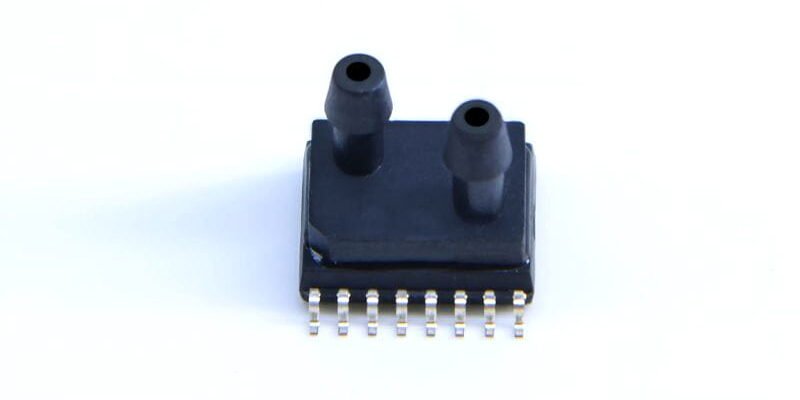
The article follows five core sections that progressively reveal the fabrication basics of MEMS, sensing principles, packaging and integration challenges, validation and quality-control essentials, and finishes with practical recommendations. The content references observations of the sensor pictured and focuses on being clear, practical and actionable.

Wf3050d digital kalima sensor

Kikohoʻe ea puʻe kikohoʻe mea e pono hana no ka moe Apnea Mīkini

Sensor selection is not a single-parameter decision: it’s a trade-off among resolution, response, stability, environmental tolerance and ease of integration. Digital air pressure sensors offer clear advantages in integration and long-term stability when paired with appropriate packaging and compensation strategies. Start from the clinical needs and user comfort, then validate sensors at the system level to choose a part that meets performance, manufacturability and maintainability requirements.

Wf100d 1bg stick stick sentor sop6 (1)

He aha ka Back Pressure a pehea e ana ʻia ai?

Back pressure refers to the resistance or pressure acting against the direction of fluid flow at the downstream side or at the outlet. Back pressure measurement is the real-time monitoring and quantification of this opposing resistance/pressure.

Holo i luna

Kāhea iā mā˚ou