
- Ved WFsensorer
At montere et trykmålemodul på en kedel er ikke bare "endnu en sensor". Det ændrer, hvordan du behandler kogepunkt, opvarmningslogik, sikkerhed og effektivitet. Forbind en tryksensor med den eksisterende temperatursonde, og pludselig kan enheden opretholde måltemperaturer på tværs af forskellige miljøer, spotte trykafvigelser og tilbyde intelligente prompter. Denne opskrivning fokuserer på teknikken: sensoregenskaber (nøjagtighed, temperaturkompensation, digital grænseflade), systemdesign (sampling og filtrering) og brugervendt adfærd (prompter, tilstande) plus praktiske valgråd til at arbejde med kinesiske fabrikker.
Katalog
1. Håndter forskellige højder – få den rigtige temperatur hver gang
Hvor højden skifter, følger kogepunktet trop. En kedel, der kun er afhængig af en temperatursonde, kan let fejlbedømme "kogt" versus "ikke kogt" op på et plateau. Hvis du tilføjer trykføling, bruger kontrollogikken det omgivende tryk med temperaturen til at beregne det reelle kogepunkt og justere varmeeffekten og varigheden, så du rent faktisk når steriliserings- eller brygningstemperaturer. Til præcise opgaver - tænk på en bestemt kaffe eller formel - reducerer denne kombination temperaturfejlmargener og holder resultaterne konsistente.
Hvorfor det omgivende tryk ændrer kogepunktet
Lavere tryk betyder lavere kogepunkt; regulatoren skal omsætte målt absolut tryk til en kogepunktsforskydning og korrigere temp sætpunktet. I teknik bruger vi simple formler eller opslagstabeller til at konvertere tryk til kogepunktsforskydning, og anvender derefter temp-kompensation og tweak PID eller timinglogik i MCU'en. På denne måde rammer vandet selv i stor højde den tilsigtede steriliserings- eller brygtemperatur i stedet for at stole på en fast temperaturtærskel.
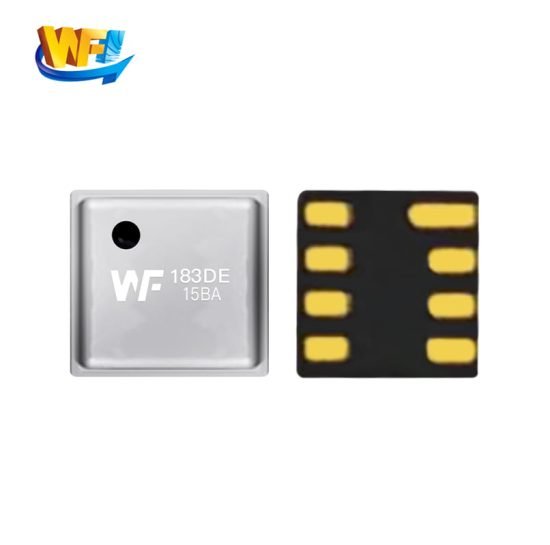
2. Forøg sikkerheden — dobbelt beskyttelse mod overtryk og tørkogning
Trykmåling styrker sikkerhedslogikken markant. Hvis låget sidder fast, ventilationsåbninger blokeret eller dampveje forringet, vil det indre tryk stige. Realtidstrykdata lader systemet afbryde strømmen, før trykket ophobes til noget farligt. Brug af tryk og temperatur sammen giver også et meget klarere overblik for tørkogningsdetektion: hvis opvarmning er tændt, men tryk/dampadfærd afviger fra forventede mønstre, kan kedlen foregribende gå ind i en sikker tilstand - færre falske ture, bedre pålidelighed. For produkter, der vil blive masseproduceret via Kinesiske sensorfabrikker, disse beskyttelser er et klart salgsargument.
Nederste linje: Tryk giver dig et sikkerhedssignal om, at temperaturen alene kan gå glip af.
Hvordan trykføling forhindrer damplækager og overtryk
På firmwaresiden skal du definere en normal trykkurve og håndtere korte spidser anderledes end vedvarende overtærskelforhold. Korte spidser kan udløse en advarsel og effektreduktion; vedvarende overtryk bør øjeblikkeligt afbryde strømmen og give brugeren besked om at kontrollere tætningen eller ventilationsåbningerne. Vælg en sensor med hurtig respons og god interferensimmunitet, så vibrationer eller strømstøj ikke forårsager falske trips.
3. Spar energi og poler brugeroplevelsen
En tryksensor hjælper varmelogikken med at blive smart. I lavtryksmiljøer kan en fast varmeprofil forårsage gentagen eller spildt opvarmning; ved at tilpasse varmekurven skærer du spildte cyklusser, sparer strøm og forkorter ventetiden. Brugergrænsefladen kan også fortælle brugerne det "faktiske kogepunkt" eller foreslå den bedste tilstand - at gennemsigtighed bygger tillid. På markeder, hvor energieffektivitet og brugeroplevelse betyder noget (smarte køkkener, campingudstyr), omsættes disse gevinster direkte til et stærkere produkt.
Nederste linje: Trykbevidsthed muliggør effektiv drift og klarere brugervejledning - godt for salg og anmeldelser.
Autojuster opvarmning efter miljø og belastning
Implementeringsmuligheder omfatter forudindstillede effektkurver, som firmwaren vælger ved hjælp af trykdata, eller behandling af tryk som en korrektionsfaktor i PID/timerlogikken. Gør den energibesparende strategi konfigurerbar i firmware, så du kan justere standardindstillingerne pr. marked (højland, kyst, by) under produktionskørsler.
4. Aktiver smarte funktioner og økosystemlinks
Trykaflæsninger er værdifulde miljødata. Tilslut dem til smart-home-systemer eller vejrtjenester, og du låser op for praktiske funktioner - advarer brugerne om trykfald, der ofte betyder regn, eller vis det lokale kogepunkt i en app, så de kan planlægge. Brugere kunne endda indstille trykbaserede brugerdefinerede tilstande ("High-Plateau Priority"), hvilket giver reel nytte til specifikke behov. For producenter åbner disse funktioner døre til partnerskaber med smarte hjem.
Nederste linje: Trykføling er ikke kun et kontrolinput - det er en gateway til økosystemfunktioner.
Praktiske scenarier til at koble miljødata til hjemmesystemer
Linking sker normalt via et trådløst modul med lavt strømforbrug eller lokal gateway, der skubber trykdata til en app eller hub. Overvej uploadfrekvens, privatliv og båndbreddeomkostninger på forhånd - begivenhedsdrevet eller periodisk skubber balance mellem realtidsbehov og batteri- og netværksforbrug.
5. Vælg den rigtige sensor og få den rigtige implementering
Når du vælger en tryksensor, skal du prioritere høj præcision, indbygget temperaturkompensation og et robust digitalt interface til masseproduktion. Sørg for, at området dækker typiske højdetryk, kontroller langsigtet drift og temperaturkompensationsstrategi, så sensoren passer til din termiske model. En digital grænseflade forenkler støjimmunitet og kalibrering. For volumenproduktion skal du arbejde med en pålidelig kinesisk sensorfabrik for at låse forsyninger og teste standarder.
Nederste linje: Den rigtige enhed, interface og kalibrering gør trykkapacitet til en pålidelig
Udvælgelsesråd, grænseflader og kalibreringsflow
Overvej statisk nøjagtighed (mbar eller Pa), langsigtet drift, temperaturkoefficient, outputgrænseflade (digital foretrukket), indbygget kompensation og pakning. Firmware bør implementere digital filtrering, anomali-tærskler, CRC-tjek og gemme fabrikskalibreringsværdier i ikke-flygtig hukommelse - hvilket letter OTA-tweaks og produktionstest.
Konklusion
At opgradere en kedel fra "bare et varmelegeme" til en "miljøbevidst enhed" er præcis, hvad en tryksensor gør: den sikrer ægte kogning i enhver højde, forbedrer sikkerheden, reducerer energiforbruget og understøtter smarte økosystemfunktioner. Til industrialisering skal du fokusere på sensornøjagtighed, temperaturkompensation og digitale grænseflader til støjmodstandsdygtighed og kalibrering. Valg af dokumenterede højpræcisionsdele og konfigurerbar firmware vil barbere tid fra prototype til produktion, når du arbejder med kinesiske fabrikker. For ingeniører og kundeemner er dette en lille hardwareinvestering, der giver det færdige produkt en meningsfuld fordel.
Ovenstående introduktion ridser kun overfladen af anvendelserne af tryksensorteknologi. Vi vil fortsætte med at udforske de forskellige typer sensorelementer, der bruges i forskellige produkter, hvordan de virker, og deres fordele og ulemper. Hvis du gerne vil have flere detaljer om, hvad der diskuteres her, kan du tjekke det relaterede indhold senere i denne vejledning. Hvis du er presset på tid, kan du også klikke her for at downloade detaljerne i denne guide Lufttrykssensor Produkt PDF -data.
For mere information om andre sensorteknologier, venligst Besøg vores Sensors -side.


