엔지니어링 가이드
MEMS 압력 센서 데이터시트 - 해당 사양이 실제로 의미하는 것(그리고 어떤 것이 중요한지)
You've got three datasheets open in three tabs. 하나는 말한다 "accuracy ±0.03 hPa." 또 다른 사람은 말한다 "±1.5 hPa over temperature." 세 번째는 말한다 "Total Error Band ±0.5% FS." 모두 압력 센서입니다. 그들은 모두 정확성을 인용합니다. 그리고 숫자는 완전히 다른 것을 의미합니다. 이 기사는 디코더 링입니다.
모든 것을 구성하는 한 문장
모든 압력 센서 사양은 다음 두 가지 질문 중 하나에 답합니다.
- "How wrong could this reading be?"
- → 정확도, TCO, 드리프트, 노이즈, 총 오류 대역
- 이것이 혼란이 사는 곳입니다.
- "How quickly and reliably can I get the data?"
- → 변환 시간, 인터페이스 속도, 전원 상태
- 직접 비교하기가 더 쉽습니다.
있다 five different ways to say "accuracy" 제조업체는 부품이 가장 잘 보이도록 선택합니다. 여기에는 가장 오해를 불러일으키는 것부터 가장 정직한 것까지 있습니다.
상대적 정확도
aka "Noise Floor" Accuracy실제로 의미하는 것
이상적인 조건(하나의 온도, 하나의 압력점, 교정 직후, 외부 스트레스 없음)에서 센서는 얼마나 정확하게 문제를 해결할 수 있습니까? 압력 변화?
표시되는 숫자: ±0.03hPa ±0.015hPa ±1Pa — 인상적으로 작습니다.
캐치: 이는 정확한 교정 압력에서 온도 제어 실험실이 1미크론만큼 휘어지지 않은 PCB를 가정한 것입니다. 방법을 알려줍니다. 예민한 센서는 — 해상도 상한선입니다. 그렇습니다 ~ 아니다 현장 측정이 얼마나 정확한지 알려줍니다. 이는 배기가스도, 액세서리도 없고 이상적인 연료도 없는 엔진 동력계에서 측정한 자동차의 마력과 동일한 사양입니다.
- 자질 변화 절대값이 아닌 압력으로
- 드론의 고도 추적(25cm 높이 변경)
- 누출 감지(압력 감쇠 곡선)
- Measuring "what is the pressure right now" vs. a calibrated reference
- 절대적인 정확성을 요구하는 모든 애플리케이션
절대적인 정확성
진짜 하나실제로 의미하는 것
알려진 압력과 온도에 센서를 놓고 판독값을 확인한 후 교정된 참조 표준과 비교하십시오. 얼마나 떨어져 있습니까?
표시되는 숫자: ±1.5hPa ±5hPa ±15hPa — 상대 정확도보다 훨씬 큽니다.
캐치: This includes manufacturing variation, calibration residuals, and non-linearity — all the things relative accuracy leaves out. But it's still usually quoted at a single temperature point (often 25°C). Change the temperature and this number degrades. 이에 대해서는 다음에 더 자세히 설명하겠습니다.
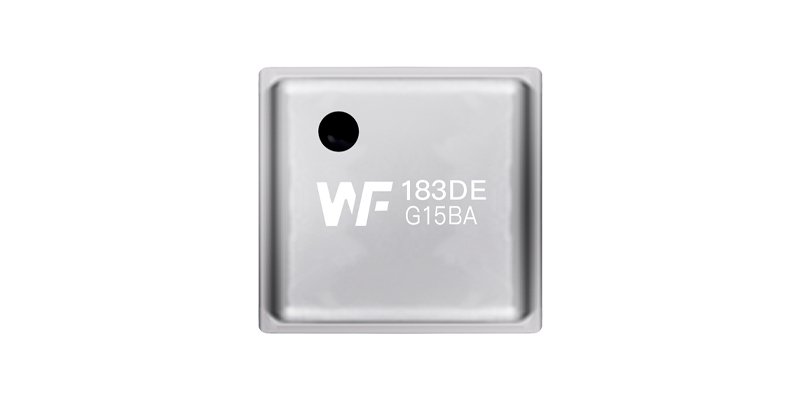
실제 참조: The WF5803F 01BA variant quotes ±1.5 hPa absolute accuracy at 25°C. That's the number to use when asking "will this sensor read the right pressure out of the box?"
- 기압 측정
- 기상 관측소
- 원시 압력은 고도/공기 밀도 계산에 적용됩니다.
- 상대 변경 애플리케이션
- 조립 후 시스템 수준 교정을 수행하면 절대 오차의 상당 부분이 상쇄됩니다.
온도 오프셋 계수(TCO)
필드 킬러실제로 의미하는 것
1켈빈마다 온도가 변할 때마다 센서의 영점 드리프트는 얼마나 됩니까? 각도당 압력 등가 드리프트를 파스칼로 표시합니다.
표시되는 숫자: 1.5파/K 3파/K 10파/K
캐치: 이것은 22°C의 벤치에서 테스트하고 왜 현장 데이터가 −20°C 또는 +60°C에서 잘못 보이는지 궁금해하는 엔지니어를 괴롭히는 문제입니다. 40°C 스윙에서 1.5 Pa/K의 TCO는 판독값을 다음과 같이 변화시킵니다. 60 Pa ≒ 0.6 hPa ≒ 5미터의 고도 오차. For a drone hovering at a set altitude, that's the difference between "stable" and "slowly drifting into a tree."
팁: 센서에 온칩 온도 보상 기능이 있는지 확인하세요. WF5803F는 NVM의 공장 교정 계수를 사용하여 압력과 함께 24비트 온도 데이터를 출력합니다. 1.5 Pa/K 사양은 보상 수치. 보상되지 않은 원시 요소는 10배 더 악화될 수 있습니다.
- 일별 온도 주기가 있는 실외 애플리케이션
- 엔진실
- 고고도 UAV
- 에어컨이 없는 방에 없는 것
- 실내 소비자 기기
- 온도 제어 환경의 실험실 장비
- 온도가 변하지 않는 단시간 측정
장기 드리프트
보이지 않는 문제실제로 의미하는 것
동일한 온도, 동일한 압력, 동일한 공급 전압으로 1년 동안 센서의 전원을 켜 둔 경우 판독값이 초기 교정 값에서 얼마나 이동합니까?
표시되는 숫자: ±0.1% FS/년 ±3hPa/년 — 아니면 가끔 "not characterized" (번역: 우리는 그것을 테스트하지 않았습니다) 또는 전혀 아무것도 아닙니다 (번역: 우리는 정말로 당신이 알기를 원하지 않습니다).
캐치: 1,000시간의 가속수명 테스트를 거쳐야 하기 때문에 가장 얻기 힘든 스펙이다. 이를 게시하는 제조업체는 신뢰성 작업을 수행했습니다. 그렇지 않은 제조업체는 귀하가 직접 테스트하게 될 것입니다. 드리프트는 실리콘 다이어프램의 기계적 이완, 수분 침투 및 다이 부착 접착제의 응력 완화로 인해 발생합니다. 이는 되돌릴 수 없기 때문에 소프트웨어로 보상할 수 없습니다.
적기: 데이터시트에 장기 드리프트 사양이 없고 가속 수명 테스트에 대한 언급이 없으면 이를 상용 부품으로 취급하십시오. 소비자 기기로는 괜찮습니다. 서비스할 수 없는 센서가 설치되어 있으면 좋지 않습니다.
- 재보정할 수 없는 설치된 센서
- 인프라 모니터링
- 제품 수명 동안 교정을 유지하는 의료 기기
- 교체 주기가 2년인 소비자 기기
- 시작 시 영점 교정이 포함된 애플리케이션(환기, 읽기, 오프셋 차감)
소음 밀도
24비트 ≠ 사용 가능한 비트 24개실제로 의미하는 것
압력 등가 소음 스펙트럼 밀도로 표현되는 센서의 고유한 전기 소음입니다. 일반적으로 Pa/√Hz 또는 hPa RMS로 표시됩니다. 때때로 나열됩니다. 때로는 데이터시트 14페이지에 묻혀 있는 경우도 있습니다. 때로는 전혀 그렇지 않을 때도 있습니다.
캐치: 24비트 ADC는 24비트 압력 분해능을 제공하지 않습니다. 아래쪽 몇 비트는 노이즈입니다. 예: 압력 소음이 100Hz 출력 속도에서 0.5Pa RMS이고 전체 범위가 700,000Pa(7Bar)인 경우 유효 분해능은 다음과 같습니다. log₂(700,000 / 0.5) ≈ 20.4 bits. The bottom 3–4 bits are random. Averaging reduces noise by √2 per doubling of samples — but you pay in response time.
실용적인 내용: Don't get hypnotized by "24-bit ADC" on page one. Look for the noise spec. No noise spec? Budget time on the bench to characterize it yourself — because you will care eventually.
- 고속 압력 측정(평균을 계산할 시간 없음)
- 전체 규모가 작은 저압 응용 분야
- 느린 평균 측정(1분당 샘플 1개로 기상 관측소)
- 소음이 전체 규모의 아주 작은 부분인 고압 응용 분야
총 오류 대역(TEB)
정직한 사람실제로 의미하는 것
절대 정확도, 전체 작동 온도 범위에 대한 TCO, 비선형성, 히스테리시스, 장기 드리프트, 전원 공급 장치 거부 등 모든 오류 소스를 RSS 또는 최악의 경우로 결합합니다. 결과는 센서가 실제 세계에서 생성하는 최대 오류입니다.
표시되는 숫자: ±0.5%FS ±1%FS ±2.5%FS — 항상 데이터시트에서 가장 큰 정확도 숫자입니다.
캐치: TEB는 솔직한 사양 - 제조업체가 가장 강조하고 싶지 않은 사양입니다. 온도에 따른 상대 정확도가 ±0.03hPa이고 절대 정확도가 ±5hPa인 센서는 드리프트, 공급 전압 변동, 실장 응력을 고려하면 TEB가 ±10hPa 이상일 수 있습니다.
TEB는 최악의 공차 분석에 사용해야 하는 숫자입니다. Not relative accuracy. Not absolute accuracy at 25°C. TEB.
- 최악의 경우 공차 분석
- 안전이 중요한 시스템
- 모든 작동 조건에서 ±X hPa를 보장해야 하는 모든 시스템
- 교정 단계가 있는 시스템(오프셋/이득 오류가 취소됨)
- 정확성(참값에 근접함)이 아닌 정밀도(반복성)가 필요한 애플리케이션
- 수년에 걸친 절대값이 아닌 분 단위의 변화를 측정합니다.
실제로 읽어야 할 세 가지 사양
데이터시트당 시간이 30초밖에 없다면 다음을 순서대로 살펴보세요.
25°C에서의 절대 정확도
센서의 기본 품질 - 공장에서 얼마나 잘 교정되었는지. 7 Bar 센서의 경우: 아래 ±0.2%FS(±14hPa) is solid. 아래에 ±0.1%FS(±7hPa) 훌륭하다. 이 숫자가 나쁘면 다른 것은 중요하지 않습니다.
TCO or "Accuracy Over Temperature"
The difference between "works on my bench" and "works in the field." If the datasheet only quotes accuracy at 25°C, they're hiding the temperature performance. The WF5803F's compensated TCO of 1.5 Pa/K means a 60°C swing adds less than 1 hPa of offset error.
데이터시트에 노이즈 플롯이 표시됩니까?
가치가 아니라 단순한 것 존재 FFT, Allan 편차 곡선 또는 잡음 밀도 대 주파수 도표를 통해 제조업체가 동적 동작을 특성화했음을 알 수 있습니다. 조달 관리자가 아닌 엔지니어를 위해 작성되었습니다.
일관되지 않은 사양의 센서를 비교할 때: 기본적으로 최대 이 중 다음과 같은 것이 아닌 최상의 단일 번호. 투명성은 부품에 대한 신뢰를 나타냅니다.
작지 않은 작은 글씨
헤드라인 사양표를 작성하지는 않지만 무시할 경우 디자인을 완전히 망칠 수 있는 세 가지 매개변수:
MEMS 센서는 기계 구조입니다. Reflow too hot, too long, or too many times and the diaphragm stress-relaxes — permanently shifting the offset. Most specify JEDEC J-STD-020, peak 260°C, one reflow cycle. 이를 초과하면 정확도 사양이 무효화됩니다. 그 후 열풍 재작업? 당신의 전화.
The LGA package is soldered directly to your PCB. If the board flexes — from mounting screws, thermal expansion, or someone leaning on the enclosure — that stress couples into the sensor die through the solder joints. Sometimes called "board-bending sensitivity." Not always in the datasheet.
LGA packages absorb moisture. Expose them too long before reflow and trapped moisture vaporizes during soldering, delaminating the package ("popcorning"). Most MEMS pressure sensors are MSL-3: 168시간의 바닥 수명 밀봉된 가방을 개봉한 후. 베이크아웃 지침이나 스크랩 예산을 따르세요.
사양 치트 시트
| 투기 | 그것이 당신에게 말하는 것 | 언제 읽으세요 |
|---|---|---|
| 상대적 정확도 | 이상적인 조건에서의 센서 해상도 | 자질 변화, 절대값이 아님 |
| 절대적인 정확성 | 실온에서 기본 정확도 | Measuring true pressure; 시스템 수준 교정 계획 없음 |
| TCO | 영점에 영향을 미치는 온도의 정도 | 옥외 사용; 넓은 온도 범위; 비가열 인클로저 |
| 장기 드리프트 | 내년에도 여전히 정확할까요? | 설치된 센서; 재보정 예산 없음 |
| 소음 밀도 | 실제 ADC 비트 수는 몇 개입니까? | 고속 샘플링; 저압 범위 |
| 총 오류 대역 | 최악의 실제 오류 | 공차 분석; 안전이 중요한 시스템 |
TL;DR
- 상대 정확도 — 인상적으로 보이며 변경 감지 애플리케이션에만 관련됩니다.
- 절대적인 정확성 — 실제 기본 번호. Always at 25°C; 항상 온도에 따라 저하됩니다.
- TCO — the field killer. 모든 실외 또는 광범위한 온도 애플리케이션은 이 사양에 따라 생존하거나 죽습니다.
- 장기 드리프트 — 데이터시트에 누락된 경우 이유를 물어보세요. 그런 다음 직접 테스트해 보세요.
- 소음 밀도 — "24-bit ADC" means nothing without this. Find the plot or measure it.
- 총 오류 대역 — the honest number. 최악의 경우 분석에 사용합니다. Not relative accuracy.
- 규칙: 가장 좋은 단일 숫자가 아닌 가장 많은 사양을 게시하는 센서를 선택하십시오.
이 세 가지 가이드에는 후회 없이 압력 센서를 사양하는 데 필요한 모든 것이 있습니다.
Still comparing datasheets? 범위, 온도, 환경 등 응용 분야를 알려주시면 일반적으로 한 시간 이내에 설계에 실제로 중요한 사양을 알려드리겠습니다.
연락하기 →