
圧力センサーによる水圧スイッチの安全保護機能強化
圧力センサーは、水圧スイッチを鈍い機械的制限から測定可能な電子的保護にアップグレードします。温度センサーと 1Bar リファレンスを組み合わせることで、システムは空運転を回避し、誤ったトリップを減らし、明確なデジタル診断を提供します。
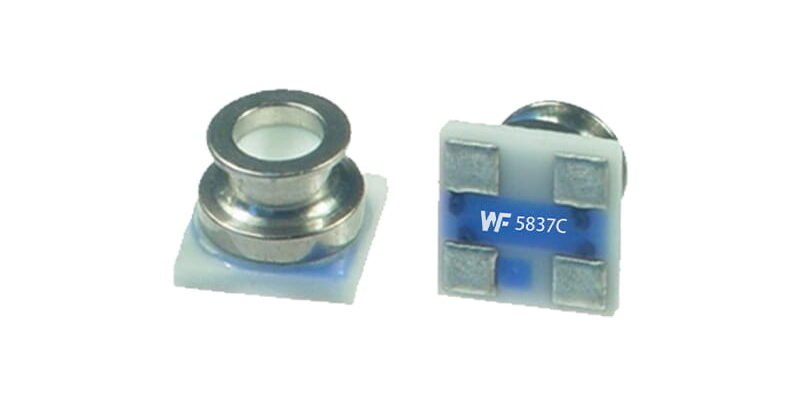
圧力センサーは、水圧スイッチを鈍い機械的制限から測定可能な電子的保護にアップグレードします。温度センサーと 1Bar リファレンスを組み合わせることで、システムは空運転を回避し、誤ったトリップを減らし、明確なデジタル診断を提供します。

センサーの電力使用量が多いと、バッテリー寿命が短くなり、熱が加わり、信号ドリフトが発生し、電力の再割り当てが強制されるため、システム効率が低下します。低電圧設計、プロトコルの最適化、スマート PMIC、軽量のエッジ処理によってこの問題を解決し、安定した長期動作を回復します。

ASIC 圧力センサーは、低ノイズのフロントエンド、24 ビット ADC、オンチップの温度補償とキャリブレーションを統合することで、より高い精度、より低いノイズ、より優れた電力効率を実現します。 TPMS、ウェアラブル、産業用途に最適です。

MEMS 圧力センサーは、大気圧の変化を監視し、平面的な GPS ガイダンスを空間測位に変換することで 3D ナビゲーションを可能にします。これらのセンサーは気圧の変化を測定して高度を計算し、衛星信号が届かない都市部の峡谷やトンネルにおける GPS の垂直方向の死角を埋めます。
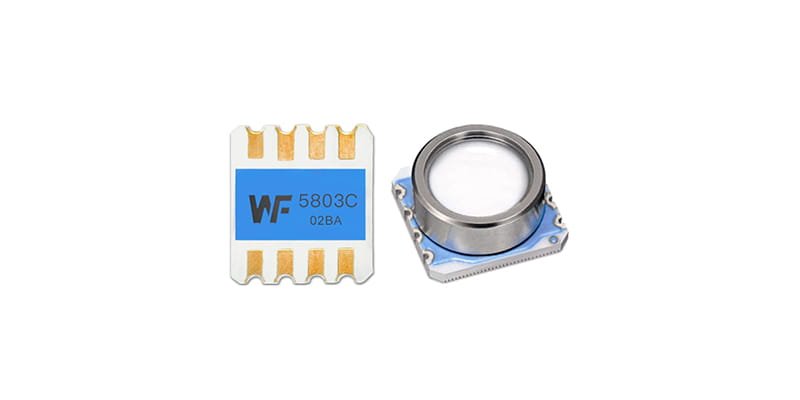
この記事では、実践的な MEMS テクノロジーの経験に基づいて、デジタル圧力センサーが 24 ビット ΔΣ ADC を通じて 1 cm の水深分解能を達成し、I2C および SPI プロトコルを通じてシステム統合を簡素化し、防水構造設計を通じて過酷な屋外環境に耐える方法を体系的に説明します。これらの技術的特徴により、デジタル圧力センサーは、ダイビング コンピューター、水中ロボット、気象観測所、および同様の機器にとって好ましい測定コンポーネントとなっています。

長時間の運用や産業現場では、4 ~ 20 mA のトランスミッタをお勧めします。リモートの低電力デジタル ノードの場合は、比率電圧または I²C トランスデューサを優先します。最高の感度と柔軟な後処理を実現するには、mV 出力センサーを選択し、高精度アンプおよび ADC と組み合わせます。

気象観測用の高精度気圧センサー: 気象観測所が信頼性の高いデータを確保できるように、誤差源、温度補償、サイトのメンテナンスをカバーする、極限状態のテストから選択のヒントまでのエンジニアリング ガイド。

Pressure sensors — especially absolute and digital MEMS types — are the anchors for smart window cleaners. Real-time vacuum feedback adjusts pump power, spots leaks and saves energy. Fast response (<10 ms), ±0.5%FS accuracy, IP67 protection and redundant sensors improve suction stability, path coordination and safety at height.

Digital display gauges convert mV or 5V analogue signals from MEMS pressure sensors into real-time numeric readings, pairing low-level sensing with precise signal handling for stable monitoring and reliable logs.

Smart devices rely on sensors to continuously sense the environment; when sensor outputs show abnormal fluctuations, system measurement accuracy and response stability suffer.

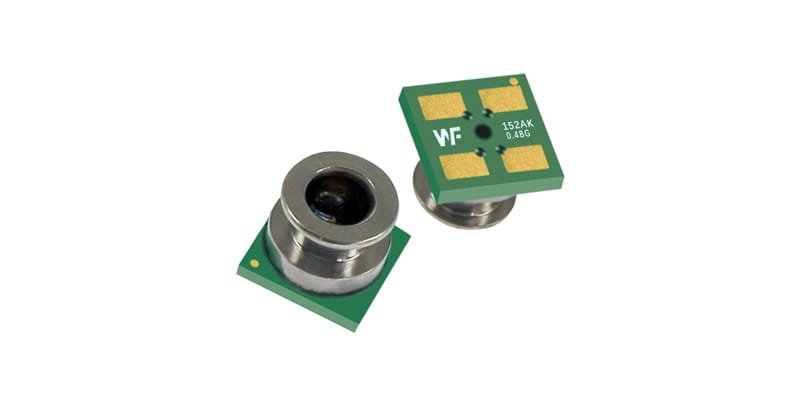
低応力 MEMS パッケージングの重要なポイント: MEMS 圧力センサー、低電力センサー、防水面圧センサーを安定させるために、材料、プロセス、構造を通じて熱機械的ミスマッチを軽減します。

Pressure sensors in smart washing machines handle precise water-level detection and overflow protection. They’re key to matching water amounts to load size and saving energy. This piece explains sensor types, performance, signal processing, calibration and temperature compensation, and why factory-calibrated and amplified calibrated units simplify integration.

Hardware compensation adjusts the sensor’s output directly at the analogue level using circuit components, providing a fast and stable response; programmatic linear (software) compensation corrects errors at the digital level using mathematical models running on an MCU, offering greater flexibility and the potential for improved accuracy.

Pressure sensors that make the perfect cup: This piece starts from the “bean-to-cup” process and explains the central role of pressure sensors in fully automatic coffee machines.