ゲージ圧センサを使用した真空圧力の測定方法

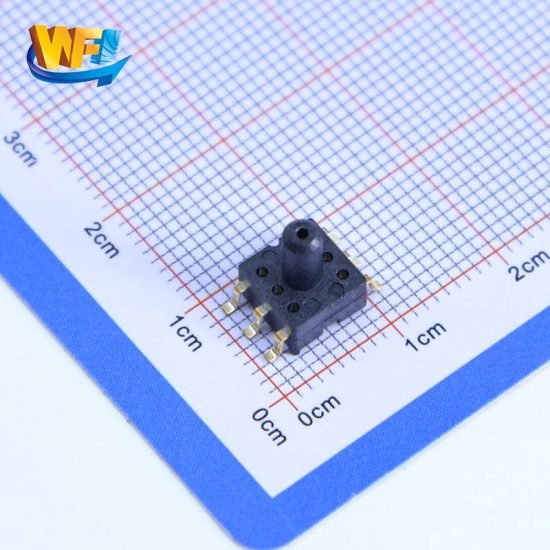
gauge pressure transducer, also known as a relative pressure transducer, is a device used to measure the pressure at a specific point relative to atmospheric pressure. When a gauge pressure sensor measures less than atmospheric pressure, it produces a negative pressure reading. This characteristic is uniquely valuable in many applications, such as detecting sealing conditions in vacuum packaging machines, monitoring the operational efficiency of industrial vacuum systems, and even regulating pressure in research laboratories.

In this article, we will analyze in depth the basic principles and functional characteristics of gauge pressure sensors. We will also highlight how to select the right gauge pressure sensor, configure it for accurate negative pressure measurements, and provide best practice guidelines to improve the accuracy and reliability of your measurements. Through this content, you will learn how to fully utilize the potential of gauge pressure sensors in real-world applications.

読書を始めましょう!

目次

ゲージ圧力センサーの動作原理

The core technology of gauge pressure sensors is based on the deformation of the pressure diaphragm. The pressure diaphragm is usually made of metal or silicon and is connected to a module of electronic components. These components convert the mechanical deformation of the diaphragm into a signal. When the pressure falls below atmospheric pressure, the diaphragm deforms outward, producing a signal that corresponds to the negative pressure.

Simply put, the device detects the deformation of the diaphragm to deduce the pressure value. For example, in a sealed container, when the internal pressure is lower than the external atmospheric pressure, the gauge pressure sensor will give a negative reading. This approach is both intuitive and efficient, and is suitable for a wide range of industrial and laboratory scenarios.

圧力測定のためのアプリケーションシナリオ

Pressure measurement plays an indispensable role in many industries. The following are some specific application scenarios:

真空パッケージ装置

  • In the food processing industry, vacuum packaging technology is widely used to extend the shelf life of food products. Gauge pressure sensors monitor the negative pressure in the packaging machine to ensure the sealing of the package.

医療機器

  • Negative pressure therapy equipment, such as wound pressure drainage systems, require highly accurate pressure monitoring. Gauge pressure sensors provide real-time feedback on system pressure for patient safety.

製薬および化学産業

  • In pharmaceutical manufacturing, negative pressure environments help to avoid contamination and ensure the purity of the drug. These environments can be precisely controlled with gauge pressure sensors.

産業用真空システム

  • Vacuum pumps and vacuum systems in factories need to be constantly monitored for negative pressure to ensure operational efficiency and minimize energy consumption.

右ゲージ圧力センサーの選択

When selecting a gauge pressure sensor, there are several things to keep in mind:

  • Pressure range: Ensure that the pressure range of the sensor covers the negative pressure value of the target measurement.
  • Accuracy: Highly accurate sensors perform better in complex applications, especially in scenarios where small pressure changes need to be monitored.
  • Material Durability: For corrosive environments, it is important to select sensor materials with high corrosion resistance.
  • Output Signal Type: Depending on the application, select sensors with analog or digital outputs.

キャリブレーションと構成

Successful negative pressure measurements depend on proper calibration and configuration. Here are a few key steps:

初期キャリブレーション

Before starting a measurement, the sensor needs to be zero calibrated to ensure that the reference point of the measurement is correct.

信号処理

Ensure that the controller or data acquisition system connected to the sensor is able to correctly parse the signal output from the sensor.

環境適応

Adjusts the sensors environmental compensation parameters to minimize errors under extreme temperature or humidity conditions.

一般的な問題と解決策

Although gauge pressure sensors are relatively simple to use, the following problems may be encountered in actual operation:

ドリフト現象

The sensor may drift from zero after prolonged use. The solution is to recalibrate the sensor periodically.

環境干渉

Electromagnetic interference may affect the sensor’s output signal. For this reason, shielded cables or isolation modules can be used to minimize interference.

リスク損傷

Improper installation or overstressing may cause damage to the sensor. It is recommended that the manufacturers installation instructions be followed and that overpressure protection be added to the system.

結論

Through the detailed explanation in this article, I believe you have a better understanding of the use of gauge pressure sensors to measure negative pressure. This type of sensor is ideal for many industries because of its high sensitivity and adaptability. In practical applications, understanding its operating principle, application scenarios, calibration procedures and solutions to common problems can help you accomplish your tasks more efficiently.

Gauge pressure sensors are not only measurement tools, but also key components for optimizing production processes and improving efficiency. Whether you are an engineer in industry or an operator in a scientific research lab, you can benefit from this technology. We hope that this article will provide you with practical guidance and inspiration for your work.

コメントを残す

あなたのメールアドレスは公開されません。 必須フィールドにマークが付いています *

一番上までスクロール

お問い合わせ