
Blood pressure monitoring in wearable devices has come a long way, and if you’re wondering Welk sensortype is het beste, the answer isn’t as straightforward as you might think. There are two primary options: meter druksensoren En absolute pressure sensors. Let’s break them down logically and figure out which one makes the most sense for wearable blood pressure monitoring.

Catalogus
Laten we beginnen met begrijpen!
Gauge Pressure vs. Absolute Pressure Sensors: What’s the Difference?
First, let’s get the basics right:
- Meter druksensoren Met op de druk ten opzichte van atmosferische druk. This means they constantly adjust for changes in external air pressure, which is useful when measuring blood pressure in a dynamic environment.
- Absolute pressure sensors Met op de druk ten opzichte van een perfect vacuüm. This gives you a fixed reference point, making it more stable in certain conditions but less adaptive to environmental changes.
So, which one is better for blood pressure monitoring in wearables? The answer depends on factors like accuracy, pressure range, temperature stability, resolution, and power consumption.
Belangrijkste factoren om te overwegen bij de selectie van de bloeddruksensor
1. Accuracy: How Precise Does It Need to Be?
Medical-grade accuracy is critical for blood pressure monitoring, especially when you’re dealing with something as sensitive as cardiovascular health.
- Meter druksensoren hebben meestal de voorkeur omdat ze Pas aan voor omgevingsomstandigheden and provide a more direct representation of blood pressure.
- Absolute pressure sensors, however, Bied stabiliteit in de loop van de tijd and can be more precise in controlled environments.
Verdict: For dynamic, real-world blood pressure monitoring (e.g., wearables worn outdoors or during physical activity), Gijkdruksensoren zijn meestal de betere keuze.
2. Pressure Measurement Range: Can It Handle Blood Pressure Levels?
Bloeddruk wordt meestal gemeten in mmHg (millimeters of mercury). The normal range for humans is about 80 to 120 mmHg, but to be effective, a sensor should comfortably cover a range from 0 to at least 300 mmHg (or ~40 kPa).
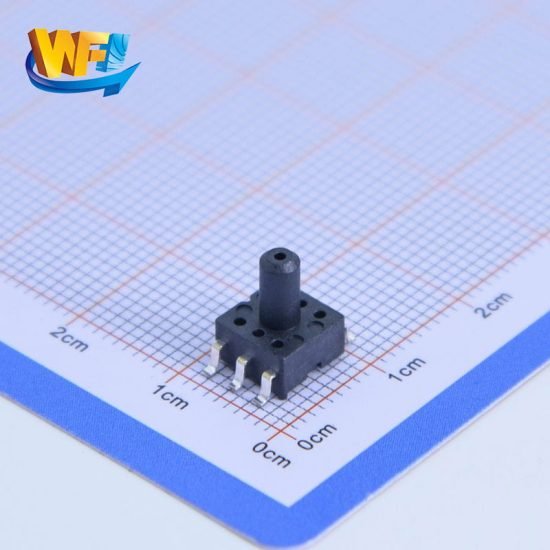
- De meeste draagbare apparaten gebruiken MEMS-gebaseerde meter druksensoren dat kan meten van 0–50 kPa (0–375 mmHg), which is well beyond what’s needed for blood pressure tracking.
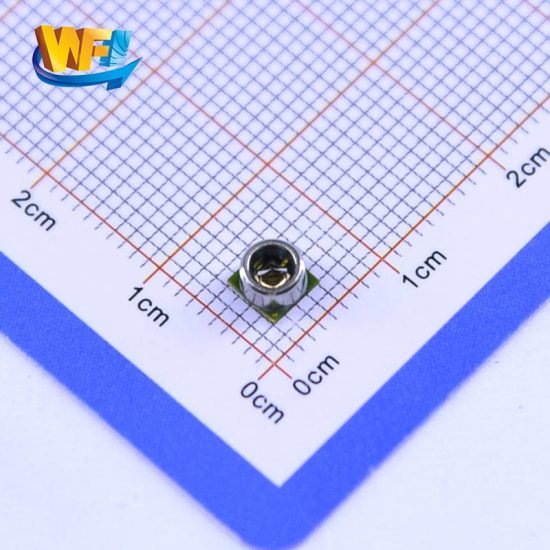
- Absolute pressure sensors, on the other hand, hebben vaak veel bredere reeksen, sometimes going into the 100 kPa (~750 mmHg) or more, which might be overkill for this use case.
Verdict: Both sensor types can handle blood pressure, but gauge sensors provide more optimized ranges.
3. Temperature Stability: Can It Handle Body Heat?
Temperatuurschommelingen kunnen invloed op drukwaarden, and since wearables are in constant contact with skin, this is an important factor.
- Gijkdruksensoren zijn gevoeliger voor temperatuurveranderingen but can be calibrated dynamically to compensate for this.
- Absolute druksensoren zijn over het algemeen stabieler over temperatuurvariaties, but they don’t naturally compensate for atmospheric fluctuations, which can impact readings.
De meeste moderne sensoren zijn onder meer temperatuurcompensatie -algoritmen, so this is less of a dealbreaker than it used to be.
Verdict: If temperature stability is a major concern, absolute pressure sensors might have a slight edge.
4. Resolution: How Small of a Change Can It Detect?
Resolutie is belangrijk omdat bloeddruk fluctueert in kleine stappen, especially when monitoring in real-time.
- Meest gauge pressure sensors have a resolution of around 0.1 mmHg, which is meer dan genoeg for blood pressure tracking.
- Absolute pressure sensors can go even higher, but again, they’re often Te nauwkeurig voor wat er eigenlijk nodig is in a wearable device.
Verdict: Gauge pressure sensors hit the sweet spot for resolution without overcomplicating things.
5. Power Consumption: How Long Will the Battery Last?
Draagbare apparaten moeten zijn energiezuinig ervoor zorgen Lange levensduur van de batterij.
- Meter druksensoren Consumeer meestal lagere kracht (~5–10 µW), making them more suitable for continuous monitoring in battery-powered devices.
- Absolute pressure sensors kan Consumeer meer kracht because they’re designed for high-precision applications that often require more frequent recalibrations.
Verdict: Gauge pressure sensors win this one for being more power-efficient.
Which One Should You Choose?
Als u een draagbare bloeddrukmonitor, a meter druksensor is de betere optie 99% of the time. Here’s why:
✔ Het past zich aan voor atmosferische omstandigheden, making it more reliable in real-world use.
✔ Het heeft het juiste drukbereik for human blood pressure monitoring.
✔ Het is krachtige efficiënt, which is critical for wearables.
✔ Het heeft voldoende resolutie without overcomplicating things.
Absolute pressure sensors hebben hun plaats, particularly in gecontroleerde medische omgevingen where extreme precision is required, but for everyday wearable health tech, meter druksensoren zijn de juiste keuze.
Final Thoughts: The Future of Blood Pressure Sensors in Wearables
As wearable health monitoring advances, meter druksensoren will continue to be the go-to choice, but we might start seeing hybride oplossingen that incorporate elements of absolute pressure sensing for improved accuracy. AI-driven algorithms will also play a bigger role in correcting and analyzing pressure data, leading to even more precise wearable blood pressure monitoring.
So, the next time you see a smartwatch boasting “blood pressure tracking,” je weet het precies Wat voor soort sensortechnologie zit erin - en waarom het ertoe doet.
De bovenstaande introductie schetst slechts het oppervlak van de toepassingen van druksensortechnologie. We zullen doorgaan met het verkennen van de verschillende soorten sensorelementen die in verschillende producten worden gebruikt, hoe ze werken en hun voor- en nadelen. Als u meer informatie wilt over wat hier wordt besproken, kunt u de gerelateerde inhoud verderop in deze handleiding bekijken. Als u weinig tijd heeft, kunt u ook hier klikken om de details van deze handleidingen te downloaden Luchtdruksensorproduct PDF -gegevens.
Voor meer informatie over andere sensortechnologieën kunt u terecht Bezoek onze sensorenpagina.