
Mems Pressure Sensor ຕົວກໍານົດການອະທິບາຍ
When comparing sensors with inconsistent specs: default to the one that publishes the most of these, not the one with the best single number. Transparency signals confidence in the part.

When comparing sensors with inconsistent specs: default to the one that publishes the most of these, not the one with the best single number. Transparency signals confidence in the part.

I²C or SPI for your pressure sensor? Compare pin count, noise immunity, firmware complexity, and multi-sensor scaling — with real numbers to help you choose the right bus for your design
I²C ທຽບກັບ SPI ສໍາລັບເຊັນເຊີຄວາມກົດດັນ —ຄູ່ມືການເລືອກການໂຕ້ຕອບ ອ່ານ Post »
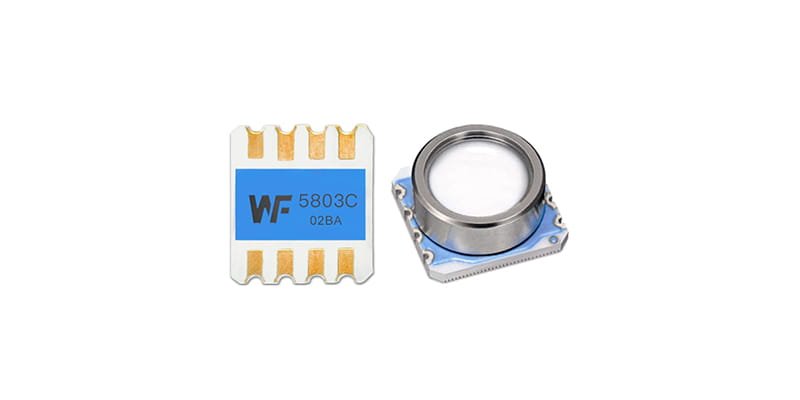
Learn the key differences between absolute, gauge, and differential pressure sensors — and how to choose the right one for your application in two simple questions.
Absolute vs Gauge vs Differential Pressure Sensors ອະທິບາຍ ອ່ານ Post »

Does a 25-50Pa absolute pressure sensor really exist? Starting from a real customer inquiry about cavity pumping, this article breaks down ultra-high negative pressure detection, MEMS sensing structures, and signal processing — covering the key differences between standard atmospheric pressure, absolute negative pressure, and vacuum absolute pressure sensors to help you make the right selection decision.

The fundamental differences among MEMS pressure sensors arise from the physical effects they exploit. Different operating principles define their performance envelopes and suitable application domains. The mainstream technological approaches comprise five categories: piezoresistive, capacitive, resonant, fibre-optic and piezoelectric sensors. These technologies exhibit marked differences in characteristics and trade-offs.
ຄູ່ມືການຈັດປະເພດແລະການຄັດເລືອກສໍາລັບ MEMS Pressure Sensors-2026 ອ່ານ Post »

A direct tyre pressure monitoring system measures the pressure inside each tyre with sensors mounted on the wheel and transmits that data wirelessly to an in-cabin receiver. Compared with indirect systems, it can show the instantaneous absolute pressure for every tyre. Sensitivity and resolution determine whether the system will alert early enough.
ເຊັນເຊີ Piezoresistive ສໍາລັບ TPMS ໂດຍກົງ: ການວັດແທກຄວາມກົດດັນຢາງທີ່ຖືກຕ້ອງ ອ່ານ Post »

Digital gauges need sensors matched to range, accuracy, output and medium. For most gauges, diffusion-silicon sensors give the best price-performance; ceramic or isolation types suit corrosive media; sapphire suits extreme temps. Pick based on range, output (analog mV vs digital), and installation to ensure stable, accurate readings.
ເຊັນເຊີຄວາມກົດດັນປະເພດໃດທີ່ໃຊ້ໃນເຄື່ອງວັດຄວາມດັນດິຈິຕອນ? ອ່ານ Post »

Pressure sensors give stage lifts a second — sometimes first — line of defence by monitoring load and pressure in real time. This piece covers sensor selection, control integration, redundant design, reliability checks and maintenance, showing how analog absolute pressure sensors along with pressure monitoring sensors and tension sensors can work together to noticeably cut overloads, mechanical faults and false operations.
ເຊັນເຊີຄວາມກົດດັນສາມາດຫຼຸດຜ່ອນຄວາມສ່ຽງໃນອຸປະກອນຍົກຂັ້ນຕອນ ອ່ານ Post »

The air pressure management of the laser cutting system achieves real-time closed-loop control through a high-precision absolute pressure sensor, which is the technical foundation for ensuring stable production capacity and reducing scrap rate.
Leveraging Sensors ໃນອຸປະກອນຕັດ Laser ເພື່ອຕິດຕາມຂະບວນການຄວາມກົດດັນທາງອາກາດ ອ່ານ Post »

For a pressure sensor to meet automotive-grade reliability, you need a full engineering approach: silicon and packaging optimisation, robust electrical protection, temperature compensation, and tight process and verification control.
ເຊັນເຊີຄວາມດັນຂອງລົດຍົນຕອບສະໜອງໄດ້ມາດຕະຖານຄວາມໜ້າເຊື່ອຖືຂອງລົດຍົນ ອ່ານ Post »

The article follows five core sections that progressively reveal the fabrication basics of MEMS, sensing principles, packaging and integration challenges, validation and quality-control essentials, and finishes with practical recommendations. The content references observations of the sensor pictured and focuses on being clear, practical and actionable.
ເຊັນເຊີ MEMS ເບິ່ງຄືວ່າບໍ່ຄຸ້ນເຄີຍແຕ່ມີຢູ່ທົ່ວທຸກແຫ່ງ ອ່ານ Post »

Sensor selection is not a single-parameter decision: it’s a trade-off among resolution, response, stability, environmental tolerance and ease of integration. Digital air pressure sensors offer clear advantages in integration and long-term stability when paired with appropriate packaging and compensation strategies. Start from the clinical needs and user comfort, then validate sensors at the system level to choose a part that meets performance, manufacturability and maintainability requirements.
Digital Air Pressure Sensor Performance Requirements for Sleep Apnoea Machines ອ່ານ Post »

Smart band sensors that track heart rate well combine optical readings with tiny pressure modules and smart signal processing. Proper hardware, calibration, and user-fit design boost accuracy and make daily health tracking reliable.
Smart band sensors monitor heart rate accurately to improve care today ອ່ານ Post »

Depth pressure sensor is a sensor that accurately determines the depth of a liquid by measuring hydrostatic pressure (i.e., the pressure increases with water depth). It is commonly used in diving watches, underwater robots (ROVs), sonar buoys, and water level monitoring.
Enclosure Sensor Installation on Lifejackets for Accurate Underwater Depth ອ່ານ Post »
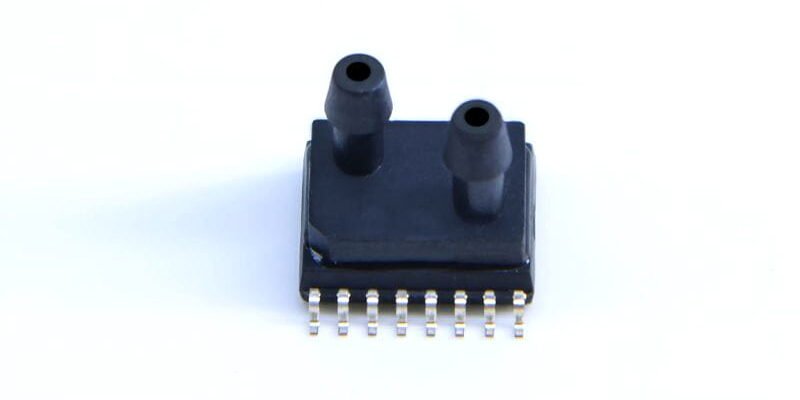
Pressure sensors read tank level by measuring hydrostatic pressure. For open tanks measure bottom gauge pressure; for pressurized tanks use a differential transmitter to cancel vapor pressure. Use piezoresistive silicon sensors with built-in temperature compensation and a 24-bit DSADC digital output for high resolution, low-noise level data and easier system integration.
How is the liquid level in a storage tank detected using a pressure sensor? ອ່ານ Post »