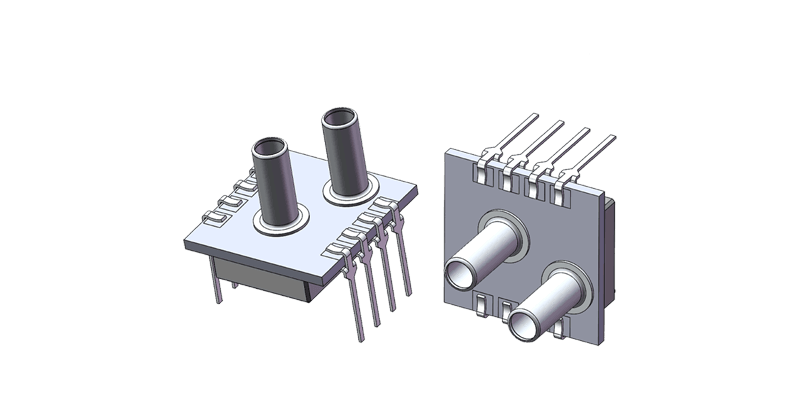
ລາຍການ
This comprehensive document covers atmospheric pressure sensor calibration methods and wireless sensor advantages. Calibration includes pre-preparation with environmental stability, static calibration using standard barometers, dynamic calibration under varying conditions, and self-calibration features. Wireless sensors offer flexibility, real-time data transmission, easy installation, scalability, environmental adaptability, data integration, energy efficiency, safety, cost-effectiveness, and enhanced monitoring capabilities with IoT integration.

1. Pre-Calibration Preparation
Before conducting calibration, it is essential to ensure that the sensor is in a stable state and that environmental conditions (such as temperature and humidity) meet calibration requirements. Additionally, calibration equipment must be prepared, including standard barometers, calibration software, and connection cables. Temperature compensation is crucial during this phase, as pressure sensors are highly sensitive to temperature variations. Proper warm-up time (typically 30-60 minutes) should be allowed to ensure thermal stability.
2. Static Calibration
Static calibration is performed under fixed atmospheric pressure conditions, typically using a standard barometer as reference. The procedure includes:
Step 1: ວາງເຊັນເຊີຄວາມດັນຂອງບັນຍາກາດ ແລະເຄື່ອງວັດແທກລະດັບມາດຕະຖານຢູ່ໃນສະພາບແວດລ້ອມດຽວກັນ, ໃຫ້ແນ່ໃຈວ່າທັງສອງຢູ່ພາຍໃຕ້ເງື່ອນໄຂຄວາມກົດດັນດຽວກັນ.
ຂັ້ນຕອນທີ 2: ບັນທຶກການອ່ານຈາກເຄື່ອງວັດແທກມາດຕະຖານ.
ຂັ້ນຕອນທີ 3: ປຽບທຽບການອ່ານເຊັນເຊີຄວາມດັນດ້ວຍການອ່ານບາໂຣມິເຕີມາດຕະຖານ ແລະຄຳນວນຄວາມບ່ຽງເບນ.
ຂັ້ນຕອນທີ 4: ປັບຕົວກໍານົດການປັບຕົວຂອງເຊັນເຊີໂດຍອີງຕາມການບ່ຽງເບນຈົນກ່ວາການອ່ານສອດຄ່ອງກັບບາໂຣມິເຕີມາດຕະຖານ. ຈຸດການວັດແທກຫຼາຍຈຸດໃນທົ່ວຊ່ວງການເຮັດວຽກຂອງເຊັນເຊີຄວນໄດ້ຮັບການທົດສອບເພື່ອຮັບປະກັນຄວາມສອດຄ່ອງ ແລະຄວາມຖືກຕ້ອງໃນທົ່ວຂອບເຂດການວັດແທກທັງໝົດ.
3. ການປັບທຽບແບບໄດນາມິກ
ການປັບທຽບແບບໄດນາມິກແມ່ນດໍາເນີນພາຍໃຕ້ເງື່ອນໄຂຄວາມກົດດັນທີ່ແຕກຕ່າງກັນເພື່ອຈໍາລອງສະພາບແວດລ້ອມການປະຕິບັດຕົວຈິງ. ຂັ້ນຕອນແມ່ນ:
Step 1: Place the atmospheric pressure sensor in an environment where pressure changes can be controlled, such as a pressure chamber.
ຂັ້ນຕອນທີ 2: Gradually change the pressure chamber’s pressure and record readings from both the pressure sensor and standard barometer.
ຂັ້ນຕອນທີ 3: Analyze data to determine the sensor’s response characteristics under different pressure conditions.
ຂັ້ນຕອນທີ 4: Based on dynamic calibration results, adjust the sensor’s dynamic calibration parameters. Hysteresis effects should be evaluated by conducting both ascending and descending pressure cycles to identify any systematic errors in the sensor’s response.
4. Self-Calibration
Some modern atmospheric pressure sensors feature self-calibration capabilities that can automatically perform calibration. The steps include:
Step 1: Initiate the sensor’s self-calibration program.
ຂັ້ນຕອນທີ 2: The sensor will automatically adjust its internal parameters to ensure measurement accuracy.
ຂັ້ນຕອນທີ 3: Monitor the self-calibration process to ensure no errors occur. Advanced sensors may incorporate machine learning algorithms to continuously improve calibration accuracy based on historical data and environmental patterns.
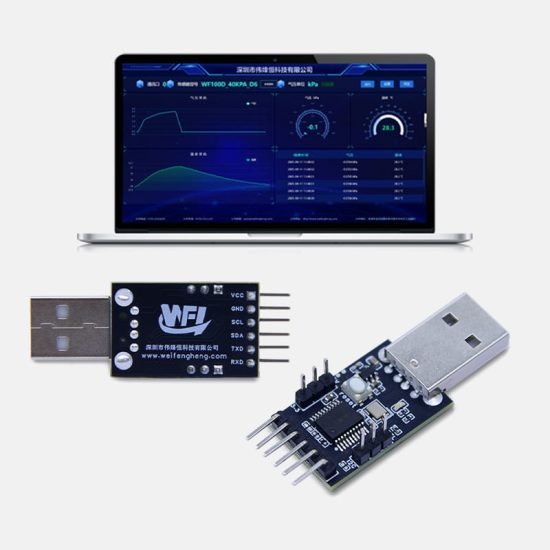
5. Regular Calibration
To maintain measurement accuracy, regular calibration of atmospheric pressure sensors is recommended. Calibration intervals should be determined based on sensor specifications, environmental conditions, and application criticality. High-precision applications may require monthly calibration, while standard applications may suffice with annual calibration schedules.
Advantages of Wireless Atmospheric Pressure Sensors
1. Flexibility and Portability
Wireless atmospheric pressure sensors do not require physical connections to data loggers or monitoring systems, making them easily deployable in different locations, particularly in environments where wiring is challenging.
2. Real-time Data Transmission
Wireless atmospheric pressure sensors can transmit data in real-time, which is crucial for applications requiring immediate response (such as meteorological monitoring and disaster warning systems).
3. Easy Installation and Maintenance
Since no wiring is required, the installation and maintenance workload for wireless atmospheric pressure sensors is minimal, reducing costs and complexity.
4. Scalability
Wireless networks allow for easy addition of more sensor nodes, facilitating expansion of monitoring networks.
5. Environmental Adaptability
Wireless atmospheric pressure sensors are typically designed to be more robust and durable, capable of adapting to harsh environmental conditions.
6. Data Sharing and Integration
Wireless sensors can easily integrate with existing data management systems or cloud platforms, enabling centralized data management and analysis.
7. Energy Efficiency
ເຊັນເຊີຄວາມກົດດັນບັນຍາກາດໄຮ້ສາຍຈໍານວນຫຼາຍຮັບຮອງເອົາການອອກແບບທີ່ມີພະລັງງານຕ່ໍາແລະສາມາດດໍາເນີນການກ່ຽວກັບພະລັງງານຫມໍ້ໄຟ, ເຫມາະສົມສໍາລັບການນໍາໃຊ້ໃນໄລຍະຍາວ.
8. ຄວາມປອດໄພ
ເຊັນເຊີໄຮ້ສາຍຫຼຸດຜ່ອນຄວາມຕ້ອງການຂອງສາຍໄຟໃນບ່ອນ, ຫຼຸດຜ່ອນຄວາມສ່ຽງດ້ານຄວາມປອດໄພດ້ານໄຟຟ້າ. ເຊັນເຊີຄວາມກົດດັນບັນຍາກາດໄຮ້ສາຍຫຼາຍແມ່ນໃຊ້ການອອກແບບທີ່ມີພະລັງງານຕ່ໍາແລະສາມາດດໍາເນີນການກັບພະລັງງານຫມໍ້ໄຟ, ເຫມາະສົມສໍາລັບການນໍາໃຊ້ໃນໄລຍະຍາວ.
9. ປະສິດທິພາບຄ່າໃຊ້ຈ່າຍ
ເຖິງແມ່ນວ່າການລົງທຶນເບື້ອງຕົ້ນອາດຈະສູງກວ່າ, ເຊັນເຊີໄຮ້ສາຍສາມາດສະຫນອງຄ່າໃຊ້ຈ່າຍທີ່ດີກວ່າໃນໄລຍະຍາວໂດຍການຫຼຸດຜ່ອນຄ່າໃຊ້ຈ່າຍໃນສາຍໄຟແລະການບໍາລຸງຮັກສາ.
10. ການຕິດຕາມສິ່ງແວດລ້ອມ
ເຊັນເຊີຄວາມກົດດັນບັນຍາກາດແບບໄຮ້ສາຍໃນຄໍາຮ້ອງສະຫມັກຕິດຕາມກວດກາສິ່ງແວດລ້ອມສາມາດສະຫນອງການຄຸ້ມຄອງຂໍ້ມູນຢ່າງກວ້າງຂວາງ, ຊ່ວຍໃຫ້ເຂົ້າໃຈແລະຄາດຄະເນການປ່ຽນແປງຂອງສິ່ງແວດລ້ອມໄດ້ດີຂຶ້ນ.
11. ປັບປຸງຄວາມຫນ້າເຊື່ອຖືຂອງເຄືອຂ່າຍ
Modern wireless pressure sensors often incorporate mesh networking capabilities, ensuring data transmission continuity even if individual nodes fail. This redundancy significantly improves overall system reliability and reduces data loss risks.
12. ການວິເຄາະຂໍ້ມູນຂັ້ນສູງ
ເຊັນເຊີໄຮ້ສາຍເຮັດໃຫ້ການວິເຄາະຂໍ້ມູນທີ່ມີຄວາມຊັບຊ້ອນຜ່ານແພລະຕະຟອມຄອມພິວເຕີ້ຟັງ, ຊ່ວຍໃຫ້ການຮັກສາການຄາດເດົາ, ການວິເຄາະແນວໂນ້ມ, ແລະລະບົບແຈ້ງເຕືອນອັດຕະໂນມັດທີ່ສາມາດກໍານົດບັນຫາທີ່ອາດຈະເກີດຂື້ນກ່ອນທີ່ມັນຈະສໍາຄັນ.
ສະຫຼຸບ
ການປັບທຽບຂອງເຊັນເຊີຄວາມກົດດັນບັນຍາກາດແມ່ນສໍາຄັນສໍາລັບການຮັບປະກັນຄວາມຖືກຕ້ອງຂອງຂໍ້ມູນການວັດແທກ. ໂດຍການນໍາໃຊ້ວິທີການປັບຕົວທີ່ຖືກຕ້ອງ, ການປະຕິບັດຂອງເຊັນເຊີແລະຄວາມຫນ້າເຊື່ອຖືສາມາດໄດ້ຮັບການປັບປຸງ. ເຊັນເຊີຄວາມກົດດັນບັນຍາກາດໄຮ້ສາຍ, ດ້ວຍຄວາມຍືດຫຍຸ່ນ, ຄວາມສາມາດໃນເວລາທີ່ແທ້ຈິງ, ແລະຄວາມງ່າຍຂອງການນໍາໄປໃຊ້, ມີບົດບາດສໍາຄັນເພີ່ມຂຶ້ນໃນລະບົບການຕິດຕາມທີ່ທັນສະໄຫມ. As Internet of Things (IoT) technology continues to evolve, wireless pressure sensors are becoming integral components of smart city infrastructure, enabling comprehensive environmental monitoring and contributing to sustainable urban development. With technological advancement, the application scope of wireless atmospheric pressure sensors will further expand, providing more efficient and accurate monitoring solutions for various industries.
ການແນະນໍາຂ້າງເທິງພຽງແຕ່ scratches ດ້ານຂອງຄໍາຮ້ອງສະຫມັກຂອງເຕັກໂນໂລຊີເຊັນເຊີຄວາມກົດດັນ. ພວກເຮົາຈະສືບຕໍ່ຄົ້ນຫາປະເພດຕ່າງໆຂອງອົງປະກອບເຊັນເຊີທີ່ໃຊ້ໃນຜະລິດຕະພັນຕ່າງໆ, ວິທີການເຮັດວຽກ, ແລະຂໍ້ດີແລະຂໍ້ເສຍຂອງມັນ. ຖ້າທ່ານຕ້ອງການລາຍລະອຽດເພີ່ມເຕີມກ່ຽວກັບສິ່ງທີ່ໄດ້ສົນທະນາຢູ່ທີ່ນີ້, ທ່ານສາມາດກວດເບິ່ງເນື້ອຫາທີ່ກ່ຽວຂ້ອງໃນພາຍຫຼັງໃນຄູ່ມືນີ້. ຖ້າຫາກວ່າທ່ານກໍາລັງກົດດັນສໍາລັບການໃຊ້ເວລາ, ທ່ານຍັງສາມາດຄລິກທີ່ນີ້ເພື່ອດາວໂຫລດລາຍລະອຽດຂອງຄູ່ມືນີ້ ຂໍ້ມູນ PDF ຜະລິດຕະພັນ PDOR Air.
ສໍາລັບຂໍ້ມູນເພີ່ມເຕີມກ່ຽວກັບເຕັກໂນໂລຊີເຊັນເຊີອື່ນໆ, ກະລຸນາ ເຂົ້າເບິ່ງຫນ້າສັນຍາລັກຂອງພວກເຮົາ.