
Catalogare
Introduzione ai sensori di pressione
I sensori di pressione sono componenti cruciali in vari settori, tra cui quello automobilistico, dell'automazione industriale, dei prodotti di consumo e dei dispositivi medici. Si prevede che il mercato globale dei sensori di pressione raggiungerà quasi i 24,5 miliardi di dollari entro il 2028, riflettendo la loro crescente importanza nella tecnologia moderna1. I sensori di pressione funzionano in base al principio della forza applicata su un'area, essenziale per comprenderne le applicazioni e la funzionalità.
Comprensione della tecnologia MEMS
MEMS (sistemi microelettromeccanici) La tecnologia è fondamentale nello sviluppo dei sensori di pressione. I sensori MEMS sono dotati di un diaframma elastico in silicio, che consente loro di sottoporsi a ripetuti cicli di pressione senza alterarne le proprietà. Questa elasticità è vantaggiosa in quanto riduce al minimo l'isteresi e lo scorrimento, problemi comuni in altri tipi di sensori
Vantaggi di MEMS
Efficienza dei costi: È possibile produrre migliaia di sensori su un singolo wafer, riducendo significativamente i costi.
Flessibilità di progettazione: Avere una fabbrica di wafer interna consente un migliore controllo sulla catena di fornitura e la personalizzazione del design.
Affidabilità: I sensori MEMS sono esenti da isteresi e creep, garantendo prestazioni costanti nel tempo
Sensori piezoresistivi e piezoelettrici
Sensori piezoresistici
I sensori piezoresistivi funzionano misurando le variazioni della resistenza elettrica quando sottoposti a pressione. Sono noti per la loro ripetibilità e versatilità, che li rendono adatti a varie applicazioni, comprese procedure mediche come l'angioplastica
Sensori piezoelettrici
I sensori piezoelettrici generano una carica elettrica in risposta allo stress meccanico. Sono comunemente utilizzati in applicazioni che richiedono un'elevata sensibilità alle vibrazioni e alle forze, come negli accelerometri e nei sensori di carico
Per ulteriori indicazioni sui sensori piezoresistivi e piezoelettrici, consulta questo articolo:https://wfsensors.com/blog/use-and-function-of-mems-piezoresistive-pressure-sensorscomprehensive-guide.html/
Applicazioni dei sensori di pressione
I sensori di pressione sono utilizzati in più settori:
Automobile: Per la gestione del motore e i sistemi di sicurezza.
Immersione: Per monitorare la profondità e garantire tempi di salita e discesa sicuri.
E-bike: Integrato negli ammortizzatori e nei pneumatici per migliorare le prestazioni.
Medico: In procedure come l'angioplastica per monitorare il gonfiaggio del palloncino
Sensori di pressione MEMS: design e funzionalità
Sensori assoluti: Misura la pressione relativa ad un riferimento di vuoto.
Sensori di calibro: Misura la pressione relativa alla pressione atmosferica
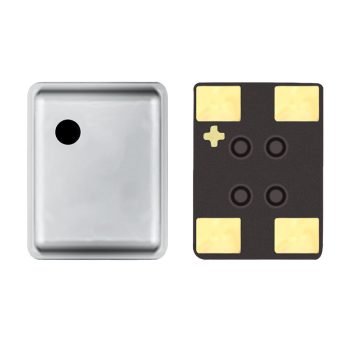
Tipi di sensori di pressione MEMS
I sensori di pressione MEMS presentano un ponte di Wheatstone diffuso in un diaframma di silicio. La variazione di uscita da questo ponte corrisponde alle variazioni della pressione applicata. Lo spessore del diaframma viene regolato in base al campo di pressione richiesto
Fattori che influenzano l'accuratezza del sensore di pressione
La precisione nei sensori di pressione è fondamentale, soprattutto nelle applicazioni che richiedono misurazioni precise. I fattori che influenzano la precisione includono:
Temperatura: I cambiamenti di temperatura possono influenzare la sensibilità e la resistenza del sensore.
Stress: Le sollecitazioni esterne durante l'imballaggio possono influire sulle prestazioni del sensore nel tempo
Raggiungere l'accuratezza
Calibrazione: Essenziale per garantire la precisione.
Sensori compensati: Utilizza gli ASIC integrati per semplificare la calibrazione e migliorare la precisione
Selezione del giusto sensore di pressione
Quando si sceglie un sensore di pressione, considerare i seguenti fattori:
Intervallo di pressione: Assicurarsi che il sensore sia in grado di gestire l'intervallo di pressione richiesto.
Condizioni ambientali: Considerare la temperatura, l'umidità e i potenziali fattori di stress.
Tipo di applicazione: Determina se è necessario un sensore assoluto, relativo o differenziale
Conclusione
I sensori di pressione, in particolare quelli che utilizzano la tecnologia MEMS, svolgono un ruolo fondamentale nelle industrie moderne. Comprendere le differenze tra sensori piezoresistivi e piezoelettrici, nonché il design e la funzionalità dei sensori MEMS, è essenziale per selezionare il sensore giusto per applicazioni specifiche. Considerando fattori come precisione, condizioni ambientali e tipo di applicazione, gli utenti possono garantire prestazioni e affidabilità ottimali nei loro sistemi.
Consigli fruibili
Valuta le tue esigenze: Determinare il campo di pressione e le condizioni ambientali per la propria applicazione.
Scegli il tipo di sensore giusto: Decidi tra piezoresistivo e piezoelettrico in base ai requisiti della tua applicazione.
Considera la calibrazione: Assicurati che il sensore sia calibrato correttamente per misurazioni accurate.
Seguendo questi passaggi e comprendendo i principi alla base dei sensori di pressione, puoi integrarli efficacemente nei tuoi progetti e ottenere risultati affidabili.
L'introduzione di cui sopra scalfisce solo la superficie delle applicazioni della tecnologia dei sensori di pressione. Continueremo a esplorare i diversi tipi di elementi sensore utilizzati nei vari prodotti, come funzionano e i loro vantaggi e svantaggi. Se desideri maggiori dettagli su ciò che viene discusso qui, puoi consultare il contenuto correlato più avanti in questa guida. Se hai poco tempo, puoi anche fare clic qui per scaricare i dettagli di queste guide Dati PDF del sensore del sensore di pressione dell'aria.
Per ulteriori informazioni su altre tecnologie di sensori, per favore Visita la nostra pagina dei sensori.