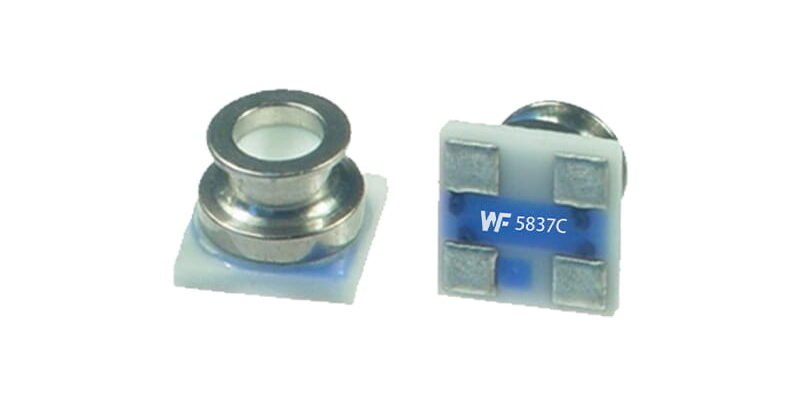
La misurazione della pressione è fondamentale per innumerevoli applicazioni industriali, dai processi produttivi alla ricerca scientifica. Questa guida demistifica la relazione tra pressione assoluta e pressione del vuoto, fornendo spunti pratici per selezionare e utilizzare in modo efficace gli strumenti di misurazione della pressione. Esploreremo cosa succede quando si misurano le condizioni di vuoto e come funzionano i sensori di pressione assoluta in questi ambienti.
Catalogare
Introduzione alla misurazione della pressione
La misurazione della pressione è essenziale in numerosi settori e applicazioni. Dal garantire la sicurezza dei recipienti a pressione all'ottimizzazione dell'efficienza del processo, un adeguato monitoraggio della pressione può fare la differenza tra operazioni regolari e guasti catastrofici. Tuttavia, per utilizzare in modo efficace le misurazioni della pressione, è necessario prima comprendere i diversi tipi di pressione e il modo in cui sono correlati tra loro
Nel settore della strumentazione per la pressione, la confusione tra pressione assoluta, relativa e vuoto è molto comune. Questa confusione spesso porta a una selezione errata del misuratore, a un'errata interpretazione delle letture e, in definitiva, a inefficienze di processo o problemi di sicurezza.
La pressione è fondamentalmente definita come forza per unità di area. Tuttavia, il modo in cui misuriamo e facciamo riferimento a questa forza crea diversi tipi di pressione. Il punto di riferimento che scegliamo è di fondamentale importanza – cambia non solo i numeri che vediamo, ma il modo in cui interpretiamo e utilizziamo tali misurazioni
Prima di approfondire la questione della pressione assoluta nei sistemi per vuoto, è essenziale stabilire una solida base per quanto riguarda i tipi di pressione di base e i relativi punti di riferimento. Questa comprensione servirà come base per discussioni più complesse in questo articolo.
Cos'è la pressione assoluta?
La pressione assoluta si riferisce alla pressione misurata rispetto alla pressione zero assoluta – un vuoto perfetto dove non esistono molecole che esercitino alcuna pressione. Questo concetto è fondamentale per comprendere tutte le misurazioni della pressione poiché fornisce un punto di riferimento immutabile
Al livello del mare, la pressione atmosferica standard è di circa 14,7 psi (libbre per pollice quadrato) o 101,325 kPa (kilopascal) in termini assoluti. Ciò significa che anche quando si legge un manometro standard “zero,” in realtà stiamo sperimentando circa 14,7 psi di pressione dall'atmosfera intorno a noi
La caratteristica fondamentale della pressione assoluta è che non può mai essere negativa. Poiché si riferisce al vuoto perfetto (che è zero), tutte le letture della pressione assoluta devono essere positive. Anche nel vuoto più profondo che possiamo creare con la tecnologia moderna, sono ancora presenti alcune molecole, che esercitano una piccola quantità di pressione.
La pressione assoluta (Pabs) può essere espressa matematicamente come:
Pabs = Pgauge + Patmosferico
Dove:
Pgauge è la lettura della pressione su un indicatore standard
Patmosferica è la pressione atmosferica locale (circa 14,7 psi a livello del mare)
Vale la pena notare che la pressione atmosferica varia in base all’altitudine e alle condizioni meteorologiche. Ad altitudini più elevate, la pressione atmosferica diminuisce in modo significativo. I sistemi meteorologici possono anche causare fluttuazioni della pressione barometrica, che possono influire sulle letture della pressione assoluta se non tenute in considerazione
Comprensione della pressione del vuoto
La pressione del vuoto rappresenta una pressione inferiore alla pressione atmosferica circostante. In termini pratici, è una pressione relativa negativa, che indica l'aspirazione o il “tirare” Effetto che associamo ai vuoti
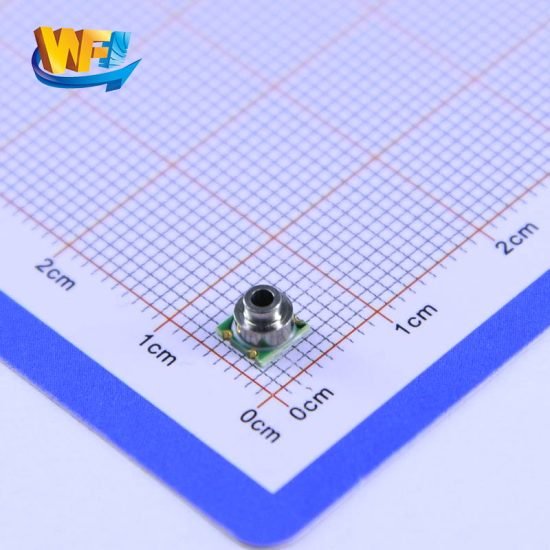
Quando si parla di pressione del vuoto, è importante riconoscere che utilizziamo ancora la pressione atmosferica come punto di riferimento. Un vuoto perfetto verrebbe registrato come -14,7 psi su una scala di pressione relativa a livello del mare (o qualunque sia la pressione atmosferica locale)
La pressione del vuoto viene generalmente misurata in unità diverse rispetto alla pressione positiva, aggiungendo un ulteriore livello di potenziale confusione. Le unità di aspirazione comuni includono:
Pollici di mercurio (inHg)
Torr (1 Torr = 1 mmHg)
Micron (1 micron = 0,001 Torr)
Percentuale di aspirapolvere
La relazione tra pressione del vuoto e pressione assoluta è semplice ma spesso fraintesa. Un vuoto completo (anche se praticamente irraggiungibile) si registrerebbe come:
0 psia (pressione assoluta)
-14,7 psig (pressione relativa al livello del mare)
Vuoto di 30 inHg (pollici di mercurio)
Nelle applicazioni industriali, le pressioni del vuoto sono comunemente utilizzate in processi come distillazione, filtrazione, liofilizzazione e confezionamento. Ogni applicazione ha requisiti di vuoto specifici, rendendo fondamentale la misurazione corretta.
Relazione tra pressione assoluta e sotto vuoto
La relazione tra pressione assoluta e pressione del vuoto è fondamentale per comprendere i sistemi di misurazione della pressione. Come accennato in precedenza, sono essenzialmente modi diversi di descrivere la stessa realtà fisica, solo con punti di riferimento diversi
Chiariamo questa relazione con alcuni esempi:
Un vuoto perfetto (in teoria):
Pressione assoluta: 0 psia
Pressione del vuoto: 30 inHg (a livello del mare)
Pressione atmosferica al livello del mare:
Pressione assoluta: 14,7 psia
Pressione del vuoto: 0 inHg
50% di vuoto al livello del mare:
Pressione assoluta: circa 7,35 psia
Pressione del vuoto: 15 inHg
La relazione matematica può essere espressa come:
Pabsolute = patmosferico – Pvacuum
Dove pvacuum è espresso nelle stesse unità di patmosferico
È importante notare che mentre ne parliamo comunemente “pressione del vuoto,” questo termine può essere fuorviante in quanto il vuoto rappresenta in realtà l'assenza di pressione. Più precisamente, ciò che chiamiamo pressione di vuoto è la differenza di pressione tra il sistema e l'atmosfera circostante.
Quando si convalidano i sistemi di contenimento nelle camere bianche farmaceutiche, capire che ciò che stiamo misurando è realmente un differenziale di pressione piuttosto che un vuoto assoluto aiuta i tecnici a impostare correttamente le apparecchiature di monitoraggio e a interpretare correttamente i risultati.
Come funziona un sensore di pressione assoluta?
I sensori di pressione assoluta sono strumenti specializzati progettati per misurare la pressione relativa al vuoto perfetto. A differenza dei sensori di pressione relativa che utilizzano la pressione atmosferica come riferimento, i sensori di pressione assoluta utilizzano una camera di riferimento sigillata contenente un vuoto spinto o una pressione di riferimento nota
Il principio di funzionamento di base di un sensore di pressione assoluta prevede:
Un elemento sensibile (membrana, soffietto o tubo Bourdon) che si deforma sotto pressione
Una camera di riferimento sigillata evacuata al vuoto quasi perfetto
Un meccanismo per convertire la deformazione meccanica in un segnale elettrico
Componenti elettronici per l'elaborazione del segnale e la generazione di uscita
I moderni sensori di pressione assoluta utilizzano in genere una delle diverse tecnologie:
Sensori piezoresistivi: contengono un diaframma in silicio con resistori incorporati che cambiano resistenza quando il diaframma si deforma sotto pressione. Sono comuni nelle applicazioni industriali grazie alla loro robustezza e precisione.
Sensori capacitivi: misurano la pressione rilevando le variazioni di capacità tra un diaframma flessibile e una piastra fissa al variare della pressione. Eccellono nelle applicazioni a bassa pressione che richiedono un'elevata sensibilità.
Sensori risonanti: misurano la pressione rilevando i cambiamenti nella frequenza di risonanza di un elemento vibrante al variare della pressione. Offrono stabilità e precisione eccellenti ma a un costo più elevato.
Sensori ottici: utilizzano l'interazione della luce con un elemento sensibile alla pressione per determinare la pressione. Sono ideali per ambienti con interferenze elettromagnetiche.
Nello specifico, per la misurazione del vuoto, vacuometri specializzati come termocoppie, misuratori di ionizzazione o manometri Pirani possono essere utilizzati per pressioni molto basse dove i sensori di pressione assoluta standard potrebbero non avere risoluzione.
Quando si monitorano le camere a vuoto per la deposizione di vapore nella produzione di semiconduttori, i misuratori di ionizzazione forniscono la precisione necessaria a pressioni estremamente basse (sotto 10^-3 Torr), mentre i sensori capacitivi funzionano meglio per le fasi del processo a pressione più elevata.
Applicazioni di misurazione della pressione assoluta
La misurazione della pressione assoluta svolge un ruolo cruciale in numerosi settori e applicazioni. Capire quando e perché è necessaria la misurazione della pressione assoluta può aiutarti a prendere decisioni migliori nel tuo contesto specifico
Ecco alcune applicazioni chiave in cui la misurazione della pressione assoluta è particolarmente importante:
Previsioni meteorologiche e altimetria
La pressione barometrica, misurata come pressione assoluta, è fondamentale per le previsioni meteorologiche. I meteorologi monitorano questi cambiamenti di pressione per prevedere i modelli meteorologici e le tempeste. Allo stesso modo, gli altimetri degli aerei utilizzano misurazioni della pressione assoluta per determinare l'altitudine in base alla relazione tra pressione ed elevazione.
Elaborazione e imballaggio del vuoto
Settori come quello dell'imballaggio alimentare, della produzione farmaceutica e della produzione di semiconduttori fanno molto affidamento sui processi del vuoto. I sensori di pressione assoluta garantiscono il mantenimento di livelli di vuoto precisi per la qualità del prodotto e l'efficienza del processo1.
Ad esempio, nel confezionamento degli alimenti, il mantenimento del corretto livello di vuoto è essenziale per prolungare la durata di conservazione. Un vuoto insufficiente potrebbe causare deterioramenti, mentre un vuoto eccessivo potrebbe danneggiare i prodotti delicati.
Sistemi HVAC e refrigerazione
I sistemi di riscaldamento, ventilazione, condizionamento dell'aria e refrigerazione utilizzano misurazioni della pressione assoluta per monitorare la pressione del refrigerante, ottimizzare il funzionamento del compressore e garantire l'efficienza del sistema. La relazione tra pressione e temperatura nei refrigeranti rende fondamentale il monitoraggio della pressione assoluta per questi sistemi.
Ricerca di laboratorio
La ricerca scientifica spesso richiede un controllo e una misurazione precisi delle condizioni di pressione. Dalla deposizione di vapori chimici alla distillazione sotto vuoto, le misurazioni della pressione assoluta forniscono ai ricercatori i dati necessari per esperimenti riproducibili e risultati accurati.
Aerospaziale e aviazione
Oltre all'altimetria, le applicazioni aerospaziali richiedono misurazioni della pressione assoluta per il monitoraggio delle prestazioni del motore, i sistemi di pressurizzazione della cabina e il test dei componenti in varie condizioni di pressione. Gli ambienti operativi estremi nel settore aerospaziale rendono la misurazione affidabile della pressione assoluta essenziale per la sicurezza e le prestazioni.
Negli autorespiratori medici critici, i sensori di pressione assoluta garantiscono un'erogazione costante della terapia sia che il dispositivo venga utilizzato al livello del mare o in luoghi ad alta quota, poiché le misurazioni rimangono coerenti indipendentemente dalle condizioni atmosferiche ambientali.
Scegliere il giusto manometro per le tue esigenze
La selezione del manometro o del sensore appropriato è fondamentale per misurazioni accurate e un controllo ottimale del processo. La scelta tra strumenti per pressione assoluta, relativa o composta dipende dai requisiti specifici dell'applicazione.
Quando utilizzare calibri di pressione assoluti
Considerare l'utilizzo di strumenti per la pressione assoluta quando:
Sono necessarie misurazioni indipendenti dalle fluttuazioni della pressione atmosferica
La tua applicazione prevede processi di vuoto in cui è importante il riferimento al vuoto perfetto
Stai lavorando con sistemi sigillati in cui il riferimento atmosferico non è disponibile
Le tue misurazioni devono essere comparabili a diverse altitudini o condizioni meteorologiche.
Quando utilizzare gli indicatori del vuoto
I vacuometri sono più appropriati quando:
Sei principalmente interessato al livello di vuoto rispetto all'atmosfera
Il tuo processo opera interamente al di sotto della pressione atmosferica
Devi visualizzare il livello del vuoto in unità familiari come pollici di mercurio
Stai risolvendo i sistemi di vuoto o rilevando perdite
Le applicazioni comuni includono servizi HVAC, sistemi di pompaggio per vuoto, confezionamento sottovuoto e processi di filtrazione.
Considerazioni pratiche di selezione
Oltre al tipo di misurazione della pressione, quando si selezionano gli strumenti di pressione considerare questi fattori:
Requisiti di precisione: quanto precise devono essere le vostre misurazioni?
Intervallo di pressione: quali sono le pressioni minima e massima che è necessario misurare?
Condizioni ambientali: temperatura, umidità, vibrazioni ed elementi corrosivi
Requisiti di uscita: hai bisogno di un display locale, di un'uscita elettrica o di entrambi?
Requisiti di sicurezza: protezione da sovrapressione, design a sicurezza intrinseca per aree pericolose
Vincoli di budget: bilanciare le esigenze prestazionali con considerazioni sui costi.
Nell'ottimizzazione del processo di fermentazione nei birrifici, l'utilizzo di sensori di pressione assoluta invece di sensori di pressione manometrica standard può eliminare le variazioni causate dalle variazioni della pressione barometrica, con conseguente miglioramento della consistenza del lotto.
Conclusione
Comprendere la relazione tra pressione assoluta e pressione del vuoto è essenziale per una corretta misurazione, interpretazione e applicazione nei processi industriali. Per riassumere i punti chiave:
La pressione assoluta viene misurata rispetto al vuoto perfetto (pressione zero) e non può mai essere negativa
La pressione del vuoto viene misurata rispetto alla pressione atmosferica e rappresenta la pressione al di sotto dell'atmosfera
La pressione assoluta in un sistema a vuoto è uguale alla pressione atmosferica meno la pressione del vuoto
Applicazioni diverse richiedono diversi tipi di misurazione della pressione – assoluto, relativo, vuoto o composto
La scelta dello strumento di pressione appropriato dipende dalle esigenze applicative specifiche e dalle condizioni ambientali.
Che tu stia progettando sistemi per il vuoto, risolvendo problemi relativi alla pressione o ottimizzando processi industriali, una chiara comprensione di questi concetti di pressione migliorerà il tuo processo decisionale e i tuoi risultati.
Ricordare che, sebbene la moderna strumentazione per la pressione sia altamente sofisticata, i concetti fondamentali rimangono semplici – si tratta solo di scegliere il giusto punto di riferimento per le tue misurazioni e di capire come i diversi tipi di pressione si relazionano tra loro.
Con l’avanzare della tecnologia, stiamo assistendo a sviluppi entusiasmanti nella tecnologia di misurazione della pressione, tra cui la connettività wireless, la compensazione integrata della temperatura e la diagnostica intelligente. Queste innovazioni stanno rendendo la misurazione della pressione più accurata, conveniente e integrata con sistemi di controllo di processo più ampi che mai.
L'introduzione di cui sopra scalfisce solo la superficie delle applicazioni della tecnologia dei sensori di pressione. Continueremo a esplorare i diversi tipi di elementi sensore utilizzati nei vari prodotti, come funzionano e i loro vantaggi e svantaggi. Se desideri maggiori dettagli su ciò che viene discusso qui, puoi consultare il contenuto correlato più avanti in questa guida. Se hai poco tempo, puoi anche fare clic qui per scaricare i dettagli di queste guide Dati PDF del sensore del sensore di pressione dell'aria.
Per ulteriori informazioni su altre tecnologie di sensori, per favore Visita la nostra pagina dei sensori.