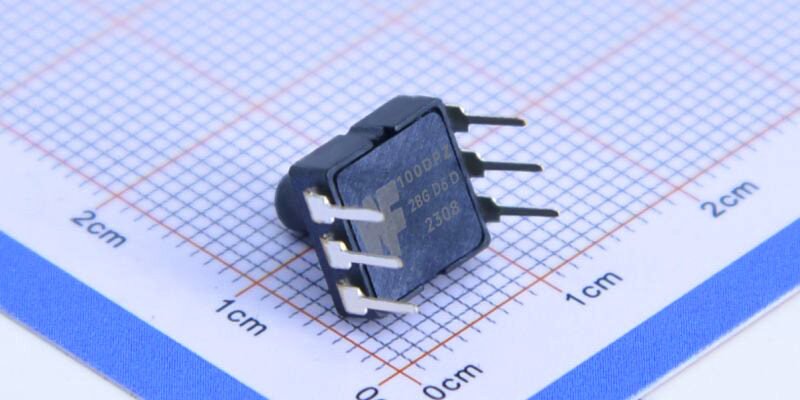
- Av WFsensorer
Scenhissar bär människor och rekvisita, och alla fel kan få allvarliga konsekvenser. Trycksensorer förvandlar osynliga faror till tydliga numeriska signaler genom att mäta förändringar i hydraulik, pneumatik eller spänning, och de kan utlösa säkerhetsåtgärder i styrsystemet. Analoga absoluttryckssensorer ger absoluta tryckavläsningar i förhållande till atmosfären, vilket hjälper till att undvika falska avläsningar orsakade av baslinjedrift. Tryckövervakningssensorer registrerar belastningstrender kontinuerligt, medan spänningssensorer övervakar linor eller kablar och täcker luckor som tryckavläsningarna kan missa. Tillsammans möjliggör dessa enheter överbelastningsdetektering, resespärrar och nödstopp, vilket minskar risken för olyckor.
Katalog
1. Designprinciper och implementeringsväg
Börja säkerhetsdesign genom att definiera riskenveloppet, välj sedan avkännings- och kontrollåtgärder som matchar. Sensorerna måste vara linjära och stabila över hela arbetsområdet, med tillräckligt snabb respons och god immunitet mot störningar. Analoga absoluttryckssensorer är användbara eftersom de refererar till atmosfärstryck naturligt; de kan upptäcka hydraulläckor eller kavitation tidigt. För hissar, placera tryckövervakningssensorer på viktiga hydrauliska eller pneumatiska ledningar och installera spänningssensorer på huvudlastbärande linor eller drivelement för att skapa redundant avkänning i flera punkter. Styrenheten bör filtrera, förstärka och digitalisera dessa analoga signaler, tillämpa tröskellogik och hantera felprioriteringar. Om avläsningar överskrider säkerhetsgränser, bör fördefinierade åtgärder - t.ex. sakta ner, stoppa, låsa läge eller ljuda larm - utföras omedelbart för att förhindra eskalering.
Sensorns räckvidd och respons
Välj intervall som täcker normal drift plus kortsiktiga stötmarginaler och välj sensorer vars responstid är snabbare än säkerhetsåtgärdsfönstret så att det finns tid att reagera. Driftsråd: välj ett område som täcker minst 1,2–1,5× den maximala arbetsbelastningen och inkludera en stötfaktor. Svarstiden bör vara kortare än kontrollåtgärdens latens - ofta under 10–50 ms beroende på systemets tröghet och ställdonets hastighet. Se till att sensorer motstår vibrationer och temperaturdrift för att hålla avläsningarna pålitliga.

2. Kontrollslingor och implementering av säkerhetsfunktioner
När du kopplar analoga absoluttryckssensorer till huvudstyrenheten, lägg brusdämpning och signalredundans i den analoga vägen. Hårdvaruförvärv med dubbla kanaler, logik för omröstning av programvara och periodiska självkontroller hjälper systemet att känna av risker även om en sensor misslyckas. Typiska säkerhetsfunktioner inkluderar överbelastningsdetektering, hastighet/förreglingskoordination och definierade begränsande åtgärder under onormala förhållanden. Gränslägesbrytare hanterar fortfarande färdändens säkerhet, men tryck- och spänningsdata gör att systemet kan förutsäga farliga förhållanden innan en gränslägesbrytare löser ut, vilket möjliggör smidigare, mer tillförlitliga stoppstrategier.
överbelastningsskyddsstrategi
Use at least two independent analogue acquisition channels and implement compare-and-vote logic in the controller. If the two channels differ beyond a tolerance, enter a degraded-safe mode and raise an alarm. Add temperature and supply-voltage monitoring on critical paths for self-test and to flag drift or impending failure. Those measures help the system decide when to replace or recalibrate components before safety is compromised.
3. Collaboration with limit and tension sensors
Trycksensorer är bra på att spåra lastförändringar i hydrauliska eller pneumatiska system; spänningssensorer fokuserar på rep- eller kabelbelastning. Att kombinera dem täcker både körsidan och strukturella fellägen. Om trycket ser onormalt ut men spänningen är normal, tyder det på ett driv- eller ställdonfel; om spänningen är borta medan trycket är bra, tyder det på ett strukturellt belastningsproblem. Använd dessa signaler med limitenheter för att skapa graderade svar: varna — sakta ner — stoppa — lås. Det hierarkiska tillvägagångssättet skyddar människor samtidigt som programmet håller igång där det är möjligt.
Nivåsvar och förreglingar
Definiera tre skyddsnivåer: en varningströskel som talar om för operatörerna och minskar hastigheten; en allvarlig tröskel som automatiskt stannar; och en nödtröskel som låser och larmar. Förreglingslogik bör prioritera säkerhet: alla kritiska sensorfel bör tvinga systemet till ett säkert degraderat tillstånd och blockera lyft. Detta förhindrar enpunktsfel från att orsaka farligt beteende.
4. Tillförlitlighetsverifiering och feldetektering
Enbart sensorer garanterar inte långsiktig säkerhet – du behöver en fullständig verifieringsplan. Detta omfattar fabrikskalibrering, baslinjekontroller på plats, regressionstester och periodisk diagnostik. Dataintegritetskontroller (CRC, tidsstämpelkonsistens, spikfiltrering) upptäcker kommunikation eller förvärvsfel. Kontrollanten bör implementera FMEA-härledda skyddsåtgärder och ställa in felsäkra värden för nyckeltröskelvärden. Kör drift- och termiska cykeltester på analoga absoluttryckssensorer för att kvantifiera underhållsintervaller och ersättningsscheman, vilket säkerställer att säkerhetsfunktionerna förblir effektiva under utrustningens livslängd.
Testprocedurer och kalibreringsschema
Fabrikskalibrering bör kunna spåras till en erkänd standard; efter installation gör noll- och fullskaliga kontroller och registrera baslinjeavläsningar. Utför ett funktionellt självtest var 6–12:e månad och verifiera tröskeltriggers; om du ser drift utanför toleransen, kalibrera om eller byt ut sensorn omedelbart.
5. Driftledning och restriskkontroll
Om du inte kan ta bort alla faror genom design, kombinera tekniska åtgärder med tydlig användarinformation för att minska kvarvarande risk. Fjärrövervakning ger kontinuerlig situationsmedvetenhet; historisk data stöder trendanalys och förutsägande underhåll. Utbildning och driftprocedurer är viktiga så att personalen på plats känner igen larm och följer nödåtgärder. Märk utrustningen med återstående riskinformation så att team kan agera snabbt i icke-standardiserade situationer. Att knyta tryckövervakningssensorer till en underhållsplattform tillåter reparationsschemaläggning innan fel inträffar, vilket minskar risken för olyckor.
Underhåll & fjärrdiagnostik
Distribuera kantdatasamlare för att logga tryckavläsningar och ladda upp dem till underhållsplattformen enligt schema. Använd tröskel- och trendregler för att skapa underhållsarbetsorder. Håll fullständiga loggar över viktiga händelser för rotorsaksanalys och kontinuerliga förbättringar.
Slutsats
Trycksensorer, och särskilt analoga absoluttryckssensorer, är centrala för en säker säkerhetsarkitektur för steglyft. Med rätt intervallval, dubbelkanalsinsamling och röstningslogik, snygg integration med spännings- och begränsningsanordningar och disciplinerad kalibrering och underhåll, kan du markant minska de största operativa riskerna. Ingen teknik tar bort risker helt, men genom att kombinera dessa sensorer med skiktade kontrollstrategier omvandlas okända faror till hanterbara händelser – vilket håller människor och utrustning säkrare och hjälper showen att fortsätta utan incidenter.
Ovanstående introduktion repar bara ytan på tillämpningarna av trycksensorteknologi. Vi kommer att fortsätta att utforska de olika typerna av sensorelement som används i olika produkter, hur de fungerar och deras fördelar och nackdelar. Om du vill ha mer information om vad som diskuteras här kan du kolla in det relaterade innehållet längre fram i den här guiden. Om du är tidspressad kan du också klicka här för att ladda ner detaljerna i denna guide Lufttryckssensor Produkt PDF -data.
För mer information om andra sensorteknologier, vänligen Besök vår Sensors -sida.