Catálogo
Como solucionar problemas de problemas comuns do sensor de pressão
Os sensores de pressão são um componente essencial em muitas aplicações industriais e comerciais, fornecendo medições de pressão em tempo real que são essenciais para controlar e monitorar vários processos. No entanto, como acontece com qualquer dispositivo mecânico, os sensores de pressão às vezes podem falhar. Neste artigo, forneceremos um guia sobre como solucionar problemas comuns de sensores de pressão, incluindo como diagnosticar e reparar sensores de pressão WF, bem como outros sensores.
Sem saída ou saída instável
Se o seu transdutor de pressão não tiver saída ou tiver uma saída irregular, pode haver um problema com as conexões elétricas do transdutor ou com o próprio transdutor. Verifique os pinos para ter certeza de que as conexões estão corretas e teste a tensão de saída do sensor com um multímetro ou módulo sensor de pressão de ar. Se a tensão estiver dentro da faixa especificada, o problema pode estar no próprio sensor. Neste caso, entre em contato com o suporte técnico da WFsensors para obter assistência.
Saída zero
Se a saída do seu transdutor de pressão for zero, pode haver um problema com as conexões elétricas do transdutor, com a tensão de alimentação do transdutor ou com os componentes eletrônicos internos do transdutor. Verifique o diagrama de pinagem da fiação e a tensão de alimentação para garantir que estejam conectados corretamente e dentro da faixa especificada. Se os pinos estiverem soldados e a tensão estiver correta, o problema pode estar na parte eletrônica interna do sensor. Neste caso, entre em contato com o suporte da fábrica para obter assistência.
Saída fora do alcance
Se a saída medida do seu transdutor de pressão estiver fora da faixa de pressão, pode ser devido a pressão excessiva, um transdutor com defeito ou um problema com a calibração do transdutor. Verifique a pressão para ter certeza de que está dentro da faixa nominal do sensor. Se a pressão estiver dentro da faixa especificada, o problema pode estar no sensor ou em sua calibração. Neste caso, a fábrica pode ser contatada para um novo sensor de pressão de ar.

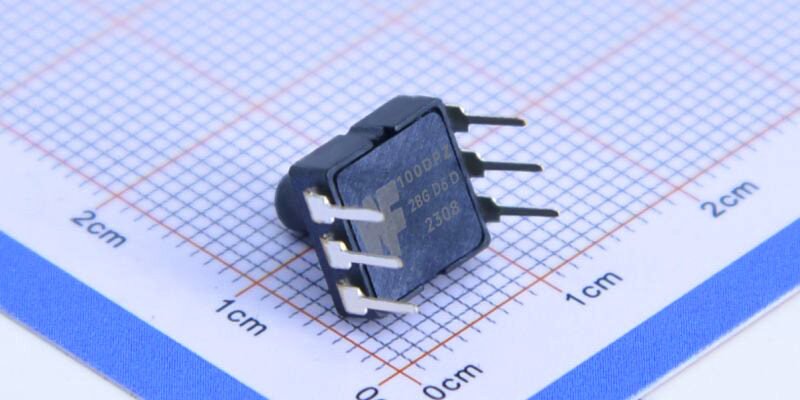
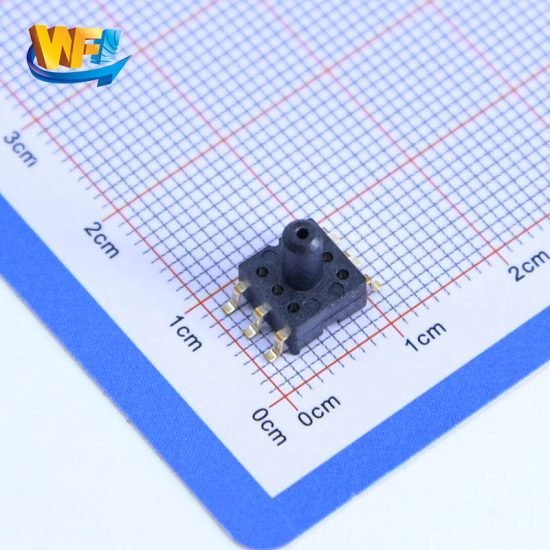
Observação: a definição de conexões é a mesma para produtos de pacote SOP e DIP
Resposta lenta ou tardia
Se o seu transdutor de pressão tiver uma resposta lenta ou atrasada, isso pode ser devido a um problema com os componentes eletrônicos, a fiação ou a calibração do transdutor. Verifique as conexões da fiação para garantir que estejam corretas e livres de corrosão. Verifique a calibração do sensor para garantir que esteja dentro dos limites especificados. Se as conexões dos pinos soldados e a calibração estiverem corretas, o problema pode estar nos componentes eletrônicos internos do sensor.
Deriva de temperatura
Se o seu transdutor de pressão estiver apresentando variação de temperatura, isso pode ser devido a um problema com o circuito de compensação do transdutor ou com a calibração do transdutor. Verifique a fiação dos pinos para garantir que as conexões estejam corretas e livres de corrosão. Verifique a calibração do sensor para ter certeza de que está dentro da faixa especificada. Se a fiação e a calibração estiverem corretas, o problema pode estar no circuito de compensação do sensor.
Por que os sensores de pressão falham?
Fatores ambientais
Ambientes adversos podem afetar significativamente o desempenho do sensor. A exposição a temperaturas extremas, umidade, substâncias corrosivas e vibrações pode acelerar o desgaste. Proteger o sensor com invólucros e revestimentos apropriados é essencial.
Overstress elétrico
Sobretensão elétrica, como picos de tensão ou descarga eletrostática (ESD), pode danificar os componentes eletrônicos internos do sensor. O aterramento adequado, a proteção contra surtos e o manuseio cuidadoso podem evitar esses problemas.
Contaminação
A presença de contaminantes, como poeira, óleo ou produtos químicos, pode obstruir a porta de pressão do sensor ou corroer suas peças internas. A limpeza regular e o uso de filtros podem evitar falhas relacionadas à contaminação.
Como solucionar problemas de problemas comuns do sensor de pressão
Verificações iniciais
Inspeção visual: Verifique se há danos visíveis, como rachaduras, corrosão ou conexões soltas.
Fiação: Certifique-se de que todas as conexões de fiação estejam seguras e corretamente instaladas de acordo com a folha de dados do sensor.
Fonte de energia: Verifique se o sensor está recebendo a tensão de alimentação correta. Muitas vezes, é uma voltagem inadequada.
Verificações de pressão
Aplique pressão conhecida: Use uma fonte de pressão calibrada para aplicar pressões conhecidas ao sensor.
Compare leituras: Compare a saída do sensor com os valores esperados. Qualquer desvio significativo indica um problema.
Verifique se há vazamentos: Certifique-se de que não haja vazamentos na linha de pressão ou nas conexões que possam afetar as leituras do sensor.
- Condicionamento de sinal: Verifique se há problemas no circuito de condicionamento de sinal, como amplificadores operacionais ou resistores com defeito.
Conclusão
A introdução acima apenas arranha a superfície das aplicações da tecnologia de sensores de pressão. Continuaremos a explorar os diferentes tipos de elementos sensores usados em vários produtos, como funcionam e suas vantagens e desvantagens. Se desejar mais detalhes sobre o que é discutido aqui, você pode verificar o conteúdo relacionado posteriormente neste guia. Se você está sem tempo, também pode clicar aqui para baixar os detalhes deste guia Dados PDF do produto do sensor de pressão de pressão de ar.
Para obter mais informações sobre outras tecnologias de sensores, por favor Visite nossa página de sensores.