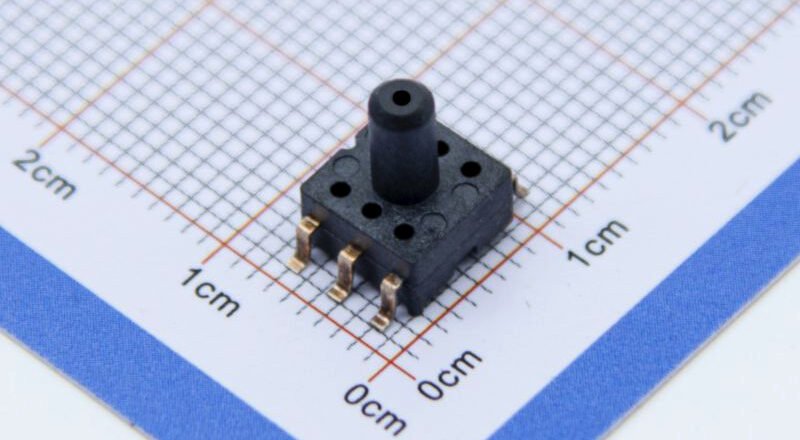
Каталог
Вовед во сензорите за притисок
Pressure sensors are crucial components in various industries, including automotive, industrial automation, consumer products, and medical devices. The global pressure sensor market is projected to reach nearly $24.5 billion by 2028, reflecting their increasing importance in modern technology1. Pressure sensors operate based on the principle of force applied over an area, which is essential for understanding their applications and functionality.
Разбирање на MEMS технологијата
MEMS (Micro-Electro-Mechanical Systems) technology is pivotal in the development of pressure sensors. MEMS sensors feature an elastic silicon diaphragm, which allows them to undergo repeated pressure cycling without altering their properties. This elasticity is beneficial as it minimizes hysteresis and creep, common issues in other sensor types
Предности на MEMS
Ефикасност на трошоците: Thousands of sensors can be produced on a single wafer, significantly reducing costs.
Флексибилност на дизајнирање: Having an in-house wafer fab allows for better control over the supply chain and design customization.
Сигурност: MEMS sensors are free from hysteresis and creep, ensuring consistent performance over time
Piezoresistive vs. Piezoelectric Sensors
Пиезорезивни сензори
Piezoresistive sensors operate by measuring changes in electrical resistance when subjected to pressure. They are known for their repeatability and versatility, making them suitable for various applications, including medical procedures like angioplasty
Пиезоелектрични сензори
Piezoelectric sensors generate an electric charge in response to mechanical stress. They are commonly used in applications requiring high sensitivity to vibrations and forces, such as in accelerometers and load sensors
For more guidance on piezoresistive vs. piezoelectric sensors, check out this article link:https://wfsensors.com/blog/use-and-function-of-mems-piezoresistive-pressure-sensorscomprehensive-guide.html/
Апликации на сензори за притисок
Pressure sensors are used across multiple industries:
Автомобилство: For engine management and safety systems.
Нуркање: To monitor depth and ensure safe ascent and descent times.
Е-велосипеди: Integrated into shocks and tires to enhance performance.
Медицински: In procedures like angioplasty to monitor balloon inflation
MEMS Pressure Sensors: Design and Functionality
Апсолутни сензори: Measure pressure relative to a vacuum reference.
Сензори за мерачи: Measure pressure relative to atmospheric pressure
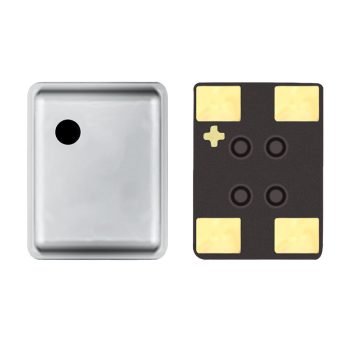
Видови сензори за притисок на MEMS
MEMS pressure sensors feature a Wheatstone bridge diffused into a silicon diaphragm. The output change from this bridge corresponds to changes in applied pressure. The diaphragm’s thickness is adjusted based on the required pressure range
Фактори кои влијаат на точноста на сензорот за притисок
Accuracy in pressure sensors is crucial, especially in applications requiring precise measurements. Factors influencing accuracy include:
Температура: Changes in temperature can affect sensor sensitivity and resistance.
Стрес: External stresses during packaging can impact sensor performance over time
Постигнување точност
Калибрација: Essential for ensuring accuracy.
Компензирани сензори: Use onboard ASICs to simplify calibration and improve accuracy
Избирање на вистинскиот сензор за притисок
When choosing a pressure sensor, consider the following factors:
Опсег на притисок: Ensure the sensor can handle the required pressure range.
Услови на животната средина: Consider temperature, humidity, and potential stressors.
Тип на апликација: Determine if an absolute, gauge, or differential sensor is needed
Заклучок
Pressure sensors, particularly those utilizing MEMS technology, play a vital role in modern industries. Understanding the differences between piezoresistive and piezoelectric sensors, as well as the design and functionality of MEMS sensors, is essential for selecting the right sensor for specific applications. By considering factors like accuracy, environmental conditions, and application type, users can ensure optimal performance and reliability in their systems.
Активно совети
Проценете ги вашите потреби: Determine the pressure range and environmental conditions for your application.
Изберете го вистинскиот тип на сензор: Decide between piezoresistive and piezoelectric based on your application’s requirements.
Размислете за калибрација: Ensure your sensor is properly calibrated for accurate measurements.
By following these steps and understanding the principles behind pressure sensors, you can effectively integrate them into your projects and achieve reliable results.
Горенаведениот вовед само ја гребе површината на апликациите на технологијата на сензорот за притисок. Ќе продолжиме да ги истражуваме различните типови на сензорски елементи што се користат во различни производи, како тие функционираат и нивните предности и недостатоци. Ако сакате повеќе детали за она што се дискутира овде, можете да ја проверите поврзаната содржина подоцна во ова упатство. Ако сте притиснати за време, можете исто така да кликнете овде за да ги преземете деталите за овој водич Податоци за производ на сензорот за притисок на воздухот PDF.
За повеќе информации за други технологии на сензори, ве молиме Посетете ја страницата на нашите сензори.