
실시간 진공 펌프 누출 감지 & 압력 센서를 이용한 예방
온도 데이터와 연결된 소형의 고정밀 감지 솔루션은 진공 펌프 시스템에 대한 지속적인 압력 모니터링 및 조기 누출 경고를 제공하여 안정성을 향상시키고 가동 중단 위험을 줄입니다.

온도 데이터와 연결된 소형의 고정밀 감지 솔루션은 진공 펌프 시스템에 대한 지속적인 압력 모니터링 및 조기 누출 경고를 제공하여 안정성을 향상시키고 가동 중단 위험을 줄입니다.

필터가 막히면 샘플 흐름이 줄어들고 측정 오류가 발생합니다. 센서를 사용하여 필터 양쪽의 압력을 측정하고 이를 전기 신호로 변환하면 조기 경고 및 유지 관리 메시지를 설정하여 샘플링 및 감지 시스템을 안정적으로 실행할 수 있습니다.

의료 기기용 정확한 혈압 센서를 만들려면 민감한 구성 요소, 패키징, 신호 조절, 범위 선택, 규정 준수 테스트 및 시스템 통합 간의 균형을 찾아야 합니다.

배압이란 하류측이나 출구측에서 유체 흐름의 방향에 대해 작용하는 저항 또는 압력을 말합니다. 배압 측정은 반대되는 저항/압력을 실시간으로 모니터링하고 정량화하는 것입니다.
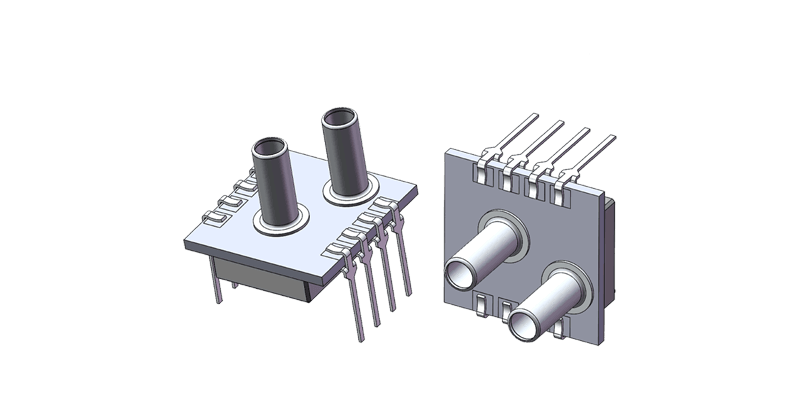
MEMS 기압 센서 제조 공정의 일반적인 흐름에는 웨이퍼 고정(테이프 마운트), 다이싱, 검사, 다이 부착, 오븐 경화, 와이어 본딩, 몰딩, 몰드 경화, 도금, 마킹 및 트림/성형이 포함됩니다.
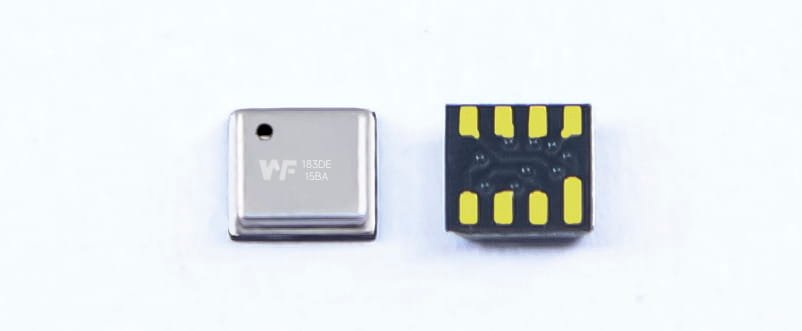
Waterproof Air pressure sensor let devices sense outside pressure without water damage. This piece covers MEMS designs, capacitive vs piezoresistive types, metal-lid/gel protection, I2C/SPI, temp compensation and production tests for watches, drones and home robots.
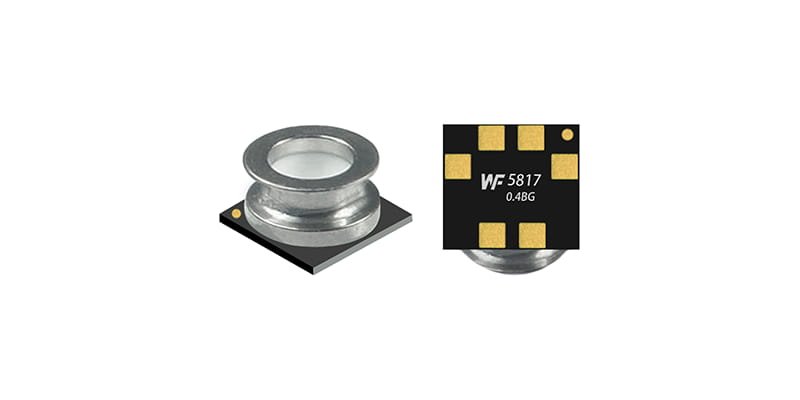
Dual-chip pressure sensors solve ultra-low-pressure drift by pairing two MEMS dies and using electrical and pneumatic cross-coupling. This approach boosts stability, improves linearity, and reduces long-term zero drift for high-precision pressure sensor modules.
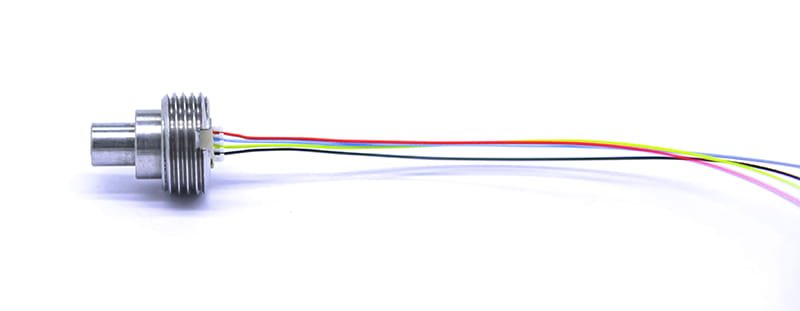
Engineering-level error analysis: systematic breakdown of how supply, amplifier, sensing element and A/D limits affect accuracy, with practical design and compensation steps to improve high-precision sensor performance.

High-resolution absolute pressure sensor solution covering sensor choice, low-noise front end, power stabilisation, dynamic temperature compensation and anomaly detection to ensure long-term stable pressure data.
-e1747998312687.jpg)
SMT pressure sensors are favoured in modern control systems for their tiny footprint and compatibility with surface-mount assembly and automated soldering. They don’t just convert pressure into an electrical signal — they actively feed control decisions. For automated equipment, sensor reliability directly affects control stability and equipment safety.
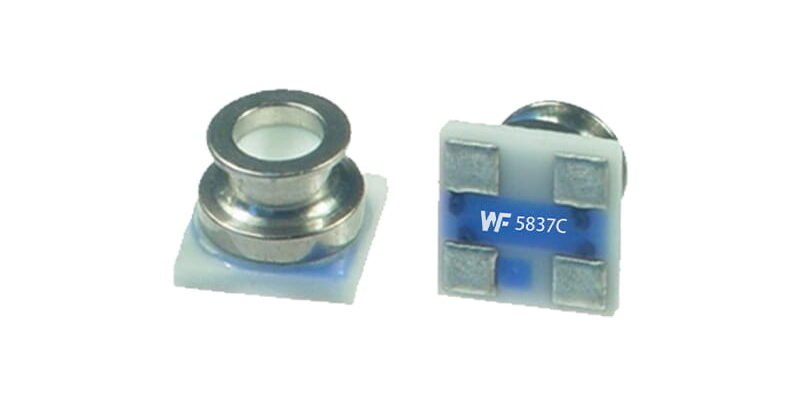
This piece looks at measuring UAV flight parameters with pressure sensors. It explains how airborne pressure readings give you altitude and speed, outlines system makeup, placement tips, signal processing, calibration approaches and validation methods.

Pressure sensors act as the depth-sensing hub for underwater cameras: they deliver depth and pressure data, enable image-parameter adaptation, support housing safety and feed motion control and long-term health monitoring.

비부식성 가스 환경에서 안정적으로 안정적인 디지털 센서는 잘못된 경보를 줄이고, 불필요한 유지 관리를 방지하며, 수년에 걸쳐 시스템 동작을 예측 가능하게 만듭니다.

This piece looks at how pressure sensors help make robots more adaptable. It focuses on the tactile and internal feedback pressure sensors provide, covering sensor types, integration strategies, signal processing and design factors.
Digital MEMS pressure sensors in BP monitors give direct calibrated digital output, built-in temp compensation, and redundancy for safer, repeatable readings. They simplify hardware, cut interference, save power, and suit portable home devices.