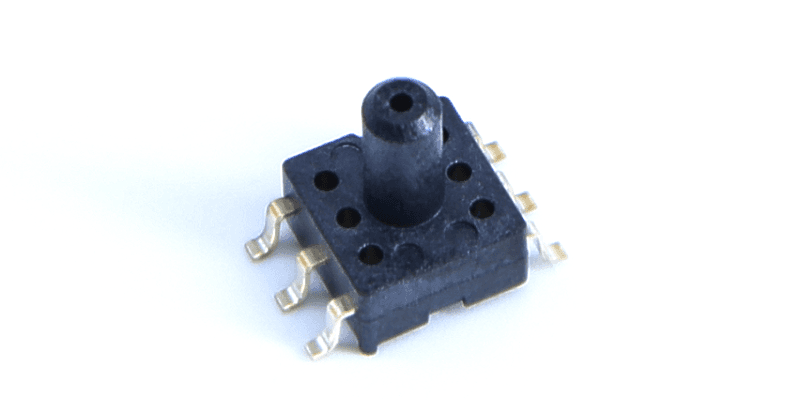
현대의 진공 펌프는 더 이상 단순히 흡입을 생성하는 데 국한되지 않고 스마트하고 정밀한 제어를 향해 진화하고 있습니다. 고정밀 압력 센서를 통합함으로써 진공 펌프 시스템은 음압을 실시간으로 모니터링하고 출력을 동적으로 조정할 수 있어 안정적인 작동과 정확한 측정을 보장하는 동시에 장비 위험을 최소화할 수 있습니다. 이 기사에서는 진공 펌프 압력 센서(예: WF100E 시리즈, 첨단 기술을 활용하여 고정밀 음압 측정을 달성하고 산업, 의료 및 IoT 환경의 애플리케이션을 혁신합니다.
목록
압력 센서의 작동 방식
진공 펌프의 핵심은 정확한 압력 측정이 필요한 작업인 안정적인 부압을 생성하고 유지하는 능력입니다. WF100E 시리즈 센서는 CMOS 혼합 신호 처리와 결합된 최첨단 MEMS 기술을 사용하여 모든 측정이 높은 정확도 표준을 충족하도록 보장합니다. 운영의 주요 측면은 다음과 같습니다.
실시간 압력 모니터링
센서는 물리적 압력을 표준 출력 범위 0.2~4.7V의 전기 전압 신호로 변환합니다. 수식 사용

그것은 음압을 정확하게 계산합니다.
온도 보상 및 장기 안정성
-40°C ~ 125°C의 넓은 온도 범위에서 작동하는 이 센서는 높은 선형성(<0.5% FS 오류)과 낮은 제로 드리프트(±0.03 FS/°C)를 유지하여 다양한 환경 조건에서 안정적인 성능을 보장합니다.
신호 조절 및 데이터 전송
통합 신호 컨디셔닝 ASIC은 원시 신호를 증폭하고 수정하여 동적 부압 조절을 위해 표준 인터페이스(예: I2C 또는 SPI)를 통해 제어 시스템으로 데이터를 전송합니다.
지능형 부압 제어의 중요성
많은 응용 분야에서 음압 측정은 시스템의 효율성뿐만 아니라 안전성과 사용자 편의성에도 영향을 미칩니다.
정밀 제어
실시간 데이터 피드백을 통해 진공 펌프는 흡입을 자동으로 조정하여 최적 범위 내에서 부압을 유지하고 흡입이 과도하거나 부족하여 발생하는 문제를 방지할 수 있습니다.
향상된 시스템 효율성
동적 흡입 조정을 통해 작업 반응성이 향상되고 작업 주기가 단축되며 에너지 소비가 감소하고 장비 수명이 길어집니다.
스마트 데이터 관리
IoT 기술과 결합하면 센서는 실시간 데이터를 클라우드 플랫폼으로 전송할 수 있어 사용자나 기술자가 보다 스마트한 제조 및 원격 모니터링을 위해 작동 매개변수를 분석하고 최적화할 수 있습니다.
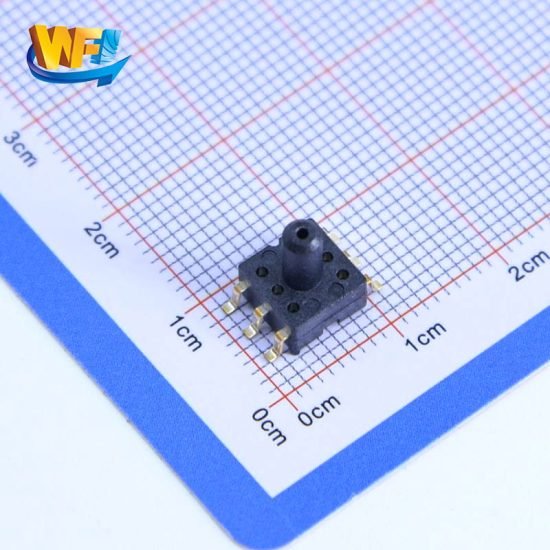
진공 펌프 시스템에서 압력 센서의 역할
압력 센서는 진공 펌프 시스템에서 중요한 역할을 하며 다음과 같은 주요 이점을 제공합니다.
음압 변화의 실시간 모니터링
모든 압력 변동을 정확하게 측정하면 시스템에 대한 신뢰할 수 있는 데이터 기반이 제공됩니다.
자동 흡입 조정
실시간 데이터를 기반으로 시스템은 흡입을 신속하게 조절하여 음압을 사전 설정된 범위 내로 유지함으로써 전반적인 안정성을 향상시킬 수 있습니다.
데이터 로깅 및 원격 관리
시각화 플랫폼을 통해 사용자는 기록 데이터를 추적하고, 시스템 성능을 분석하고, 잠재적인 문제를 사전에 해결할 수 있습니다.
최적화 된 엔지니어링 및 유지 보수
고도로 통합되어 회로 복잡성이 줄어들고 시스템 설계가 단순화되며 유지 관리 노력이 간소화됩니다.
진공 센서의 세부 작동 매개변수(보충)
전반적인 시스템 역할을 바탕으로 진공 센서는 진공 펌프가 다양한 조건에서 안정적이고 효율적으로 작동하도록 보장하기 위해 일련의 엄격한 엔지니어링 요구 사항도 충족해야 합니다. 특히 센서는 다음 기능으로 설계되었습니다.
압력 측정 범위:
일반적으로 범위 내에서 작동하도록 설계되었습니다 -100kPa ~ 0kPa, 대부분의 진공 펌프 응용 분야에 대한 적용 범위를 보장합니다.
정확성:
센서는 내에서 본격적인 오류를 유지합니다 ± 1% 낮은 제로 드리프트와 결합된 스팬(± 0.03 fs/℃) 장기적인 고정밀 측정을 제공합니다.
해결:
0.2~4.7V의 표준 출력 범위와 변환 공식을 활용하여 각 증분 전압 변화는 미묘한 압력 변화에 대응하므로 센서는 작은 변동도 효과적으로 감지할 수 있습니다(0.001kPa 분해능).
응답률:
고급 MEMS 기술과 통합 신호 컨디셔닝을 활용하는 이 센서는 1ms 실시간 압력 변화를 포착하고 동적 부하 요구 사항을 충족하며 신속한 흡입 조정을 가능하게 하는 응답 기능입니다.
작동 온도 보상:
-40°C ~ 125°C의 견고한 작동 범위를 갖춘 센서에 내장된 온도 보상 메커니즘은 온도 변동이 측정 정확도에 미치는 영향을 최소화하여 다양한 환경에서 높은 선형성과 정밀도를 보장합니다.
결론
진공 펌프 시스템에 압력 센서가 통합되면서 기존 흡입 제어에서 스마트하고 정밀한 관리로 전환되고 있습니다. WF100E 시리즈로 대표되는 고정밀 센서는 실시간 측정, 자동 조정 및 온도 보상 기능이 뛰어나 다양한 산업 분야에서 안전하고 효율적이며 지능적인 솔루션을 제공합니다. 기술이 발전함에 따라 이러한 스마트 시스템은 산업 자동화, 의료 및 IoT 애플리케이션에서 훨씬 더 큰 역할을 수행하여 혁신과 신뢰성에 대한 새로운 기준을 세울 것으로 예상됩니다.
위의 소개는 압력 센서 기술 적용의 표면적인 부분에 불과합니다. 우리는 다양한 제품에 사용되는 다양한 유형의 센서 요소, 작동 방식, 장점과 단점을 계속해서 탐구할 것입니다. 여기에서 논의된 내용에 대해 더 자세히 알아보려면 이 가이드 뒷부분의 관련 콘텐츠를 확인하세요. 시간이 촉박한 경우 여기를 클릭하여 이 가이드의 세부정보를 다운로드할 수도 있습니다. 공기 압력 센서 제품 PDF 데이터.
다른 센서 기술에 대한 자세한 내용은 다음을 참조하십시오. 센서 페이지를 방문하십시오.