목록
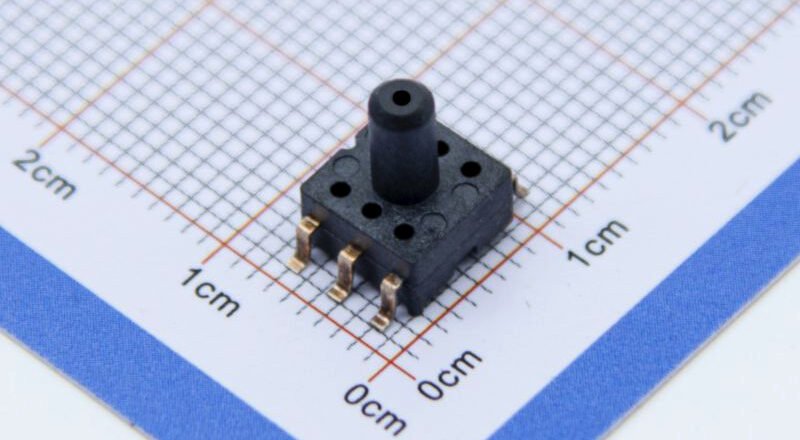
Oxygen concentrators rely on precise pressure control for safe, effective operation. MEMS pressure sensors monitor real-time pressure changes, ensuring molecular sieve systems operate efficiently while maintaining stable oxygen output and providing fault detection capabilities.
1. Core Functions of MEMS Pressure Sensors in Oxygen Concentrators
압축기 압력 모니터링 및 보호
Oxygen concentrators compress air to 0.4-0.6 MPa operating range. Pressure sensors continuously monitor compressor output, ensuring operation within safe, efficient parameters. When detecting pressure anomalies, sensors trigger immediate alarms or automatic shutdown protection, preventing pipeline rupture from excessive pressure while avoiding efficiency loss from insufficient pressure. High-precision measurement maintains pressure control accuracy within ±1%, ensuring optimal compressor performance.
분자 체 흡착주기 제어
Dual-tower alternating systems require pressure sensors to monitor adsorption tower pressure changes, determining when molecular sieves complete nitrogen adsorption or require desorption regeneration. When sensors detect specific tower pressure reaching preset thresholds, control systems automatically switch airway valves, achieving 10-15 second adsorption-desorption cycles. This pressure-feedback control ensures molecular sieves operate optimally, maintaining ≥90% oxygen purity medical standards.

2. Oxygen Output Pressure Stability Mechanisms
산소 저수지 압력 관리
Continuous pressure monitoring maintains oxygen reservoir pressure within 20-50 kPa range. Sensors coordinate with flow control systems, automatically adjusting output valve openings based on oxygen demand, ensuring stable pressure across 1-5 L/min flow ranges. This dynamic management proves crucial for ventilator applications requiring precise oxygen concentration control, maintaining patient comfort through consistent pressure delivery.
환경 적응 압력 보상
High-altitude environments reduce atmospheric pressure, affecting concentrator efficiency. Pressure sensors detect environmental pressure changes, triggering adaptive compensation mechanisms. At 3000m elevation with approximately 70 kPa ambient pressure, systems automatically adjust compressor power or molecular sieve parameters, ensuring stable oxygen output across varying geographic conditions.
3. Fault Diagnosis and Preventive Maintenance
실시간 시스템 누출 감지
Pressure sensors compare pressure values across different system nodes, enabling real-time monitoring of pipeline leaks and blockages. Comparing compressor outlet and molecular sieve inlet pressures, abnormal pressure drops indicate leaks while excessive pressure rises suggest blockages. Multi-point pressure monitoring networks precisely locate fault positions, improving maintenance efficiency while enabling early fault warnings.
분자 체 성능 모니터링
Sensors monitor adsorption tower pressure change rates, assessing molecular sieve condition. Slow desorption pressure recovery or abnormal adsorption pressure increases indicate possible molecular sieve aging or contamination. Pressure-based performance evaluation provides scientific maintenance guidance, extending molecular sieve service life through predictive maintenance strategies.
4. Advanced MEMS Technology Applications
고정밀 압력 측정
Medical-grade MEMS pressure sensors achieve ±0.5%FS accuracy using piezoresistive or capacitive measurement principles. Sensors detect pressures from micropascals to hundreds of kilopascals, meeting diverse monitoring requirements. Miniaturized designs enable installation at critical locations without affecting overall equipment structure, while temperature compensation maintains accuracy across -40°C to +85°C operating ranges.
장기 안정성 및 신뢰성
Medical oxygen concentrators demand exceptional sensor stability. MEMS pressure sensors provide excellent long-term drift control with redundant dual-sensor designs enhancing system reliability. Anti-vibration and shock resistance enable operation in compressor mechanical vibration environments, with typical 10+ year service lives matching equipment lifespans.
5. Future Development Directions
Intelligent pressure control systems integrating AI algorithms will enable smarter pressure control strategies. Multi-sensor data fusion will provide comprehensive system status assessment, improving fault diagnosis accuracy. Cloud-based analysis platforms will enable remote monitoring and predictive maintenance, enhancing overall service quality while reducing energy consumption and operational costs.
결론
Pressure sensors perform critical pressure monitoring, system control, and fault prevention functions in oxygen concentrators. Through real-time monitoring of compressor pressure, controlling molecular sieve cycles, managing oxygen reservoir pressure, and detecting system faults, pressure sensors ensure pressure stability and safety. MEMS technology provides high precision, miniaturization, and long-term stability meeting stringent medical equipment requirements.
위의 소개는 압력 센서 기술 적용의 표면적인 부분에 불과합니다. 우리는 다양한 제품에 사용되는 다양한 유형의 센서 요소, 작동 방식, 장점과 단점을 계속해서 탐구할 것입니다. 여기에서 논의된 내용에 대해 더 자세히 알아보려면 이 가이드 뒷부분의 관련 콘텐츠를 확인하세요. 시간이 촉박한 경우 여기를 클릭하여 이 가이드의 세부정보를 다운로드할 수도 있습니다. 공기 압력 센서 제품 PDF 데이터.
다른 센서 기술에 대한 자세한 내용은 다음을 참조하십시오. 센서 페이지를 방문하십시오.