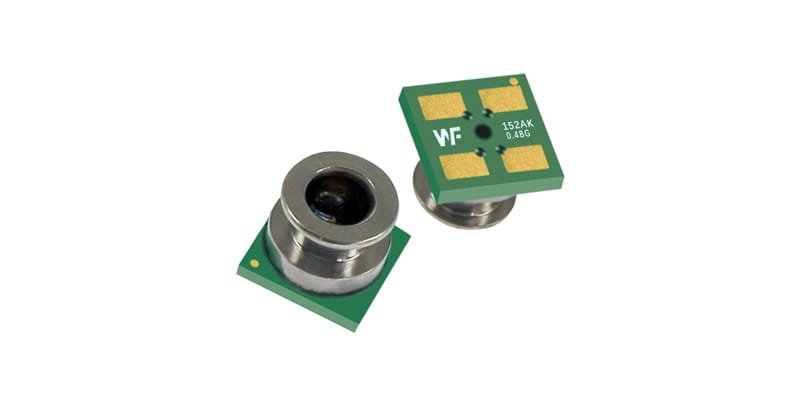
수중 카메라의 환경 압력 모니터링을 위한 압력 센서
수중 카메라의 압력 센서는 깊이 측정, 장치 보호, 이미지 품질 개선, 내비게이션 및 안전 경고 지원 등 실시간 환경 압력 모니터링의 핵심 작업을 수행합니다. 고정밀 수압 센서 및 부식 방지 패키징과 함께 밀리초 수준의 응답성과 장기 로깅을 제공하여 카메라가 안정적으로 작동하고 신뢰할 수 있는 데이터를 생성할 수 있습니다.
인공호흡기 압력 센서는 정밀한 인공호흡 제어와 환자 안전을 가능하게 하는 핵심 구성 요소입니다. 밀리초 수준의 압력 피드백을 제공하고 해당 데이터를 유량 센서와 융합함으로써 동적 흡기/호기 압력 조정, 트리거 동기화, 경보 보호 및 환기 효과 평가를 지원합니다.
뛰어난 영점 오프셋, 선형성, 히스테리시스 및 온도 적응성 덕분에 게이지 압력 센서는 작은 압력 변화를 안정적이고 민감하게 포착할 수 있습니다. 장치 특성, 신호 처리, 범위 선택, 시스템 통합 및 검증까지 이 자료는 엔지니어 중심의 기술 요약을 제공하여 구현에 있어 핵심 사항과 중요한 사항을 파악하는 데 도움을 줍니다.
전기 흡입컵 압력 센서, 진공 센서, 디지털 진공 센서 및 절대 압력 센서를 포함하는 압력 센서는 전기 흡입컵의 핵심 감지 요소입니다. 그들은 진공 물리학을 제어 가능한 디지털 신호로 바꿉니다. 이 작품에서는 센서가 흡입 컵의 신뢰성과 효율성을 유지하는 방법을 보여주기 위해 모니터링 및 검증, 힘 조정, 누출 방지, 에너지 관리 및 안전한 방출, 샘플링, 포장 및 신호 조절의 연결을 살펴봅니다.
수위 압력 센서는 관개 및 물 관리의 수위에 대한 꾸준하고 측정 가능한 정보를 제공하여 자동화 및 의사 결정을 직접적으로 지원합니다. 이 글에서는 요구 사항, 센서 기능, 시스템 통합, 제어 구현 및 신뢰성을 살펴보고 센서를 중앙에 배치하여 정밀도와 효율성을 높이는 방법을 설명하고 주요 제품 사양과 실용적인 엔지니어링 포인트를 강조합니다.
APD(자동 복막 투석)에서 압력 센서는 중요한 모니터링 역할을 합니다. 투석 튜브에 연결된 공기 기둥의 압력을 측정하여 복강 내 압력을 간접적으로 표시하여 채우기, 체류 및 배액 단계를 제어하고 환자를 안전하게 유지하는 데 도움이 됩니다.
Motion-sensor sampling strategies—layered sampling, event-driven wake, and pressure+IMU fusion—sharpen airflow sensing in lightweight flying toys. The WF27HH-like MEMS SMD sensors enable precise control, low power, and smoother user experience.
This piece looks at a temperature-self-compensating MEMS micro-pressure sensor based on an island-beam-membrane coupled design, and explains how the structure actively cancels output drift caused by thermal stress. Made with SOI and dual-DRIE precision processing, the device shows very low temperature drift across 0°C–50°C (zero-point drift 0.081%FS, full-range drift 0.090%FS, nonlinearity 0.307%FS), offering a high-accuracy, low-power micro-pressure detection option.
5 V outputs (e.g. 0–5 V or 0.5–4.5 V) vs 10 V outputs (e.g. 0–10 V or 1–10 V) mainly differ in span (range) and power/compatibility. 0–10 V gives twice the span of 0–5 V but typically requires a higher supply (commonly 12 VDC). Ratiometric 0.5–4.5 V is usually powered from 5 VDC.
Multi-stage pressure monitoring for laparoscopic CO₂ insufflators: pick temperature-compensated, calibrated MEMS sensors (fast ~3 ms, ±0.25% FSL), monitor at source and cavity, estimate flow from a 30 mmHg point, add redundancy and real-time filtering.
Judging the linearity of a pressure sensor is a very important and common task, because it directly affects the measurement accuracy of the sensor.
Hydraulic pressure sensors turn fluid pressure into electrical signals, using MEMS microstructures like diaphragms and piezoresistive bridges for precise readings.
This article takes an engineering view, focusing on hardware traits, operating principles, sealing and packaging, data processing, and the way depth sensors directly improve control in underwater engineering. The aim is to explain in clear technical language how sensors underpin accurate underwater operations.
This article explains the key technical parameters you should understand when selecting a pressure sensor for a project. It walks through medium compatibility, rated/withstand/burst pressures, compensated temperature range, zero-point drift and linearity — showing how each affects reliability, accuracy and suitability for specific applications.