
목록
이해를 시작합시다!
세라믹 압력 센서 기본 원리 및 구조
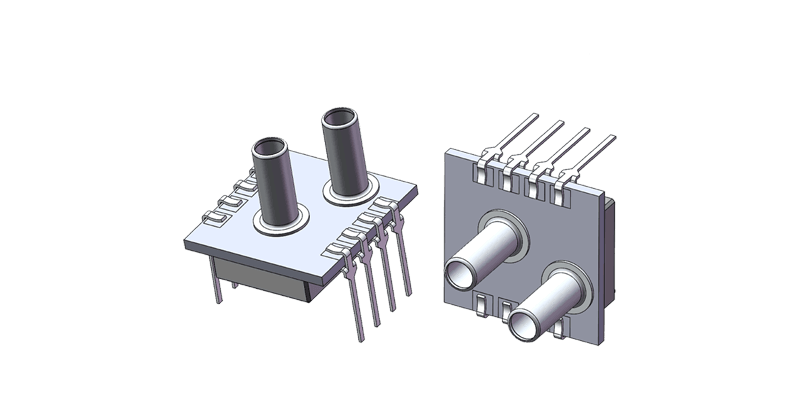
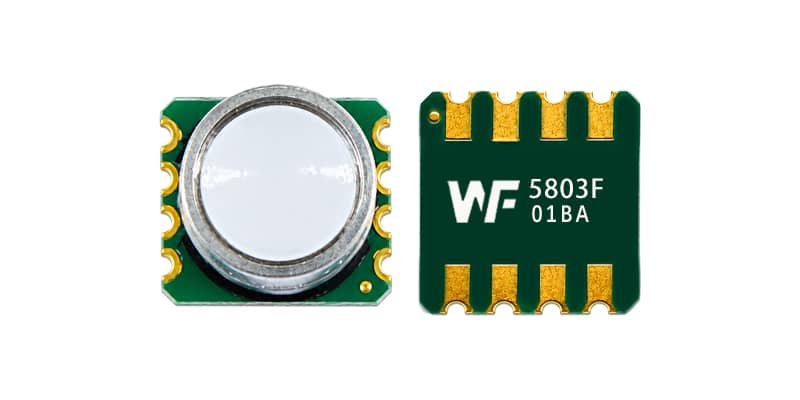
세라믹 압력 센서 are mainly composed of ceramic sensitive elements, measurement circuits and signal processing units. Its working principle is based on the piezoelectric or piezoresistive effect of ceramic materials: when pressure is applied externally, the electric field or resistance within the ceramic changes, which is then converted into a measurable electrical signal. The high mechanical strength and excellent electrical characteristics of the ceramic material ensure stable operation and long service life of the sensors in high-pressure environments.
세라믹 압력 센서의 성능 분석
감광도
Sensitivity refers to the ability of a sensor to respond to pressure changes. Selection of ceramic materials with high pressure resistance coefficients, such as high-purity silicon or specific ceramic composites, can improve the sensitivity of the sensor. In addition, optimizing the structural design of the sensitive element, such as reducing the thickness or adjusting the geometry, can also help to increase the sensitivity.
정확성
Accuracy reflects how close the sensor’s measured value is to the true value. Precise manufacturing processes and high-quality material selection are key to improving accuracy. Meanwhile, the use of advanced signal processing techniques, such as digital filtering and linear compensation, can effectively reduce measurement errors.
안정
Stability refers to the ability of a sensor to maintain consistent performance over a long period of time. The thermal stability and anti-aging properties of ceramic materials allow them to perform well under temperature changes and long-term loads. However, environmental factors such as humidity and corrosive media can affect their stability and require enhanced sealing and protection designs.
선형성
Linearity describes the linear relationship between sensor output and input pressure. Precise structural design and material selection ensures that the sensor maintains good linearity over the entire measurement range. In addition, linearity correction algorithms in the signal processing circuitry can improve linearity performance.
세라믹 압력 센서의 응답 속도 분석
센서의 구조 설계
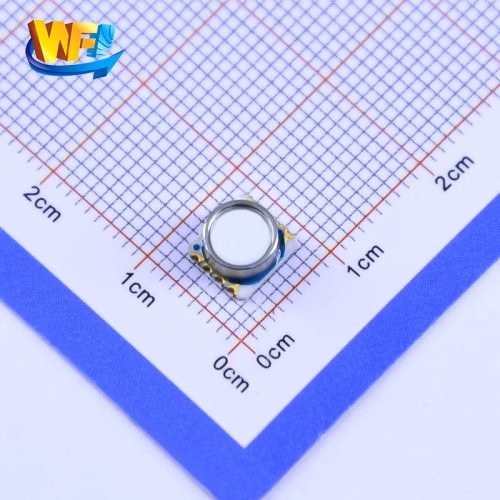
The response speed is affected by the quality and structure of the sensitive element. Reducing the thickness and mass of the sensitive diaphragm increases the response speed of the sensor. However, a balance between sensitivity and mechanical strength is needed to ensure the reliability of the sensor.
신호 처리 회로
Efficient signal processing circuitry is critical for fast response. The use of high-speed analog-to-digital converters (ADCs) and fast processors reduces signal transmission and processing time, thereby improving overall response.
환경 적 요인
Environmental factors such as temperature, humidity and rate of pressure change can affect the response speed of a sensor. The effects of these factors need to be considered in the design and compensating measures, such as temperature compensation circuits and moisture-proof designs, need to be taken to ensure the sensor’s fast response in a variety of environments.
세라믹 압력 센서에 대한 최적화 전략
재료 선택을 최적화하십시오
The selection of high-performance ceramic materials, such as high-purity alumina or zirconia, increases the sensitivity and stability of the sensor. These materials have excellent mechanical and electrical properties and are suitable for high-precision measurements.
개선 된 구조 설계
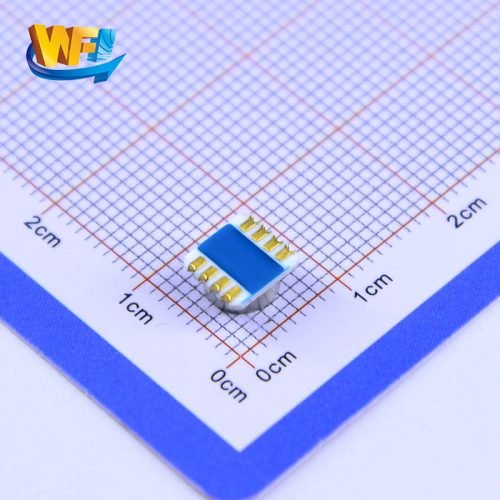
Optimizing the thickness and geometry of the sensitive diaphragm through finite element analysis ensures a balance between mechanical strength and response speed while increasing sensitivity. In addition, innovative package designs, such as the use of compression springs to realize electrode connections, improve sensor integration and reliability.
고급 신호 처리 기술의 적용
Adopting advanced signal processing algorithms such as digital filtering, temperature compensation and linear correction can improve measurement accuracy and response speed. In addition, the integrated signal conditioning circuit design helps reduce external interference and improve signal quality.
온도 및 습도 보상
Changes in ambient temperature and humidity can affect sensor performance. By introducing a temperature and humidity sensor into the design, monitoring environmental changes in real time and compensating accordingly, the stability and accuracy of the sensor under various environmental conditions can be ensured.
결론
Ceramic pressure sensors are widely used in various fields due to their excellent performance. By optimizing material selection, improving structural design, applying advanced signal processing technology and strengthening environmental compensation, its sensing performance and response speed can be further enhanced. In the future, with the continuous development of new materials and technologies, ceramic pressure sensors will show their unique advantages in a wider range of applications.
위의 소개는 압력 센서 기술 적용의 표면적인 부분에 불과합니다. 우리는 다양한 제품에 사용되는 다양한 유형의 센서 요소, 작동 방식, 장점과 단점을 계속해서 탐구할 것입니다. 여기에서 논의된 내용에 대해 더 자세히 알아보려면 이 가이드 뒷부분의 관련 콘텐츠를 확인하세요. 시간이 촉박한 경우 여기를 클릭하여 이 가이드의 세부정보를 다운로드할 수도 있습니다. 공기 압력 센서 제품 PDF 데이터.
다른 센서 기술에 대한 자세한 내용은 다음을 참조하십시오. 센서 페이지를 방문하십시오.