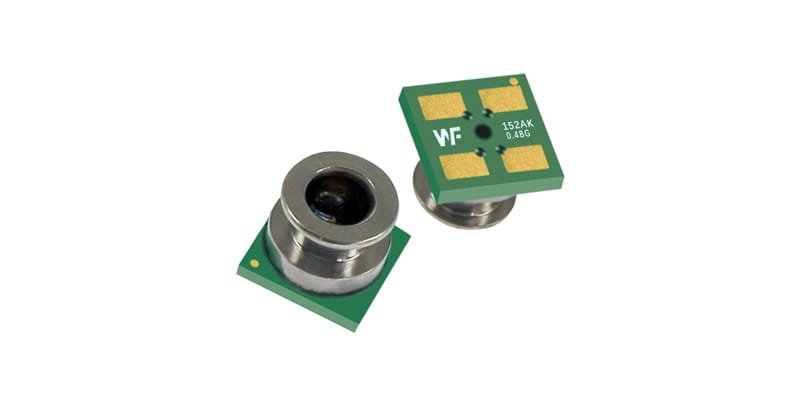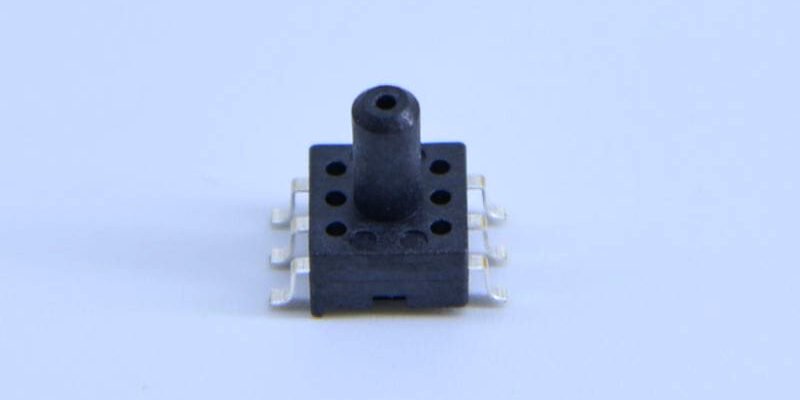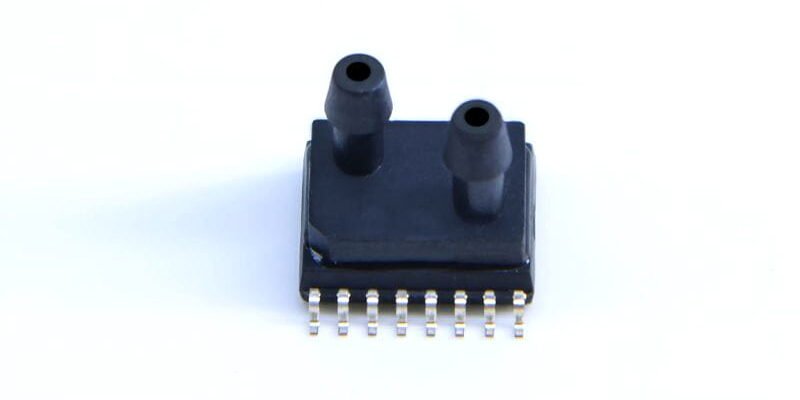
【MEMSデバイス】タイヤ空気圧監視センサーの技術的特徴
MEMS TPMS sensor features: robust absolute-pressure MEMS die, low-power wake cycles, quick valve-cap retrofit or in-tire integration, reliable wireless link, and precise PSI↔kPa/bar/kg·cm² conversion with calibration.
Semiconductor gas sensors are MEMS devices: metal-oxide layers change conductivity when gas reacts at elevated temps, read by resistor or FET circuits. Design hinges on material choice, micro-heater control, packaging and signal conditioning to balance sensitivity, selectivity and stability for real-world monitoring.
Moisture harms sensor elements, causing drift, leakage, or failure. For PCB and SMD pressure sensors, block liquid entry with sealed housings and vent membranes, use internal desiccants and nano coatings, control PCB moisture before soldering, and add cavity humidity monitoring for alerts.
Constant-voltage drive with PCB base and thick-film compensation delivers stable temperature-compensated pressure sensing across −10°C to 60°C, suitable for medical, level and flow measurement uses.
Measure altitude with a high-sensitivity MEMS barometer: explains pressure–altitude relation, digital barometer selection, error sources and engineering strategies to improve accuracy for drones, hiking and floor detection.
Force sensors and analog pressure modules boost electronic instrument expressiveness and smart services. Ready-made micro-pressure modules offer temp compensation, stable 0.5–4.5V output, low-power modes, and remote diagnostics to ease integration.
SMD pressure sensors convert pressure signals into reliable digital data, forming a vital sensing layer for home automation and protection. Choose sensors with the right range, temperature compensation, sampling rate and digital output (I²C/SPI) and design for stable long-term operation.
Temperature affects elastic modulus, resistivity and other properties of the sensor element, producing two primary issues: zero-point (offset) drift and changes in sensitivity. Together these effects undermine measurement accuracy and linearity, accumulate over time, and limit the environments where a sensor can be trusted.
Comprehensive analysis of pressure sensor accuracy and error sources: definitions, repeatability, resolution, linearity, material and packaging effects, temperature drift, vibration and signal conditioning. Includes improvement methods (full-bridge design, MEMS laser trimming, digital compensation) and maintenance tips for industrial, medical and metrology applications.
Starting from the actual needs of heating, ventilation and air conditioning (HVAC) systems, this piece explains how differential pressure sensors meet the demands for accurate, reliable pressure-change measurement.
Invasive pressure sensors bring practical new capabilities to medical kit — they turn tiny swings in blood pressure into steady, real-time electrical signals so clinicians can keep a close, continuous eye on high-risk patients.
An airflow monitoring pressure sensor watches airway pressure in real time, giving high-precision, fast-response readings used in respirators, medical monitoring, HVAC and process control. These sensors bundle full signal conditioning — including temperature compensation and a dedicated ASIC — run off a 5V single supply and provide a 0.5–4.5V proportional output. Typical ranges span 500 Pa to 10 kPa.
Adding a pressure sensor to an electric kettle does more than sound clever — it brings steadier temperature control, better safety, lower energy use and neat smart features. I’ll walk you through how high-precision, temperature-compensated sensors and a bit of firmware work together, and what to check if you’re sourcing from Chinese pressure-sensor factories.
高性能低圧センサーで医療機器の信頼性を高めます。人工呼吸器、NIBP モニタリングにおける MEMS 技術を探索する & CPAP, ensuring accurate, consistent data sampling in demanding healthcare settings.
Digital depth sensors combine high-resolution pressure and temperature measurement, temperature compensation and on-chip calibration with I²C and flexible OSR settings to deliver low-power, reliable solutions for offshore climate alerts and intelligent fishfinding.