1. The role of height sensing in automatic arterial pressure correction
Height sensors continuously measure the vertical displacement of the pressure transducer relative to the reference point and convert height values into hydrostatic compensation. When integrated with invasive arterial pressure systems, the sensor can automatically adjust readings during patient position changes, keeping mean arterial pressure within clinically acceptable error margins and reducing misdiagnosis and unnecessary interventions.
2. Trade-offs among accuracy, resolution, and sampling rate
A high-resolution pressure sensor used as a height-sensing module must balance resolution and response speed. High resolution enables detection of small height changes, while a sufficient sampling rate ensures data continuity during rapid position shifts. At the same time, zero drift and temperature-related errors must be monitored to maintain long-term reading stability and clinical usability.

3. Implementation via wearable acoustic devices and bedside integration
Height tracking can be implemented with wearable acoustic patches or sensors integrated into IV poles at the bedside. A wearable device attached near heart level is compared to a fixed bedside sensor; the system’s algorithm computes the height difference in real time and generates the compensation value. This approach reduces incidental errors caused by movement and supports seamless data integration into bedside monitoring systems.
4. Reducing caregiver workload and improving occupational safety
Automated height correction means nurses and technicians no longer need to frequently reposition or recalibrate sensors manually, reducing repetitive bending and patient handling and lowering the risk of occupational injury while improving work efficiency. Less manual intervention also decreases measurement bias introduced by human action, enhancing overall monitoring quality.
5. System integration, algorithmic correction, and reliability verification
Integrating a height-sensing module into an invasive monitoring chain requires clear definitions of the hydrostatic reference point, calibration procedures, and anomaly detection strategies. Algorithms must address sensor drift, short-term noise, and false motions, and compensation accuracy should be confirmed through clinical validation and calibration to ensure traceable data that meets clinical standards during long-term monitoring.
Key Takeaways
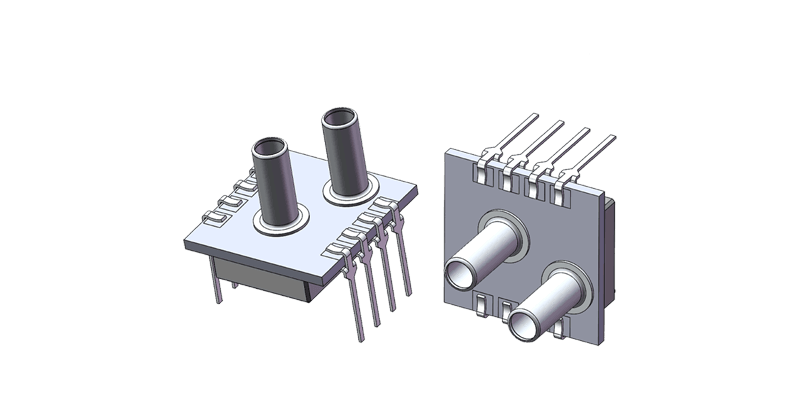
Using high-resolution pressure sensors as height sensors enables automatic hydrostatic compensation in invasive arterial pressure monitoring, improving measurement accuracy and significantly reducing caregiver workload. The type of high-resolution MEMS sensor shown is suitable for bedside and wearable integration; combined with appropriate sampling and correction algorithms, it can provide reliable alarm support in intensive care and surgical environments.
上記の紹介は、圧力センサー技術のアプリケーションの表面をなぞっただけです。私たちは、さまざまな製品で使用されているさまざまなタイプのセンサー素子、それらがどのように機能するか、そしてそれらの長所と短所を引き続き調査していきます。ここで説明する内容についてさらに詳しく知りたい場合は、このガイドの後半にある関連コンテンツをご覧ください。時間がない場合は、ここをクリックしてこのガイドの詳細をダウンロードすることもできます。 空気圧センサー製品PDFデータ。
他のセンサー技術の詳細については、こちらをご覧ください。 センサーページにアクセスしてください。