Katalog
Pengantar Sensor Tekanan
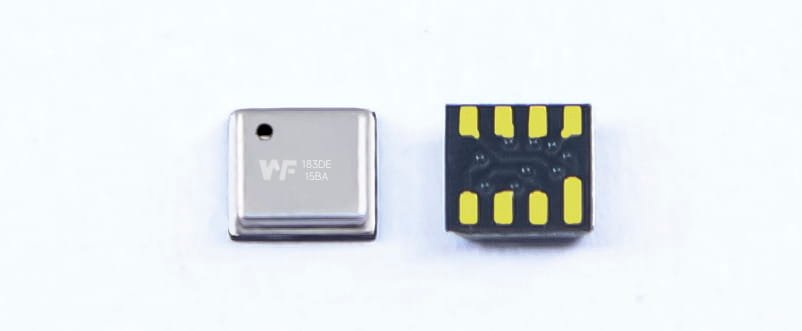
Pressure sensors are crucial components in various industries, including automotive, industrial automation, consumer products, and medical devices. The global pressure sensor market is projected to reach nearly $24.5 billion by 2028, reflecting their increasing importance in modern technology1. Pressure sensors operate based on the principle of force applied over an area, which is essential for understanding their applications and functionality.
Memahami Teknologi MEMS
MEMS (Micro-Electro-Mechanical Systems) technology is pivotal in the development of pressure sensors. MEMS sensors feature an elastic silicon diaphragm, which allows them to undergo repeated pressure cycling without altering their properties. This elasticity is beneficial as it minimizes hysteresis and creep, common issues in other sensor types
Keuntungan dari MEMS
Efisiensi biaya: Thousands of sensors can be produced on a single wafer, significantly reducing costs.
Fleksibilitas desain: Having an in-house wafer fab allows for better control over the supply chain and design customization.
Keandalan: MEMS sensors are free from hysteresis and creep, ensuring consistent performance over time
Piezoresistive vs. Piezoelectric Sensors
Sensor piezoresistif
Piezoresistive sensors operate by measuring changes in electrical resistance when subjected to pressure. They are known for their repeatability and versatility, making them suitable for various applications, including medical procedures like angioplasty
Sensor piezoelektrik
Piezoelectric sensors generate an electric charge in response to mechanical stress. They are commonly used in applications requiring high sensitivity to vibrations and forces, such as in accelerometers and load sensors
For more guidance on piezoresistive vs. piezoelectric sensors, check out this article link:https://wfsensors.com/blog/use-and-function-of-mems-piezoresistive-pressure-sensorscomprehensive-guide.html/
Aplikasi sensor tekanan
Pressure sensors are used across multiple industries:
Otomotif: For engine management and safety systems.
Menyelam: To monitor depth and ensure safe ascent and descent times.
E-Bikes: Integrated into shocks and tires to enhance performance.
Medis: In procedures like angioplasty to monitor balloon inflation
MEMS Pressure Sensors: Design and Functionality
Sensor absolut: Measure pressure relative to a vacuum reference.
Sensor pengukur: Measure pressure relative to atmospheric pressure
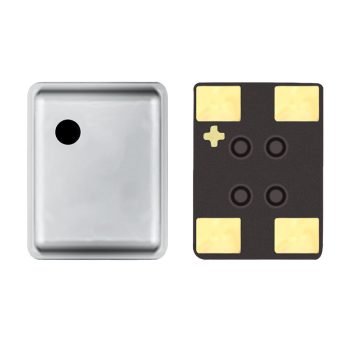
Jenis Sensor Tekanan MEMS
MEMS pressure sensors feature a Wheatstone bridge diffused into a silicon diaphragm. The output change from this bridge corresponds to changes in applied pressure. The diaphragm’s thickness is adjusted based on the required pressure range
Faktor -faktor yang mempengaruhi akurasi sensor tekanan
Accuracy in pressure sensors is crucial, especially in applications requiring precise measurements. Factors influencing accuracy include:
Suhu: Changes in temperature can affect sensor sensitivity and resistance.
Menekankan: External stresses during packaging can impact sensor performance over time
Mencapai akurasi
Kalibrasi: Essential for ensuring accuracy.
Sensor kompensasi: Use onboard ASICs to simplify calibration and improve accuracy
Memilih sensor tekanan yang tepat
When choosing a pressure sensor, consider the following factors:
Rentang Tekanan: Ensure the sensor can handle the required pressure range.
Kondisi lingkungan: Consider temperature, humidity, and potential stressors.
Jenis aplikasi: Determine if an absolute, gauge, or differential sensor is needed
Kesimpulan
Pressure sensors, particularly those utilizing MEMS technology, play a vital role in modern industries. Understanding the differences between piezoresistive and piezoelectric sensors, as well as the design and functionality of MEMS sensors, is essential for selecting the right sensor for specific applications. By considering factors like accuracy, environmental conditions, and application type, users can ensure optimal performance and reliability in their systems.
Saran yang dapat ditindaklanjuti
Menilai kebutuhan Anda: Determine the pressure range and environmental conditions for your application.
Pilih jenis sensor yang tepat: Decide between piezoresistive and piezoelectric based on your application’s requirements.
Pertimbangkan kalibrasi: Ensure your sensor is properly calibrated for accurate measurements.
By following these steps and understanding the principles behind pressure sensors, you can effectively integrate them into your projects and achieve reliable results.
Pengenalan di atas hanya sekilas tentang penerapan teknologi sensor tekanan. Kami akan terus mengeksplorasi berbagai jenis elemen sensor yang digunakan di berbagai produk, cara kerjanya, serta kelebihan dan kekurangannya. Jika Anda ingin mengetahui detail selengkapnya tentang apa yang dibahas di sini, Anda dapat melihat konten terkait nanti di panduan ini. Jika Anda terdesak waktu, Anda juga dapat mengklik di sini untuk mengunduh rincian panduan ini Data PDF Produk Sensor Tekanan Udara.
Untuk informasi lebih lanjut tentang teknologi sensor lainnya, silakan Kunjungi Halaman Sensor Kami.