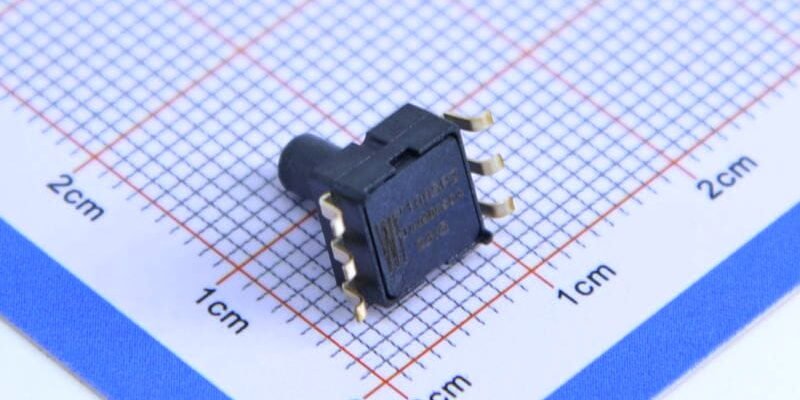
- Միջոցով WF սենսորներ
The accuracy of a ճնշման սենսոր is the key parameter that determines its measurement reliability and practical value. This article takes you through a full analysis of pressure-sensor accuracy — from definitions and influencing factors to ways of improving it.
Կատալոգ
1. Definition and Core Meaning of Accuracy
Ճշգրտություն denotes the maximum deviation between the sensor’s measured value and the true value. It is usually expressed as a percentage of full scale (FS), for example ±0.1% FS or ±0.5% FS.
Example: For a sensor with a 100 kPa full scale and an accuracy of ±0.5% FS, the maximum measurement error will not exceed ±0.5 kPa (100 kPa × 0.5%).
Repeatability: The consistency of repeated measurements under the same pressure. Repeatability is not directly equivalent to accuracy — a sensor can be highly repeatable yet biased (good repeatability but poor accuracy if a systematic error exists).
Resolution: The smallest change in pressure the sensor can detect (e.g. 0.01 kPa). High resolution does not automatically imply high accuracy, because measurement noise may still cause errors.
Linearity: The degree to which the output follows a linear fit against pressure; linearity is one of the factors that affects accuracy.
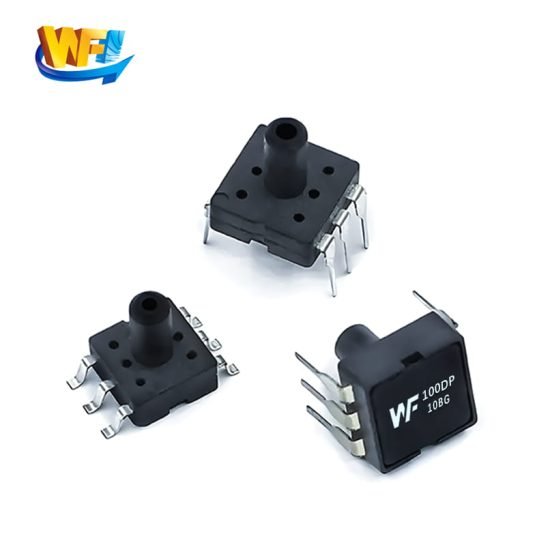
2. Main Factors Affecting Accuracy
Hardware design and manufacturing processes
Elastic element characteristics (strain-based / piezoresistive): The material of the elastic element (e.g. stainless steel, silicon) and manufacturing precision (for example, uniformity of diaphragm thickness) determine how accurately strain is transmitted. Material creep or hysteresis can introduce long-term errors.
Quality of the sensing element: Stability of the gauge factor for strain gauges and the temperature drift coefficient of piezoresistive elements (silicon’s temperature drift is roughly −0.03%/°C) directly affect measurement accuracy.
Packaging processes: Insufficient internal stress relief or ageing of sealing adhesives can degrade long-term accuracy (for instance, packaging materials expanding at high temperature may press on the elastic element).
Environmental factors
Temperature drift: Most sensors show significant accuracy variation with temperature. For example, mismatches between the temperature coefficient of strain gauges and the thermal expansion coefficient of the elastic element can cause zero drift and sensitivity drift. Regional altitude differences (air pressure baselines) can also be a notable environmental factor.
Digital sensor solutions include Wheatstone-bridge temperature compensation or digital algorithm correction and calibration; analogue sensors can use small adjustable resistors for calibration.Vibration and shock: Mechanical vibration may cause micro-deformation of the elastic element or loosen electrical connections, causing transient measurement errors.
Humidity and corrosion: Moisture can corrode strain-gauge leads or MEMS chips, causing gradual deterioration in accuracy over time.
Signal processing and calibration
Conditioning-circuit noise: Amplifier temperature drift and ADC quantisation error will reduce overall accuracy.
Calibration level: Whether multi-point temperature compensation and calibration are performed before shipment. Generally, more calibration points enable higher achievable accuracy.
3. Ways of Expressing Accuracy & Industry Standards
Common expression methods include
Absolute error (ΔP): Expressed directly in pressure units (e.g. ±0.01 MPa), suitable for low-range sensors.
Relative error (% FS): Expressed as a percentage of full scale — the most commonly used form.
Total error (% RO): Expressed as a percentage of the actual operating range — useful for wide-range or adjustable sensors.
Industry accuracy grades
Consumer / general-purpose: ±0.5% FS ~ ±1% FS
Military / high-reliability: ±0.1% FS ~ ±0.25% FS
Aerospace / metrology: below ±0.05% FS
Different grades suit different applications — from routine industrial use to laboratory, medical or calibration-level measurement.
4. How to Improve Pressure Sensor Accuracy
Optimise hardware design: Use full-bridge circuits to cancel temperature drift and common-mode interference; select low-drift materials for elastic elements.
Advanced manufacturing: MEMS ion implantation and laser trimming can reduce zero-offset errors and improve long-term stability.
Digital compensation and calibration: Built-in MCUs can store temperature–pressure calibration tables; field multi-point calibration can correct long-term drift.
Environment-adaptive design: Add thermal insulation and vibration-resistant packaging to improve long-term stability under harsh conditions.
Եզրափակում
Accuracy is the core indicator of a pressure sensor’s reliability and usefulness. It is jointly determined by design, manufacturing, calibration and the operating environment. When choosing a sensor, balance the application’s tolerated error, cost constraints and environmental demands — do not pursue the highest possible accuracy blindly. Regular calibration and maintenance are essential to preserving high accuracy over time.
Վերոնշյալ ներածությունը միայն քերծում է ճնշման սենսորային տեխնոլոգիայի կիրառությունների մակերեսը: Մենք կշարունակենք ուսումնասիրել տարբեր արտադրատեսակներում օգտագործվող սենսորային տարրերի տարբեր տեսակները, ինչպես են դրանք աշխատում, ինչպես նաև դրանց առավելություններն ու թերությունները: Եթե ցանկանում եք ավելի մանրամասն մանրամասնել, թե ինչ է քննարկվում այստեղ, կարող եք ստուգել համապատասխան բովանդակությունը ավելի ուշ այս ուղեցույցում: Եթե դուք սեղմված եք ժամանակի համար, կարող եք նաև սեղմել այստեղ՝ այս ուղեցույցի մանրամասները ներբեռնելու համար Օդային ճնշման ցուցիչի արտադրանք PDF տվյալներ.
Այլ սենսորային տեխնոլոգիաների մասին լրացուցիչ տեղեկությունների համար խնդրում ենք Այցելեք մեր տվիչների էջը.