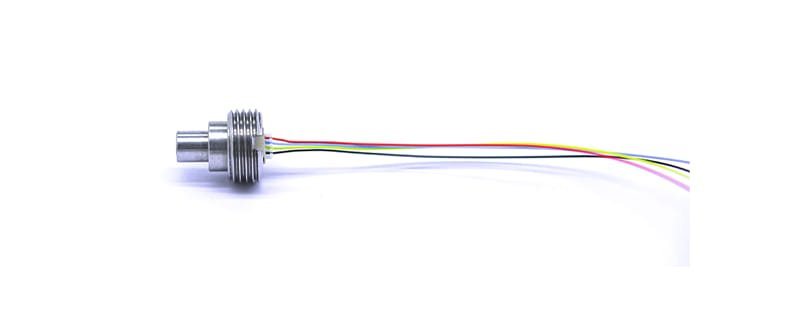
- द्वारा डब्ल्यूएफसेंसर
Fitting a pressure-measurement module to a kettle isn’t just “another sensor.” It shifts how you treat boiling point, heating logic, safety and efficiency. Link a pressure sensor with the existing temperature probe and suddenly the device can maintain target temperatures across different environments, spot pressure anomalies and offer intelligent prompts. This write-up focuses on the engineering: sensor traits (accuracy, temp compensation, digital interface), system design (sampling and filtering) and user-facing behaviour (prompts, modes), plus practical selection advice for working with Chinese factories.
सूची
1. Handle different altitudes — get temperature right every time
Where elevation shifts, boiling point follows suit. A kettle that relies only on a temperature probe can easily misjudge “boiled” versus “not boiled” up on a plateau. If you add pressure sensing, the control logic uses ambient pressure with temperature to compute the real boiling point and tweak heating power and duration so you actually reach sterilising or brewing temps. For precise tasks — think certain coffee or formula — this combo shrinks temperature error margins and keeps results consistent.
Why ambient pressure changes the boil point
Lower pressure means lower boiling point; the controller must translate measured absolute pressure into a boil-point offset and correct the temp setpoint. In engineering we use simple formulae or lookup tables to convert pressure to boiling-point shift, then apply temp-compensation and tweak PID or timing logic in the MCU. This way, even at high altitude the water hits the intended sterilising or brew temperature, rather than relying on a fixed temperature threshold.
2. Boost safety — twin protection against overpressure and dry-boil
Pressure measurement significantly strengthens safety logic. If the lid is stuck, vents blocked or steam paths impaired, internal pressure will rise. Real-time pressure data lets the system cut power before pressure accumulates into something dangerous. Also, using pressure and temperature together gives a much clearer view for dry-boil detection: if heating is on but pressure/steam behaviour deviates from expected patterns the kettle can pre-emptively enter a safe mode — fewer false trips, better reliability. For products that will be mass-produced via Chinese sensor factories, these protections are a clear selling point.
Bottom line: Pressure gives you a safety signal that temperature alone can miss.
How pressure sensing prevents steam leaks and overpressure
On the firmware side, define a normal pressure curve and handle short spikes differently from sustained over-threshold conditions. Short spikes might trigger a warning and power reduction; sustained overpressure should cut power immediately and notify the user to check the seal or vents. Pick a sensor with quick response and good interference immunity so vibration or power noise doesn’t cause false trips.
3. Save energy and polish the user experience
A pressure sensor helps the heating logic get clever. In low-pressure environments, a fixed heating profile can cause repeated or wasted heating; by adapting the heat curve you cut wasted cycles, save electricity and shorten wait time. The UI can also tell users the “actual boiling point” or suggest the best mode — that transparency builds trust. In markets where energy efficiency and user experience matter (smart kitchens, camping gear), those gains directly translate into a stronger product.
Bottom line: Pressure awareness enables efficient operation and clearer user guidance — good for sales and reviews.
Auto-adjust heating by environment and load
Implementation options include preset power curves that the firmware picks using pressure data, or treating pressure as a correction factor inside PID/timer logic. Make the energy-saving strategy configurable in firmware so you can tweak defaults per market (highland, coastal, urban) during production runs.
4. Enable smart features and ecosystem links
Pressure readings are valuable environmental data. Hook them into smart-home systems or weather services and you unlock handy functions — alert users to pressure drops that often mean rain, or show local boil point in an app so they can plan. Users could even set pressure-based custom modes (“High-Plateau Priority”), giving real utility for specific needs. For manufacturers, these features open doors to smart-home partnerships.
Bottom line: Pressure sensing isn’t just a control input — it’s a gateway to ecosystem features.
Practical scenarios for linking environmental data to home systems
Linking is usually via a low-power wireless module or local gateway that pushes pressure data to an app or hub. Consider upload frequency, privacy and bandwidth cost up front — event-driven or periodic pushes balance real-time needs against battery and network usage.
5. Pick the right sensor and get implementation right
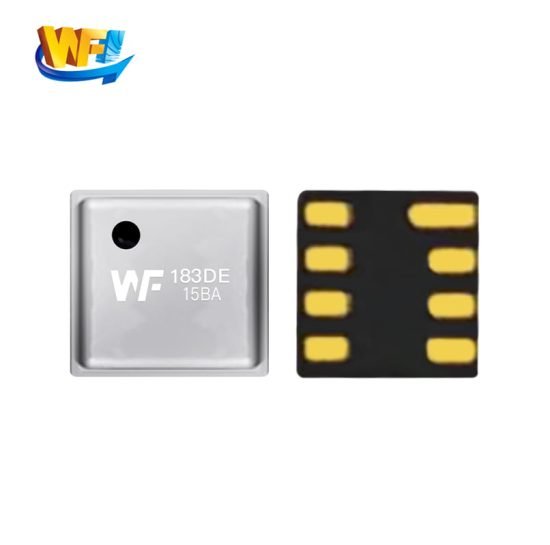
When choosing a pressure sensor, prioritise high precision, built-in temperature compensation and a sturdy digital interface for mass production. Ensure the range covers typical altitude pressures, check long-term drift and temperature compensation strategy so the sensor fits your thermal model. A digital interface simplifies noise immunity and calibration. For volume production, work with a dependable Chinese sensor factory to lock down supply and test standards.
Bottom line: The right device, interface and calibration turn pressure capability into a reliable
Selection advice, interfaces and calibration flow
Consider static accuracy (mbar or Pa), long-term drift, temperature coefficient, output interface (digital preferred), built-in compensation and packaging. Firmware should implement digital filtering, anomaly thresholds, CRC checks and store factory calibration values in non-volatile memory — that eases OTA tweaks and production testing.
निष्कर्ष
Upgrading a kettle from “just a heater” to an “environment-aware device” is exactly what a pressure sensor does: it ensures true boiling at any altitude, improves safety, cuts energy use and supports smart ecosystem features. For industrialisation, focus on sensor accuracy, temperature compensation and digital interfaces for noise resilience and calibration. Choosing proven high-precision parts and configurable firmware will shave time from prototype to production when working with Chinese factories. For engineers and product leads, this is a small hardware investment that brings a meaningful edge to the finished product.
उपरोक्त परिचय केवल दबाव सेंसर प्रौद्योगिकी के अनुप्रयोगों की सतह को खरोंचता है। हम विभिन्न उत्पादों में उपयोग किए जाने वाले विभिन्न प्रकार के सेंसर तत्वों, वे कैसे काम करते हैं, और उनके फायदे और नुकसान का पता लगाना जारी रखेंगे। यदि आप यहां चर्चा की गई बातों पर अधिक विवरण चाहते हैं, तो आप बाद में इस गाइड में संबंधित सामग्री देख सकते हैं। यदि आप पर समय की कमी है, तो आप इस गाइड का विवरण डाउनलोड करने के लिए यहां क्लिक भी कर सकते हैं वायु दाब सेंसर उत्पाद पीडीएफ डेटा.
कृपया अन्य सेंसर प्रौद्योगिकियों पर अधिक जानकारी के लिए हमारे सेंसर पेज पर जाएँ.