Blog

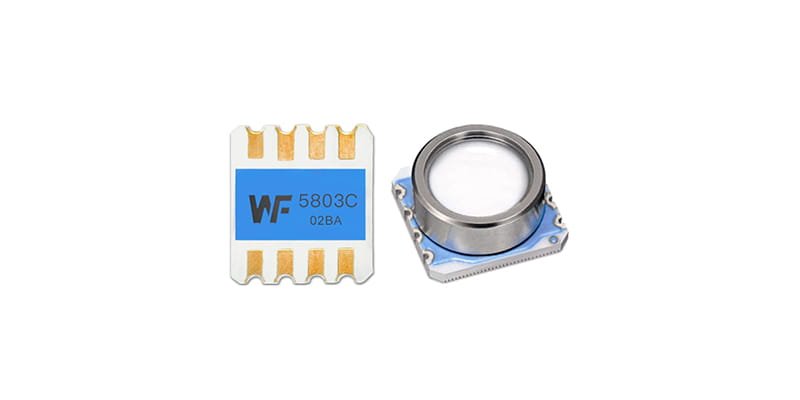
Wf5803c-02bar wai wai camic semic

Manaʻo wānana me ka hoʻohana ʻana i nā mea ʻike kaomi ma ka ʻoihana 4.0

In an Industry 4.0 setting, real-time, reliable pressure measurement shifts maintenance from reactive fixes to proactive prediction. Industrial pressure sensors act as critical nodes, directly reporting fluid and gas conditions so that operations teams can intervene before issues escalate — cutting downtime and extending asset life.

WF200S 10kpa mea ike

Hāʻawi ka mīkini paʻi paʻa i ka BiPAP a me CPAP Mea nui

Static pressure sensors are central to CPAP/BiPAP reliability. Low-noise, high-resolution sensors yield fast, accurate pressure feedback for event detection and comfort. Integrated dual-sensor modules save PCB space, simplify calibration, and provide multiple calibrated ranges and filter options—enabling reliable, low-latency control for effective PAP therapy.

WF152A puʻe kiʻi

Pipeline pressure sensor — nānā pono i ke kānana

For pipeline pressure sensors, short high-frequency blasts can hide small true signals. By adding a narrow flow restrictor and tuning the downstream volume, you cut high-freq noise while keeping low-freq fidelity. Tests (270 sps, 0.41 mm restrictor) show tiny loss below ~50 Hz and strong attenuation above 100 Hz; estimated corner ≈120–140 Hz. Design by matching restrictor size and tubing volume to your required bandwidth.

Wf162F 11bar 11bar kūpono loa i ka sensor ikaika

Pehea e ana ʻia a hoʻoholo ʻia ai ke ʻano o ka mea ʻike puʻuwai?

pressure gauge sensor range is set by device structure, measurement methods, calibration standards and engineering trade-offs. For MEMS parts , confirm range with static/dynamic tests, multi-point calibration, temperature checks and long-term drift analysis to ensure accuracy and safe overload margins.

Holo i luna

Kāhea iā mā˚ou