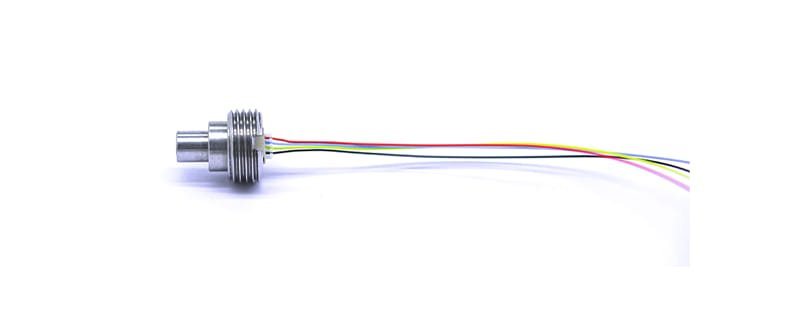
gauge pressure transducer, also known as a relative pressure transducer, is a device used to measure the pressure at a specific point relative to atmospheric pressure. When a gauge pressure sensor measures less than atmospheric pressure, it produces a negative pressure reading. This characteristic is uniquely valuable in many applications, such as detecting sealing conditions in vacuum packaging machines, monitoring the operational efficiency of industrial vacuum systems, and even regulating pressure in research laboratories.
Ma kēia ʻatikala, e nānā hohonu mākou i nā loina kumu a me nā hiʻohiʻona hana o nā mea ʻike kaomi gauge. E hōʻike pū mākou i ke koho ʻana i ka mīkini paʻi anana kūpono, hoʻonohonoho iā ia no nā ana kaomi ʻino kūpono, a hāʻawi i nā alakaʻi hoʻomaʻamaʻa maikaʻi loa e hoʻomaikaʻi i ka pololei a me ka hilinaʻi o kāu mau ana. Ma o kēia ʻike, e aʻo ʻoe pehea e hoʻohana pono ai i ka hiki o nā mea ʻike kaomi ana i nā noi honua maoli.
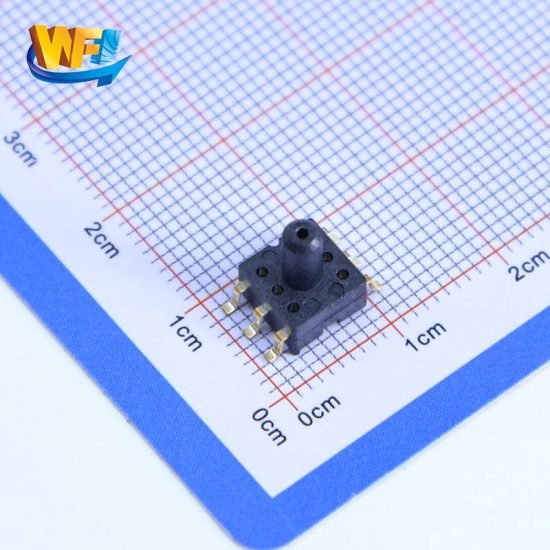
Nā Papaʻi i nā Papa
ka loina hana o ka mea ike kaomi ana
The core technology of gauge pressure sensors is based on the deformation of the pressure diaphragm. The pressure diaphragm is usually made of metal or silicon and is connected to a module of electronic components. These components convert the mechanical deformation of the diaphragm into a signal. When the pressure falls below atmospheric pressure, the diaphragm deforms outward, producing a signal that corresponds to the negative pressure.
Simply put, the device detects the deformation of the diaphragm to deduce the pressure value. For example, in a sealed container, when the internal pressure is lower than the external atmospheric pressure, the gauge pressure sensor will give a negative reading. This approach is both intuitive and efficient, and is suitable for a wide range of industrial and laboratory scenarios.
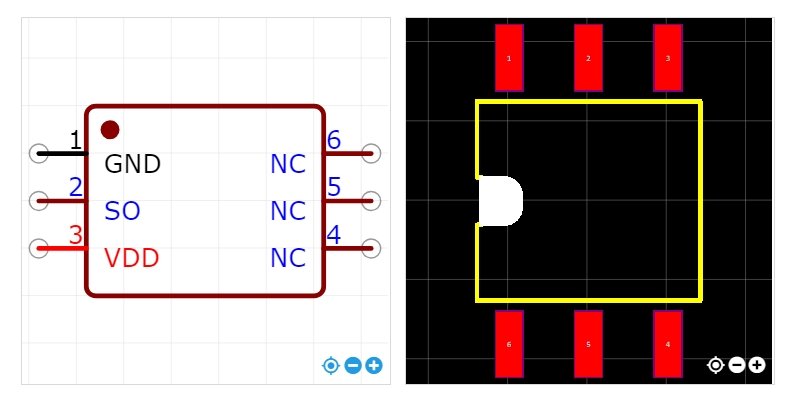
Application Scenarios for Pressure Measurement
Pressure measurement plays an indispensable role in many industries. The following are some specific application scenarios:
Vacuum packaging equipment
- In the food processing industry, vacuum packaging technology is widely used to extend the shelf life of food products. Gauge pressure sensors monitor the negative pressure in the packaging machine to ensure the sealing of the package.
Medical Equipment
- Negative pressure therapy equipment, such as wound pressure drainage systems, require highly accurate pressure monitoring. Gauge pressure sensors provide real-time feedback on system pressure for patient safety.
Pharmaceutical and Chemical Industries
- In pharmaceutical manufacturing, negative pressure environments help to avoid contamination and ensure the purity of the drug. These environments can be precisely controlled with gauge pressure sensors.
Industrial Vacuum Systems
- Vacuum pumps and vacuum systems in factories need to be constantly monitored for negative pressure to ensure operational efficiency and minimize energy consumption.
Selecting the Right Gauge Pressure Sensor
When selecting a gauge pressure sensor, there are several things to keep in mind:
- Pressure range: Ensure that the pressure range of the sensor covers the negative pressure value of the target measurement.
- Accuracy: Highly accurate sensors perform better in complex applications, especially in scenarios where small pressure changes need to be monitored.
- Material Durability: For corrosive environments, it is important to select sensor materials with high corrosion resistance.
- Output Signal Type: Depending on the application, select sensors with analog or digital outputs.
Hoʻoponopono a hoʻonohonoho
Loaʻa nā ana kaomi ʻino i ka calibration a me ka hoʻonohonoho kūpono. Eia kekahi mau ʻanuʻu koʻikoʻi:
Hoʻolālikelike mua
Ma mua o ka hoʻomaka ʻana i kahi ana, pono e hoʻopaʻa ʻia ka mea ʻike e hōʻoia i ka pololei o ka wahi kuhikuhi o ke ana.
Hoʻoponopono hōʻailona
E hōʻoia i ka mea hoʻoponopono a i ʻole ka ʻōnaehana loaʻa ʻikepili i hoʻopili ʻia i ka mea ʻike e hiki ke hoʻopaʻa pololei i ka puka hōʻailona mai ka mea ʻike.
Hoʻoponopono Kaiapuni
Hoʻoponopono i nā ʻāpana pili kaiapuni e hōʻemi i nā hewa ma lalo o ke kūlana wela a i ʻole ka haʻahaʻa.
Nā pilikia maʻamau a me nā hoʻonā
ʻOiai he maʻalahi ka hoʻohana ʻana i nā mea ʻike kaomi ana, hiki ke loaʻa nā pilikia ma lalo i ka hana maoli:
ʻO ke ʻano heʻe
The sensor may drift from zero after prolonged use. The solution is to recalibrate the sensor periodically.
Environmental Interference
Electromagnetic interference may affect the sensor’s output signal. For this reason, shielded cables or isolation modules can be used to minimize interference.
Risk Damage
Improper installation or overstressing may cause damage to the sensor. It is recommended that the manufacturers installation instructions be followed and that overpressure protection be added to the system.
Hopena
Ma o ka wehewehe kikoʻī ʻana i kēia ʻatikala, manaʻo wau ua ʻoi aku ka maikaʻi o kou hoʻomaopopo ʻana i ka hoʻohana ʻana i nā mea ʻike kaomi ana e ana i ke kaomi ʻino. He kūpono kēia ʻano sensor no nā ʻoihana he nui ma muli o kona ʻano kiʻekiʻe a me ka hiki ke hoʻololi. Ma nā noi kūpono, ʻo ka hoʻomaopopo ʻana i kāna kumu hana, nā hiʻohiʻona noiʻi, nā kaʻina hana calibration a me nā hoʻonā i nā pilikia maʻamau hiki ke kōkua iā ʻoe e hoʻokō pono i kāu mau hana.
Gauge pressure sensors are not only measurement tools, but also key components for optimizing production processes and improving efficiency. Whether you are an engineer in industry or an operator in a scientific research lab, you can benefit from this technology. We hope that this article will provide you with practical guidance and inspiration for your work.