Papa lima
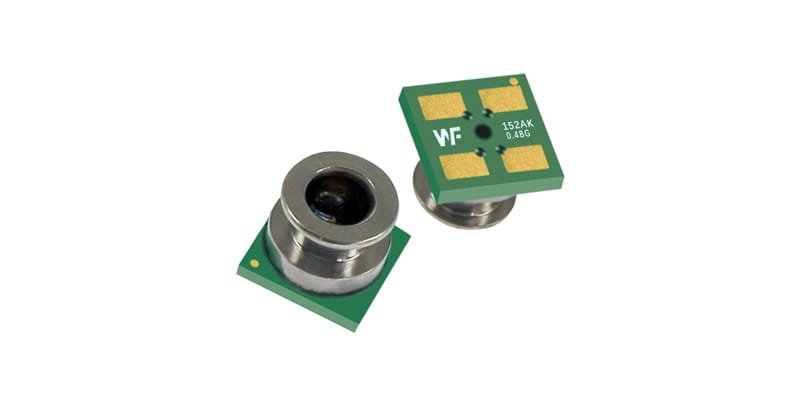
In the pressure monitoring system of dual-cylinder equipment, engineers need to achieve accuracy within ±1psi to ensure operational efficiency and safety. Due to the cost and reliability advantages of ʻO keʻano heni lolog mems likens, through temperature compensation, amplification calibration and resistance matching solutions, modern analog sensors can maintain high-precision measurements in the operating temperature range of -45℃ to 125℃, meeting the stringent working conditions of dual-cylinder equipment.
Based on the principles of MEMS technology, this article analyzes the accuracy control method of analog pressure sensors in dual-cylinder systems, focusing on the actual application effects of temperature compensation, signal amplification and calibration technology.
1. Analog Sensor Precision Control Fundamentals
Ke koiʻana i nā koi kūpono
Dual-cylinder equipment demands extremely strict pressure monitoring accuracy. The 1psi error range means sensors must possess high resolution and stable linear response characteristics. Analog sensors achieve pressure-to-voltage conversion through Wheatstone bridge structures.
Hoʻohuiʻia ka'oihanaʻai mechaniss
Temperature variations significantly impact sensor accuracy. Within the -45℃ to 125℃ operating temperature range, silicon material’s elastic modulus and resistance temperature coefficient undergo significant changes. Effective temperature compensation requires integrating temperature-sensitive elements within sensors.
Hōʻailona hōʻailona a me kaʻenehana calibration
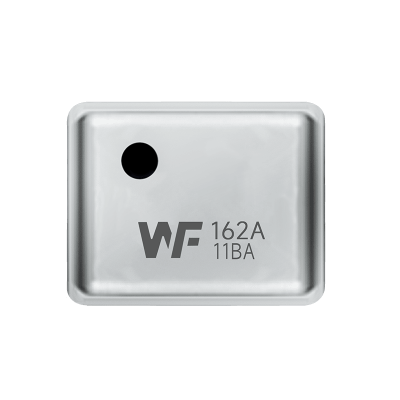
Maika leo mau’ raw output signals are typically small, requiring amplification circuits to boost signal strength. Amplifier selection directly affects system noise levels and linearity. Differential amplifier structures effectively suppress common-mode interference.
2. Dual-Cylinder System Pressure Monitoring Solutions
ʻO ka hoʻonohonoho hoʻonohonoho hoʻonohonoho hoʻonohonoho hoʻonohonoho
Pressure monitoring point selection in dual-cylinder equipment directly affects measurement accuracy. Sensors should be installed at positions with relatively stable pressure fluctuations, avoiding rapid pressure pulses that interfere with measurement precision.
ʻO ka paleʻana i ka hoʻolālā circuit circuit
Implementing resistor solutions beneath analog sensors effectively improves measurement accuracy. Through precision resistor networks, sensor output characteristics are adjusted to achieve precise zero-point and full-scale settings.
Zero-point Drift Model Technology
Zero-point drift under high-pressure environments significantly affects long-term accuracy. Zero-point drift primarily originates from sensor material creep, packaging stress release, and temperature cycling effects.
3. Temperature Compensation and Calibration Technology
Ke hoʻokumuʻiaʻana o ka nui o ka nui
Temperature compensation curve accuracy directly determines sensor precision performance across the full temperature range. Temperature cycling tests establish temperature-output characteristic databases using polynomial fitting or piecewise linear interpolation methods.
Nā Kūlana Callibration Multibration
Traditional two-point calibration cannot meet high-precision requirements. Multi-point calibration better describes sensor nonlinear characteristics by selecting multiple standard pressure points within the measurement range.
ʻO nā algorithms maʻamau
Maintaining long-term accuracy requires real-time calibration functionality. Through built-in pressure references or periodic standard pressure calibration, sensor output characteristic changes are promptly corrected.
4. Cost-Benefit and Reliability Analysis
ʻO Analog ma keʻano heʻano hoʻohālikelikeʻo Mailalog
Maika leo mau offer clear cost advantages, particularly in high-volume applications. While digital sensors provide higher integration and anti-interference capabilities, their complex signal processing circuits increase manufacturing costs.
ʻO ka hana wai a me ka hoʻoponoponoʻana o ka ea
Dual-cylinder equipment typically operates in harsh environments, making sensor waterproof performance crucial. Through optimized packaging design and potting processes, analog sensors achieve IP67 or higher protection ratings.
Nā Kūlana Pono a me ka hōʻoia kūpono
3C certification represents basic market entry requirements, requiring sensor designs to meet relevant electromagnetic compatibility and safety standards. Quality assurance systems include raw material control and production process monitoring.
5. Practical Application Performance Verification
Hōʻikeʻona noiʻi pololei
Under standard test conditions, optimized analog pressure sensor systems achieve ±0.8psi measurement accuracy, meeting 1psi design requirements. Precision testing must cover full pressure and temperature ranges.
ʻO ka loiloi lōʻihi lōʻihi
Long-term stability serves as an important sensor quality indicator. Through six months of continuous operation testing, sensor zero-point drift remains within ±0.3psi, with full-scale drift under ±0.5psi.
ʻO ka hōʻoiaʻana o ke kaiāulu
Within the -45℃ to 125℃ temperature range, sensors maintain excellent measurement accuracy. Temperature compensation algorithms effectively suppress temperature variation effects on measurement results.
Hopena
Dual-cylinder equipment analog pressure sensor 1psi precision control technology successfully achieves high-precision pressure measurement through temperature compensation, signal amplification, multi-point calibration, and resistor matching techniques.
ʻO ka mea i hōʻikeʻia ma luna nei e hōʻike wale ana i kaʻili o nā noi o kaʻenehanaʻo Sensor Sensor. E hoʻomau mau mākou i nāʻano likeʻole o nāʻano sensor i hoʻohanaʻia ma nā huahana likeʻole, pehea lākou e hana ai, a me kā lākou hanaʻana. Inā makemakeʻoe eʻoi aku ka nui o nā kiko'ī ma ka mea i kamaʻilioʻia ma aneʻi, hiki iāʻoe ke nānā i nāʻike pili ma hope o kēia alakaʻi. Ināʻoe e kaomi no ka manawa, hiki iāʻoe ke kaomi ma aneʻi e hoʻoiho i nā kiko'ī o kēia mau alakaʻi ʻO kaʻikepili o ka ea eʻike ai i kaʻikepili PDF. ^.
No nāʻike hou aku ma nāʻenehana loea'ē aʻe, eʻoluʻolu E kipa i kā mākouʻaoʻaoʻike. ^.