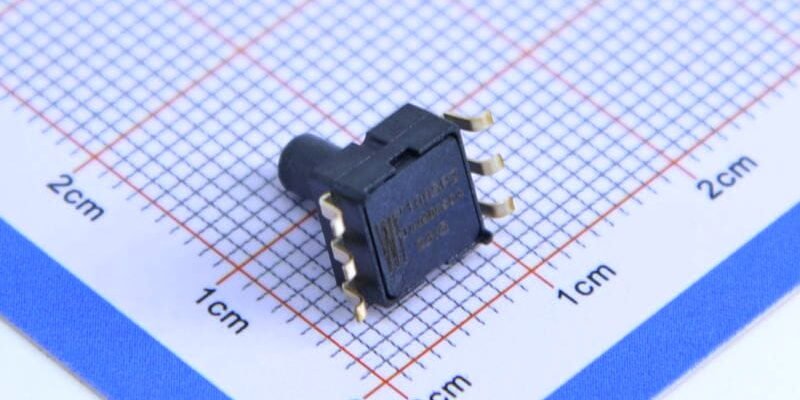
Les pompes à vide modernes ne se limitent plus à simplement générer une aspiration : elles évoluent vers un contrôle intelligent et précis. En intégrant des capteurs de pression de haute précision, les systèmes de pompes à vide peuvent surveiller la pression négative en temps réel et ajuster dynamiquement le débit, garantissant ainsi un fonctionnement stable et une mesure précise tout en minimisant les risques liés aux équipements. Cet article explique comment les capteurs de pression des pompes à vide, tels que ceux du Série WF100E, exploitez une technologie de pointe pour obtenir une mesure de pression négative de haute précision, révolutionnant ainsi les applications dans les environnements industriels, médicaux et IoT.
Catalogue
Comment fonctionne le capteur de pression
Le cœur d’une pompe à vide réside dans sa capacité à générer et à maintenir une pression négative stable, une tâche qui nécessite une mesure précise de la pression. Les capteurs de la série WF100E utilisent la technologie MEMS de pointe couplée au traitement des signaux mixtes CMOS pour garantir que chaque mesure répond aux normes de haute précision. Les principaux aspects de leur fonctionnement comprennent :
Surveillance de la pression en temps réel
Le capteur convertit la pression physique en signal de tension électrique, avec une plage de sortie standard de 0,2 à 4,7 V. Utiliser la formule

Il calcule avec précision la pression négative.
Compensation de température et stabilité à long terme
Fonctionnant sur une large plage de températures allant de -40 °C à 125 °C, le capteur maintient une linéarité élevée (erreur FS ≤ 0,5 %) et une faible dérive du zéro (± 0,03 FS/°C), garantissant des performances fiables dans diverses conditions environnementales.
Conditionnement du signal et transmission de données
Un ASIC de conditionnement de signal intégré amplifie et corrige le signal brut, transmettant les données via des interfaces standard (telles que I2C ou SPI) au système de contrôle pour une régulation dynamique de la pression négative.
L'importance du contrôle intelligent de la pression négative
Dans de nombreuses applications, la mesure de pression négative affecte non seulement l’efficacité d’un système mais également sa sécurité et son confort d’utilisation :
Contrôle de précision
Grâce au retour de données en temps réel, la pompe à vide peut ajuster automatiquement l'aspiration pour maintenir une pression négative dans une plage optimale, évitant ainsi les problèmes causés par une aspiration excessive ou insuffisante.
Efficacité améliorée du système
L'ajustement dynamique de l'aspiration conduit à des opérations plus réactives, à des cycles de travail plus courts, à une consommation d'énergie réduite et à une durée de vie plus longue de l'équipement.
Gestion des données intelligentes
Lorsqu'ils sont combinés à la technologie IoT, les capteurs peuvent transmettre des données en temps réel aux plates-formes cloud, permettant aux utilisateurs ou aux techniciens d'analyser et d'optimiser les paramètres de fonctionnement pour une fabrication et une surveillance à distance plus intelligentes.
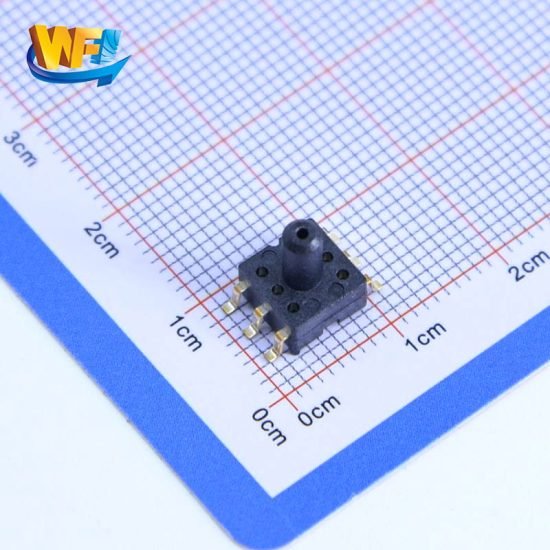
Le rôle des capteurs de pression dans les systèmes de pompe à vide
Les capteurs de pression jouent un rôle essentiel dans les systèmes de pompes à vide, avec des avantages clés tels que :
Surveillance en temps réel des changements de pression négatifs
La mesure précise de chaque fluctuation de pression fournit une base de données fiable pour le système.
Ajustement d'aspiration automatique
Basé sur des données en temps réel, le système peut moduler rapidement l'aspiration pour maintenir la pression négative dans une plage prédéfinie, améliorant ainsi la stabilité globale.
Journalisation des données et gestion à distance
Grâce aux plateformes de visualisation, les utilisateurs peuvent suivre les données historiques, analyser les performances du système et résoudre de manière proactive les problèmes potentiels.
Ingénierie et maintenance optimisées
Une intégration élevée réduit la complexité des circuits, simplifiant la conception du système et rationalisant les efforts de maintenance.
Paramètres de fonctionnement détaillés des capteurs de vide (supplémentaires)
S'appuyant sur le rôle global du système, les capteurs de vide doivent également répondre à une série d'exigences techniques strictes pour garantir que les pompes à vide fonctionnent de manière fiable et efficace dans diverses conditions. Plus précisément, les capteurs sont conçus avec les caractéristiques suivantes :
Plage de mesure de pression :
Généralement conçu pour fonctionner dans une gamme de -100kPa à 0kPa, assurant une couverture pour la plupart des applications de pompes à vide.
Précision:
Le capteur maintient une erreur à grande échelle dans ± 1% portée, couplée à une faible dérive du zéro (± 0,03 fs / ℃) pour fournir des mesures de haute précision à long terme.
Résolution:
En tirant parti de la plage de sortie standard de 0,2 à 4,7 V et de la formule de conversion, chaque changement de tension incrémentiel correspond à de subtiles variations de pression, permettant au capteur de détecter efficacement même des fluctuations mineures (0Résolution de 0,001 kPa).
Taux de réponse :
Utilisant la technologie MEMS avancée et le conditionnement de signal intégré, le capteur offre une 1 ms capacités de réponse pour capturer les changements de pression en temps réel, répondant aux exigences de charge dynamique et permettant des ajustements rapides de l'aspiration.
Compensation de la température de fonctionnement :
Avec une plage de fonctionnement robuste de -40°C à 125°C, le mécanisme de compensation de température intégré au capteur minimise l'impact des fluctuations de température sur la précision des mesures, garantissant ainsi une linéarité et une précision élevées dans divers environnements.
Conclusion
L'intégration de capteurs de pression dans les systèmes de pompes à vide entraîne le passage d'un contrôle d'aspiration conventionnel à une gestion intelligente et précise. Représentés par la série WF100E, les capteurs de haute précision excellent dans la mesure en temps réel, l'ajustement automatique et la compensation de température, offrant des solutions sûres, efficaces et intelligentes dans diverses industries. À mesure que la technologie progresse, nous pouvons nous attendre à ce que ces systèmes intelligents jouent un rôle encore plus important dans les applications d’automatisation industrielle, de soins de santé et d’IoT, établissant ainsi de nouvelles références en matière d’innovation et de fiabilité.
L’introduction ci-dessus ne fait qu’effleurer la surface des applications de la technologie des capteurs de pression. Nous continuerons à explorer les différents types d’éléments capteurs utilisés dans divers produits, leur fonctionnement ainsi que leurs avantages et inconvénients. Si tu’D Like plus de détails sur ce’Comme discuté ici, vous pouvez consulter le contenu associé plus loin dans ce guide. Si vous êtes pressé par le temps, vous pouvez également cliquer ici pour télécharger les détails de ce guide Données PDF du produit du capteur de pression d'air.
Pour plus d'informations sur d'autres technologies de capteurs, veuillez Visitez notre page de capteurs.