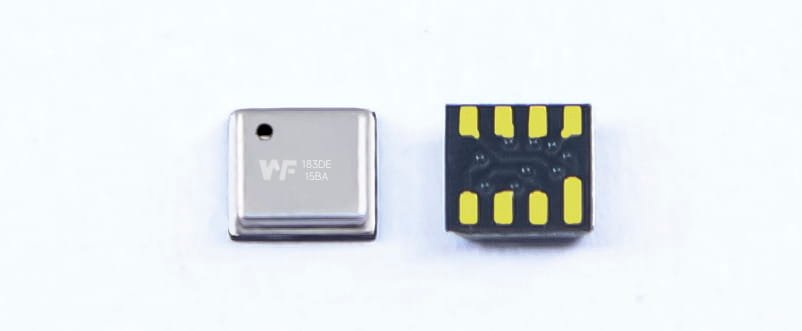
La mesure de la pression est fondamentale pour d'innombrables applications industrielles, des processus de fabrication à la recherche scientifique. Ce guide démystifie la relation entre la pression absolue et la pression du vide, en fournissant des informations pratiques pour sélectionner et utiliser efficacement les instruments de mesure de pression. Nous’Nous explorerons ce qui se passe lors de la mesure des conditions de vide et comment les capteurs de pression absolue fonctionnent dans ces environnements.
Catalogue
Introduction à la mesure de la pression
La mesure de la pression est essentielle dans de nombreuses industries et applications. Qu'il s'agisse d'assurer la sécurité des récipients sous pression ou d'optimiser l'efficacité des processus, une surveillance appropriée de la pression peut faire la différence entre des opérations fluides et des pannes catastrophiques. Cependant, pour utiliser efficacement les mesures de pression, vous devez d'abord comprendre les différents types de pression et leurs relations les uns avec les autres.
Dans l’industrie des instruments de pression, la confusion entre pression absolue, relative et pression sous vide est remarquablement courante. Cette confusion conduit souvent à une sélection incorrecte des jauges, à une mauvaise interprétation des lectures et, finalement, à des inefficacités de processus ou à des problèmes de sécurité.
La pression est fondamentalement définie comme la force par unité de surface. Cependant, la manière dont nous mesurons et référençons cette force crée différents types de pression. Le point de référence que nous choisissons est d’une importance cruciale – cela change non seulement les chiffres que nous voyons, mais aussi la façon dont nous interprétons et utilisons ces mesures
Avant de plonger plus profondément dans la pression absolue dans les systèmes à vide, il’Il est essentiel d’établir une base solide concernant les types de pression de base et leurs points de référence. Cette compréhension servira de base à des discussions plus complexes tout au long de cet article.
Qu’est-ce que la pression absolue ?
La pression absolue se réfère à la pression mesurée par rapport à la pression nulle absolue – un vide parfait où aucune molécule n’existe pour exercer une quelconque pression. Ce concept est fondamental pour comprendre toutes les mesures de pression car il fournit un point de référence immuable.
Au niveau de la mer, la pression atmosphérique standard est d'environ 14,7 psi (livres par pouce carré) ou 101,325 kPa (kilopascals) en termes absolus. Cela signifie que même lorsqu'un manomètre standard indique « zéro, » nous’nous ressentons actuellement une pression d'environ 14,7 psi de l'atmosphère qui nous entoure
La principale caractéristique de la pression absolue est qu’elle ne peut jamais être négative. Depuis’Par rapport au vide parfait (qui est zéro), toutes les lectures de pression absolue doivent être positives. Même dans le vide le plus profond que nous pouvons créer avec la technologie moderne, certaines molécules sont toujours présentes, exerçant une infime pression.
La pression absolue (Pabs) peut être exprimée mathématiquement comme suit :
Pabs = Pjauge + Patmosphérique
Où:
Pgauge est la lecture de pression sur une jauge standard
La patmosphérique est la pression atmosphérique locale (environ 14,7 psi au niveau de la mer)
Il’Il convient de noter que la pression atmosphérique varie en fonction de l'altitude et des conditions météorologiques. À des altitudes plus élevées, la pression atmosphérique diminue considérablement. Les systèmes météorologiques peuvent également provoquer des fluctuations de la pression barométrique, ce qui peut avoir un impact sur les lectures de pression absolue si elles ne sont pas prises en compte.
Comprendre la pression de vide
La pression du vide représente une pression inférieure à la pression atmosphérique environnante. En termes pratiques, il’s une pression manométrique négative, indiquant une aspiration ou la « tirage » Effet que nous associons aux aspirateurs
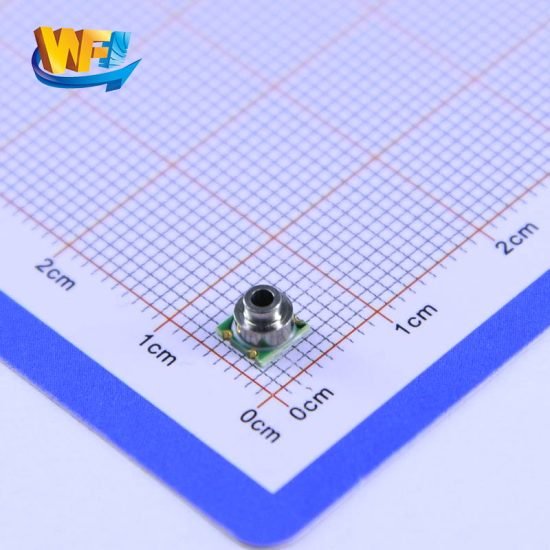
Lorsqu'on parle de pression sous vide, il’est important de reconnaître que nous’Nous utilisons toujours la pression atmosphérique comme point de référence. Un vide parfait s'enregistrerait à -14,7 psi sur une échelle de pression manométrique au niveau de la mer (ou quelle que soit la pression atmosphérique locale)
La pression du vide est généralement mesurée dans des unités différentes de la pression positive, ce qui ajoute une autre couche de confusion potentielle. Les unités à vide courantes comprennent :
Pouces de mercure (inHg)
Torr (1 Torr = 1 mmHg)
Microns (1 micron = 0,001 Torr)
Pourcentage de vide
La relation entre la pression du vide et la pression absolue est simple mais souvent mal comprise. Un vide complet (bien que pratiquement irréalisable) s’exprimerait comme suit :
0 psia (pression absolue)
-14,7 psig (pression manométrique au niveau de la mer)
Vide de 30 inHg (pouces de mercure)
Dans les applications industrielles, les pressions sous vide sont couramment utilisées dans des processus tels que la distillation, la filtration, la lyophilisation et le conditionnement. Chaque application a des exigences spécifiques en matière de vide, ce qui rend cruciale une mesure appropriée.
Relation entre la pression absolue et l'aspirateur
La relation entre la pression absolue et la pression du vide est fondamentale pour comprendre les systèmes de mesure de pression. Comme mentionné précédemment, ils’il existe des manières essentiellement différentes de décrire la même réalité physique, juste avec des points de référence différents
Laisser’clarifions cette relation avec quelques exemples :
Un vide parfait (théoriquement) :
Pression absolue : 0 psi
Pression de vide : 30 inHg (au niveau de la mer)
Pression atmosphérique au niveau de la mer :
Pression absolue : 14,7 psia
Pression du vide : 0 inHg
50% de vide au niveau de la mer :
Pression absolue : environ 7,35 psia
Pression du vide : 15 inHg
La relation mathématique peut être exprimée comme suit :
Pabsolute = patmosphérique – Pvacuum
Où pvacuum est exprimé dans les mêmes unités que patmosphériques
Il’est important de noter que même si nous parlons généralement de « pression sous vide, » ce terme peut être trompeur puisque le vide représente en réalité l’absence de pression. Plus précisément, ce que nous appelons la pression du vide est la différence de pression entre le système et l'atmosphère environnante.
Lors de la validation des systèmes de confinement dans les salles blanches pharmaceutiques, sachant que ce que nous’La mesure d'une pression différentielle plutôt que d'un vide absolu aide les techniciens à configurer correctement l'équipement de surveillance et à interpréter correctement les résultats.
Comment fonctionne un capteur de pression absolue ?
Les capteurs de pression absolue sont des instruments spécialisés conçus pour mesurer la pression par rapport au vide parfait. Contrairement aux capteurs de pression relative qui utilisent la pression atmosphérique comme référence, les capteurs de pression absolue utilisent une chambre de référence scellée contenant soit un vide poussé, soit une pression de référence connue.
Le principe de fonctionnement de base d'un capteur de pression absolue implique :
Un élément sensible (diaphragme, soufflet ou tube de Bourdon) qui se déforme sous la pression
Une chambre de référence scellée évacuée vers un vide presque parfait
Un mécanisme pour convertir la déformation mécanique en un signal électrique
Composants électroniques pour le traitement du signal et la génération de sortie
Les capteurs de pression absolue modernes utilisent généralement l’une des technologies suivantes :
Capteurs piézorésistifs : ils contiennent un diaphragme en silicium avec des résistances intégrées qui changent de résistance lorsque le diaphragme se déforme sous pression. Ils’sont courants dans les applications industrielles en raison de leur robustesse et de leur précision.
Capteurs capacitifs : ceux-ci mesurent la pression en détectant les changements de capacité entre un diaphragme flexible et une plaque fixe lorsque la pression change. Ils excellent dans les applications basse pression nécessitant une sensibilité élevée.
Capteurs résonants : ceux-ci mesurent la pression en détectant les changements dans la fréquence de résonance d'un élément vibrant à mesure que la pression change. Ils offrent une excellente stabilité et précision mais à un coût plus élevé.
Capteurs optiques : ils utilisent l'interaction de la lumière avec un élément sensible à la pression pour déterminer la pression. Ils’Il est idéal pour les environnements soumis à des interférences électromagnétiques.
Pour la mesure du vide en particulier, des jauges à vide spécialisées telles que des jauges à thermocouple, des jauges à ionisation ou des jauges Pirani peuvent être utilisées pour les très basses pressions là où les capteurs de pression absolue standard peuvent manquer de résolution.
Lors de la surveillance des chambres à vide pour le dépôt en phase vapeur dans la fabrication de semi-conducteurs, les jauges à ionisation fournissent la précision nécessaire à des pressions extrêmement basses (inférieures à 10^-3 Torr), tandis que les capteurs capacitifs fonctionnent mieux pour les étapes à pression plus élevée du processus.
Applications de la mesure de la pression absolue
La mesure de la pression absolue joue un rôle crucial dans de nombreuses industries et applications. Comprendre quand et pourquoi la mesure de la pression absolue est nécessaire peut vous aider à prendre de meilleures décisions dans votre contexte spécifique.
Voici quelques applications clés dans lesquelles la mesure de la pression absolue est particulièrement importante :
Prévisions météorologiques et altimétrie
La pression barométrique, mesurée sous forme de pression absolue, est fondamentale pour la prévision météorologique. Les météorologues suivent ces changements de pression pour prédire les conditions météorologiques et les tempêtes. De même, les altimètres des avions utilisent des mesures de pression absolue pour déterminer l'altitude en fonction de la relation entre la pression et l'élévation.
Traitement et emballage de l'aspirateur
Des industries telles que l’emballage alimentaire, la production pharmaceutique et la fabrication de semi-conducteurs dépendent fortement des processus sous vide. Les capteurs de pression absolue garantissent le maintien de niveaux de vide précis pour la qualité des produits et l'efficacité des processus.1.
Par exemple, dans les emballages alimentaires, maintenir un niveau de vide correct est essentiel pour prolonger la durée de conservation. Un vide trop faible pourrait entraîner une détérioration, tandis qu'un vide excessif pourrait endommager les produits délicats.
Systèmes de CVC et réfrigération
Les systèmes de chauffage, de ventilation, de climatisation et de réfrigération utilisent des mesures de pression absolue pour surveiller les pressions du réfrigérant, optimiser le fonctionnement du compresseur et garantir l'efficacité du système. La relation entre la pression et la température dans les réfrigérants rend la surveillance de la pression absolue essentielle pour ces systèmes.
Recherche en laboratoire
La recherche scientifique nécessite souvent un contrôle et une mesure précis des conditions de pression. Du dépôt chimique en phase vapeur à la distillation sous vide, les mesures de pression absolue fournissent aux chercheurs les données nécessaires pour des expériences reproductibles et des résultats précis.
Aérospatial et aviation
Au-delà de l'altimétrie, les applications aérospatiales nécessitent des mesures de pression absolue pour la surveillance des performances du moteur, les systèmes de pressurisation de la cabine et le test des composants dans diverses conditions de pression. Les environnements d’exploitation extrêmes dans l’aérospatiale rendent la mesure fiable de la pression absolue essentielle à la sécurité et aux performances.
Dans les appareils respiratoires médicaux critiques, les capteurs de pression absolue garantissent une administration constante du traitement, que l'appareil soit utilisé au niveau de la mer ou dans des endroits à haute altitude, car les mesures restent cohérentes quelles que soient les conditions atmosphériques ambiantes.
Choisir le bon manomètre pour vos besoins
La sélection du manomètre ou du capteur approprié est cruciale pour des mesures précises et un contrôle optimal du processus. Le choix entre des instruments de pression absolue, relative ou composée dépend des exigences spécifiques de votre application.
Quand utiliser des manomètres absolus
Envisagez d'utiliser des instruments de pression absolue lorsque :
Vous avez besoin de mesures indépendantes des fluctuations de la pression atmosphérique
Votre application implique des processus de vide où la référence à un vide parfaite est importante
Toi’RETAGNE avec des systèmes scellés où la référence atmosphérique n'est pas’t disponible
Vos mesures doivent être comparables à différentes altitudes ou conditions météorologiques.
Quand utiliser les manomètres
Les vacuomètres sont les plus appropriés lorsque :
Toi’concernant principalement le niveau de vide par rapport à l'atmosphère
Votre processus fonctionne entièrement en dessous de la pression atmosphérique
Vous devez visualiser le niveau de vide dans des unités familières comme des pouces de mercure
Toi’Repannage des systèmes d'aspirateur ou détection des fuites
Les applications courantes incluent les services CVC, les systèmes de pompage sous vide, l'emballage sous vide et les processus de filtration.
Considérations de sélection pratiques
Au-delà du type de mesure de pression, tenez compte de ces facteurs lors de la sélection des instruments de pression :
Exigences de précision : quelle doit être la précision de vos mesures ?
Plage de pression : Quelles sont les pressions minimale et maximale que vous devez mesurer ?
Conditions environnementales : température, humidité, vibrations et éléments corrosifs
Exigences de sortie : avez-vous besoin d'un affichage local, d'une sortie électrique ou des deux ?
Exigences de sécurité : protection contre les surpressions, conception intrinsèquement sûre pour les zones dangereuses
Contraintes budgétaires : équilibrez les besoins de performances avec les considérations de coûts.
Dans l'optimisation du processus de fermentation dans les brasseries, l'utilisation de capteurs de pression absolue au lieu de capteurs de pression manométrique standard peut éliminer les variations causées par les changements de pression barométrique, ce qui améliore la cohérence des lots.
Conclusion
Comprendre la relation entre la pression absolue et la pression du vide est essentiel pour une mesure, une interprétation et une application appropriées dans les processus industriels. Pour résumer les points clés :
La pression absolue est mesurée par rapport au vide parfait (pression nulle) et ne peut jamais être négative
La pression de vide est mesurée par rapport à la pression atmosphérique et représente la pression en dessous de l'atmosphère
La pression absolue dans un système de vide est égale à la pression atmosphérique moins la pression de vide
Différentes applications nécessitent des types de mesure de pression différents – absolu, jauge, vide ou composé
La sélection de l'instrument de pression approprié dépend des besoins spécifiques de votre application et des conditions environnementales.
Si vous’Qu'il s'agisse de concevoir des systèmes de vide, de résoudre des problèmes liés à la pression ou d'optimiser des processus industriels, une compréhension claire de ces concepts de pression améliorera votre prise de décision et vos résultats.
N'oubliez pas que même si les instruments de pression modernes sont très sophistiqués, les concepts fondamentaux restent simples. – il’Il s’agit avant tout de choisir le bon point de référence pour vos mesures et de comprendre les relations entre les différents types de pression.
À mesure que la technologie progresse, nous’Nous assistons à des développements passionnants dans la technologie de mesure de pression, notamment la connectivité sans fil, la compensation de température intégrée et les diagnostics intelligents. Ces innovations rendent la mesure de la pression plus précise, plus pratique et plus intégrée que jamais à des systèmes de contrôle de processus plus larges.
L’introduction ci-dessus ne fait qu’effleurer la surface des applications de la technologie des capteurs de pression. Nous continuerons à explorer les différents types d’éléments capteurs utilisés dans divers produits, leur fonctionnement ainsi que leurs avantages et inconvénients. Si tu’D Like plus de détails sur ce’Comme discuté ici, vous pouvez consulter le contenu associé plus loin dans ce guide. Si vous êtes pressé par le temps, vous pouvez également cliquer ici pour télécharger les détails de ce guide Données PDF du produit du capteur de pression d'air.
Pour plus d'informations sur d'autres technologies de capteurs, veuillez Visitez notre page de capteurs.