
Nowadays, many car owners pay special attention to whether the vehicle is equipped with a tire pressure monitoring system (TPMS). After all, TPMS plays a crucial role in driving safety, ensuring the safety of both drivers and passengers. But how does a TPMS actually work? What role do pressure sensors play in it? Let’s dive into this topic.
Catalogue
Type 1: Built-in Direct Measurement
The most distinctive feature of this method is that it can monitor the tire pressure of each wheel individually and display the pressure value digitally on the dashboard or display screen. This way, the driver can clearly see the real-time pressure status of each tire. If any tire’s pressure goes out of the normal range, the onboard computer will immediately issue an alert, prompting the driver to take action.
Principle of Built-in Direct Measurement TPMS
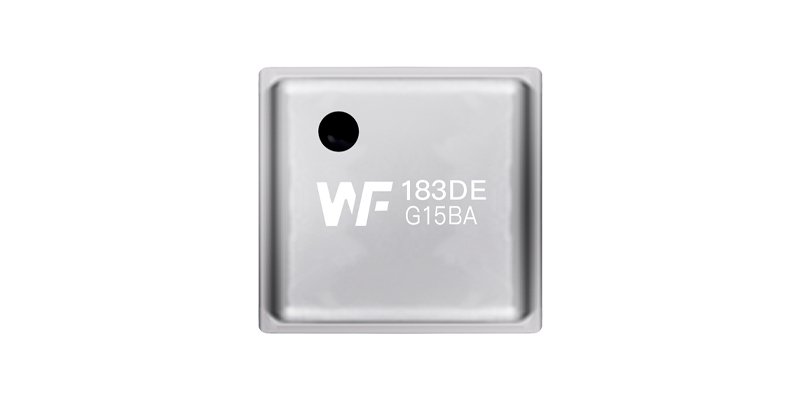
The core of this method lies in the pressure sensor built into each tire, usually located near the valve stem. In original factory configurations, it is often integrated with the valve itself. The pressure sensor is powered by an internal battery, which measures tire pressure and transmits the data wirelessly to the vehicle’s receiver, displaying the exact value on the dashboard.
Advantages of this sensor include accurate pressure readings without the need for manual calibration. However, it also has drawbacks, such as higher maintenance and replacement costs, and variable battery life.
Type 2: External Direct Measurement
Similar to the built-in type, the external direct measurement TPMS also monitors each tire individually. The difference is that the sensor is mounted outside the tire, like a valve cap. While the core principle remains the same—wirelessly transmitting pressure data to a receiver—the installation and replacement are simpler and more cost-effective.
Advantages: Easy installation and quick pressure reading. Disadvantages: Lower reliability due to exposure, prone to damage or theft, and shorter battery life.
Type 3: Indirect Measurement via ABS Wheel Speed Sensors
This method does not directly measure tire pressure but estimates changes by comparing the rotational speeds of the four tires. When a tire’s pressure drops, its rotational speed changes, allowing the onboard computer to analyze the difference and trigger a pressure warning when necessary.
The Role of Pressure Sensors in TPMS
To sum up, pressure sensors are the core components of TPMS, whether through direct measurement or indirect estimation. They play a vital role in ensuring driving safety by providing real-time monitoring and alerting drivers to potential risks, ultimately reducing accident rates.
L’introduction ci-dessus ne fait qu’effleurer la surface des applications de la technologie des capteurs de pression. Nous continuerons à explorer les différents types d’éléments capteurs utilisés dans divers produits, leur fonctionnement ainsi que leurs avantages et inconvénients. Si tu’D Like plus de détails sur ce’Comme discuté ici, vous pouvez consulter le contenu associé plus loin dans ce guide. Si vous êtes pressé par le temps, vous pouvez également cliquer ici pour télécharger les détails de ce guide Données PDF du produit du capteur de pression d'air.
Pour plus d'informations sur d'autres technologies de capteurs, veuillez Visitez notre page de capteurs.


