Catalogar
Meteorological monitoring, outdoor equipment, intelligent transportation, and environmental detection increasingly rely on accurate and reliable barometric pressure sensors to obtain critical environmental data. However, these devices are often exposed to harsh climate conditions including wind, rain, high temperature, high humidity, sand erosion, and even ice and snow freezing for extended periods. Waterproof barometric pressure sensors provide essential protection for stable operation in harsh environments through excellent protective performance and environmental adaptability.
1. Core Principles and Structural Characteristics
Diseño estructural clave y tecnología de embalaje
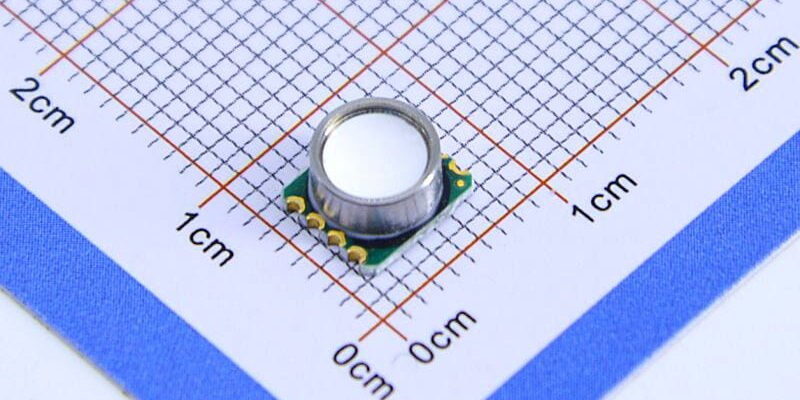
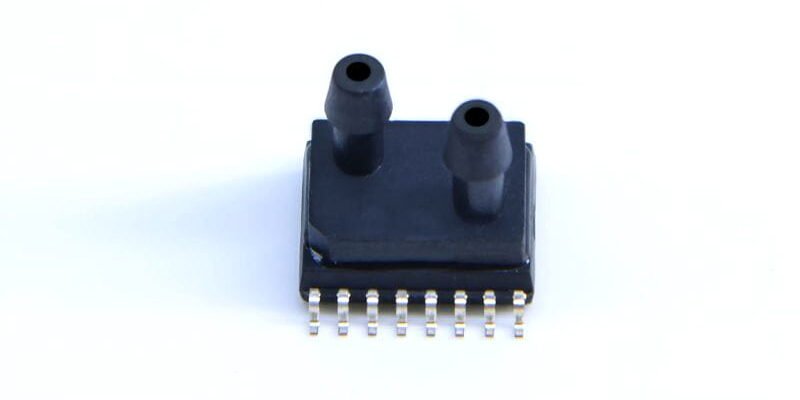
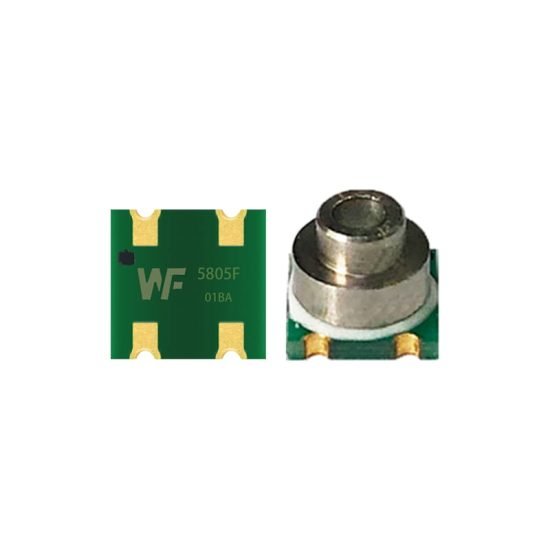
Waterproof barometric sensors utilize fully sealed housing structures with high-strength silicone and epoxy resin sealing materials at shell joints to effectively prevent water vapor from penetrating the sensor interior. Internal MEMS chips are manufactured through precision micromachining processes, ensuring stable pressure sensing capability while maintaining micrometer-level structural precision.
Selección de material y resistencia al clima
These sensors widely adopt corrosion-resistant, UV-resistant materials such as stainless steel, PPS, and PTFE, supplemented by IP67/IP68 or higher packaging standards. Under extreme climate conditions like acid rain, high salt fog, and high humidity/temperature environments, sensors maintain long-term stable operation.
Algoritmos de procesamiento de señales y compensación
Modern waterproof barometric sensors incorporate built-in temperature compensation circuits and digital signal processing chips, enabling real-time correction of zero drift and full-scale output changes caused by temperature variations.
2. Typical Application Requirements Under Harsh Climate Conditions
Alta humedad de la lluvia/nieve adaptabilidad ambiental
In tropical rainforests, subtropical coastal areas, and northern ice/snow regions, sensors must withstand long-term exposure to high humidity or freezing conditions. Waterproof barometric sensors effectively solve technical challenges through high-protection housings and anti-condensation designs.
Respuesta al escenario de exposición a alta temperatura
In deserts, summer high-temperature cities, or high-altitude regions where surface temperatures regularly exceed 50°C, sensors face extreme requirements for thermal stability and UV resistance. Waterproof sensors enhance heat resistance and extend equipment lifespan through high-temperature materials and reflective coating protective housings.
Fuerte viento/arena y protección de atmósfera corrosiva
In arid, windy, dusty regions, sensors are susceptible to sand intrusion causing diaphragm wear, interface blockage, or mechanical jamming. Waterproof designs simultaneously provide dust and corrosion resistance, enabling long-cycle operation in complex atmospheric conditions.
3. Core Performance Indicators Ensuring Long-term Stability
Nivel de protección y rendimiento de sellado
Waterproof barometric sensors typically adopt IP67, IP68, or higher sealing standards, meaning they can continuously operate submerged over one meter deep for hours without functional impact while effectively blocking dust particle intrusion.
Adaptabilidad de la temperatura y estabilidad térmica
High-quality sensors typically accommodate temperature ranges from −40℃ to +85℃ or wider. Through internal circuit temperature compensation modules or thermal control algorithms, sensors maintain precision without drift during severe temperature fluctuations.
Capacidad anti-interferencia e integridad de la señal
Waterproof sensors often feature EMI designs preventing signal fluctuations from lightning, radio signals, and transformer induction. Multi-layer PCB protection and surge resistance designs further enhance anti-interference and electrical strike resistance.
4. Key Application Industry Scenario Analysis
Transporte inteligente y sistemas meteorológicos
Highways, bridge tunnels, and urban weather stations require 24/7 operation in wind, rain, high temperature, and high humidity open areas. Waterproof sensors monitor atmospheric pressure changes for weather prediction and flood/landslide risk warnings.
Aplicaciones de monitoreo marino y pesquero
Shipborne instruments, seabed sensor platforms, and aquaculture monitoring systems deployed in coastal or marine environments face long-term high-salt corrosion and surge impacts. Waterproof sensors ensure continuous and accurate data acquisition through high-sealing housings and corrosion-resistant electrode materials.
Agricultura inteligente y detección ambiental
In farmlands or forest grasslands requiring long-term monitoring of pressure and climate changes for precipitation prediction and irrigation/pest control assistance, waterproof sensors resist dew, rain, snow, and animal interference as indispensable components of smart agriculture systems.
5. Technological Evolution and Development Trends
Desarrollo de miniaturización e integración
New MEMS packaging technologies significantly reduce sensor sizes for easy integration into smaller spaces like wearable devices, smart textiles, and micro-drones. Multi-sensor fusion trends drive integration of pressure, temperature, humidity, and light sensors into single chips for comprehensive environmental monitoring.
Integración de inteligencia e informática de borde
Future waterproof sensors will incorporate local AI modules for edge recognition and early warning of abnormal pressure changes, such as pre-flood pressure anomaly warnings or high-altitude human tolerance assessments.
Aplicaciones de innovación de ciencias de materiales
Applications of high-performance nanomaterials, self-healing coatings, and graphene diaphragms will further improve sensor weather resistance and lifespan, particularly in high-corrosion, strong-radiation environments.
Conclusión
Waterproof barometric pressure sensors, as core components of modern environmental monitoring systems, successfully address traditional sensor application challenges in harsh climate conditions through advanced packaging technology, quality material selection, and intelligent signal processing. Their excellent protective performance, stable measurement accuracy, and wide applicability make them irreplaceable in intelligent transportation, marine monitoring, smart agriculture, and other critical fields.
La introducción anterior sólo toca la superficie de las aplicaciones de la tecnología de sensores de presión. Continuaremos explorando los diferentes tipos de elementos sensores utilizados en diversos productos, cómo funcionan y sus ventajas y desventajas. Si desea obtener más detalles sobre lo que se analiza aquí, puede consultar el contenido relacionado más adelante en esta guía. Si tiene poco tiempo, también puede hacer clic aquí para descargar los detalles de estas guías. Producto del sensor de presión de aire datos PDF.
Para obtener más información sobre otras tecnologías de sensores, por favor Visite nuestra página de sensores.