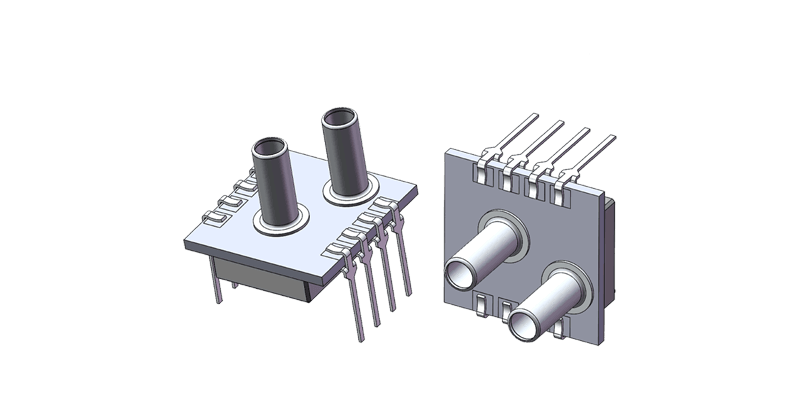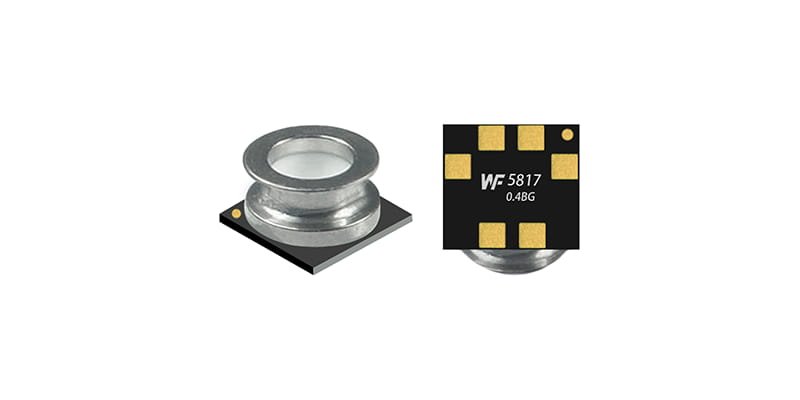
La medición de presión es fundamental para innumerables aplicaciones industriales, desde procesos de fabricación hasta investigaciones científicas. Esta guía desmitifica la relación entre la presión absoluta y la presión de vacío y proporciona información práctica para seleccionar y utilizar instrumentos de medición de presión de manera efectiva. Exploraremos lo que sucede al medir las condiciones de vacío y cómo funcionan los sensores de presión absoluta en estos entornos.
Catalogar
Introducción a la medición de la presión
La medición de presión es esencial en numerosas industrias y aplicaciones. Desde garantizar la seguridad en los recipientes a presión hasta optimizar la eficiencia del proceso, el monitoreo adecuado de la presión puede significar la diferencia entre operaciones fluidas y fallas catastróficas. Sin embargo, para utilizar eficazmente las mediciones de presión, primero debe comprender los diferentes tipos de presión y cómo se relacionan entre sí.
En la industria de instrumentación de presión, la confusión entre presión absoluta, manométrica y de vacío es notablemente común. Esta confusión a menudo conduce a una selección incorrecta de medidores, una mala interpretación de las lecturas y, en última instancia, ineficiencias en el proceso o problemas de seguridad.
La presión se define fundamentalmente como fuerza por unidad de área. Sin embargo, la forma en que medimos y hacemos referencia a esta fuerza crea diferentes tipos de presión. El punto de referencia que elijamos es de vital importancia – cambia no solo los números que vemos, sino también cómo interpretamos y usamos esas medidas.
Antes de profundizar en la presión absoluta en los sistemas de vacío, es esencial establecer una base sólida sobre los tipos de presión básicos y sus puntos de referencia. Esta comprensión servirá como base para discusiones más complejas a lo largo de este artículo.
¿Qué es la presión absoluta?
La presión absoluta se refiere a la presión medida en relación con la presión cero absoluta – un vacío perfecto donde no existen moléculas que ejerzan presión alguna. Este concepto es fundamental para comprender todas las mediciones de presión, ya que proporciona un punto de referencia invariable.
Al nivel del mar, la presión atmosférica estándar es de aproximadamente 14,7 psi (libras por pulgada cuadrada) o 101,325 kPa (kilopascales) en términos absolutos. Esto significa que incluso cuando un manómetro estándar indica «cero,» En realidad, estamos experimentando alrededor de 14,7 psi de presión de la atmósfera que nos rodea.
La característica clave de la presión absoluta es que nunca puede ser negativa. Dado que se hace referencia al vacío perfecto (que es cero), todas las lecturas de presión absoluta deben ser positivas. Incluso en el vacío más profundo que podemos crear con la tecnología moderna, todavía hay algunas moléculas presentes que ejercen una pequeña cantidad de presión.
La presión absoluta (Pabs) se puede expresar matemáticamente como:
Pabs = Pgauge + Patmosférico
Dónde:
Pgauge es la lectura de presión sobre un medidor estándar
Patmosférica es la presión atmosférica local (aproximadamente 14,7 psi al nivel del mar)
Vale la pena señalar que la presión atmosférica varía según la altitud y las condiciones climáticas. En elevaciones más altas, la presión atmosférica disminuye significativamente. Los sistemas climáticos también pueden hacer que la presión barométrica fluctúe, lo que puede afectar las lecturas de presión absoluta si no se tiene en cuenta.
Comprender la presión del vacío
La presión de vacío representa una presión inferior a la presión atmosférica circundante. En términos prácticos, es una presión manométrica negativa, que indica succión o la «tracción» efecto asociamos con las aspiradoras
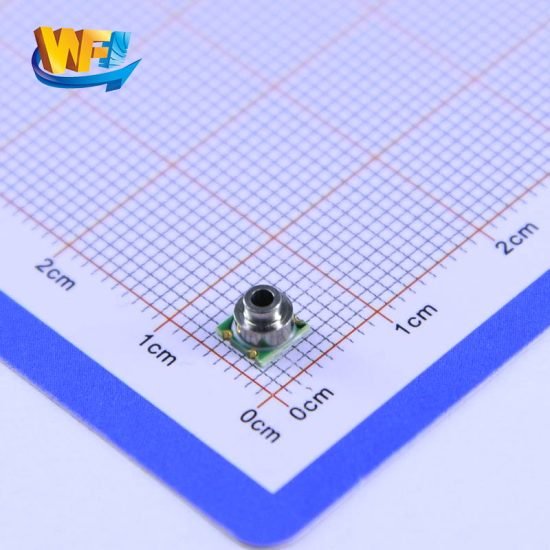
Cuando se habla de presión de vacío, es importante reconocer que todavía utilizamos la presión atmosférica como punto de referencia. Un vacío perfecto se registraría como -14,7 psi en una escala de presión manométrica al nivel del mar (o cualquiera que sea la presión atmosférica local).
La presión de vacío generalmente se mide en unidades diferentes a las de la presión positiva, lo que agrega otra capa de posible confusión. Las unidades de vacío comunes incluyen:
Pulgadas de mercurio (inHg)
Torr (1 Torr = 1 mmHg)
Micrones (1 micrón = 0,001 Torr)
Porcentaje de vacío
La relación entre la presión de vacío y la presión absoluta es sencilla pero a menudo se malinterpreta. Un vacío total (aunque prácticamente inalcanzable) se registraría como:
0 psia (presión absoluta)
-14,7 psig (presión manométrica al nivel del mar)
Vacío de 30 inHg (pulgadas de mercurio)
En aplicaciones industriales, las presiones de vacío se utilizan comúnmente en procesos como destilación, filtración, liofilización y envasado. Cada aplicación tiene requisitos de vacío específicos, lo que hace que la medición adecuada sea crucial.
Relación entre la presión absoluta y el vacío
La relación entre la presión absoluta y la presión de vacío es fundamental para comprender los sistemas de medición de presión. Como se mencionó anteriormente, son formas esencialmente diferentes de describir la misma realidad física, solo que con diferentes puntos de referencia.
Aclaremos esta relación con algunos ejemplos:
Un vacío perfecto (teóricamente):
Presión absoluta: 0 psia
Presión de vacío: 30 inHg (al nivel del mar)
Presión atmosférica al nivel del mar:
Presión absoluta: 14,7 psia
Presión de vacío: 0 pulgHg
50% de vacío al nivel del mar:
Presión absoluta: aproximadamente 7,35 psia
Presión de vacío: 15 pulgadas Hg
La relación matemática se puede expresar como:
Pabsolute = patmosférico – Pvacuo
Donde el pvacuum se expresa en las mismas unidades que Patmosférica
Es importante tener en cuenta que mientras comúnmente hablamos de «presión de vacío,» Este término puede resultar engañoso ya que el vacío en realidad representa la ausencia de presión. Más precisamente, lo que llamamos presión de vacío es la diferencia de presión entre el sistema y la atmósfera circundante.
Al validar sistemas de contención en salas blancas farmacéuticas, comprender que lo que estamos midiendo es realmente un diferencial de presión en lugar de un vacío absoluto ayuda a los técnicos a configurar adecuadamente el equipo de monitoreo e interpretar los resultados correctamente.
¿Cómo funciona un sensor de presión absoluta?
Los sensores de presión absoluta son instrumentos especializados diseñados para medir la presión relativa al vacío perfecto. A diferencia de los sensores de presión manométrica que utilizan la presión atmosférica como referencia, los sensores de presión absoluta utilizan una cámara de referencia sellada que contiene un alto vacío o una presión de referencia conocida.
El principio de funcionamiento básico de un sensor de presión absoluta implica:
Un elemento sensor (diafragma, fuelle o tubo Bourdon) que se deforma bajo presión.
Una cámara de referencia sellada evacuada a una aspiradora casi perfecta
Un mecanismo para convertir la deformación mecánica en una señal eléctrica
Componentes electrónicos para el procesamiento de señales y la generación de salida
Los sensores de presión absoluta modernos suelen utilizar una de varias tecnologías:
Sensores piezorresistivos: contienen un diafragma de silicio con resistencias integradas que cambian la resistencia cuando el diafragma se deforma bajo presión. Son comunes en aplicaciones industriales debido a su robustez y precisión.
Sensores capacitivos: miden la presión detectando cambios en la capacitancia entre un diafragma flexible y una placa fija a medida que cambia la presión. Destacan en aplicaciones de baja presión que requieren alta sensibilidad.
Sensores resonantes: miden la presión detectando cambios en la frecuencia de resonancia de un elemento vibratorio a medida que cambia la presión. Ofrecen una excelente estabilidad y precisión pero a un costo mayor.
Sensores ópticos: utilizan la interacción de la luz con un elemento sensible a la presión para determinar la presión. Son ideales para entornos con interferencias electromagnéticas.
Específicamente para la medición del vacío, se pueden usar vacuómetros especializados como medidores de termopar, medidores de ionización o medidores Pirani para presiones muy bajas donde los sensores de presión absoluta estándar pueden carecer de resolución.
Al monitorear las cámaras de vacío para detectar la deposición de vapor en la fabricación de semiconductores, los medidores de ionización brindan la precisión necesaria a presiones extremadamente bajas (por debajo de 10^-3 Torr), mientras que los sensores capacitivos funcionan mejor para las etapas del proceso de mayor presión.
Aplicaciones de medición de presión absoluta
La medición de la presión absoluta desempeña un papel crucial en numerosas industrias y aplicaciones. Comprender cuándo y por qué es necesaria la medición de la presión absoluta puede ayudarle a tomar mejores decisiones en su contexto específico.
A continuación se muestran algunas aplicaciones clave en las que la medición de la presión absoluta es particularmente importante:
Pronóstico del tiempo y altimetría
La presión barométrica, medida como presión absoluta, es fundamental para la predicción del tiempo. Los meteorólogos rastrean estos cambios de presión para predecir patrones climáticos y tormentas. De manera similar, los altímetros de los aviones utilizan mediciones de presión absoluta para determinar la altitud en función de la relación entre presión y elevación.
Procesamiento y embalaje al vacío
Industrias como el envasado de alimentos, la producción farmacéutica y la fabricación de semiconductores dependen en gran medida de los procesos de vacío. Los sensores de presión absoluta garantizan que se mantengan niveles de vacío precisos para la calidad del producto y la eficiencia del proceso.1.
Por ejemplo, en el envasado de alimentos, mantener el nivel de vacío correcto es esencial para prolongar la vida útil. Demasiado poco vacío podría provocar daños, mientras que un vacío excesivo podría dañar los productos delicados.
Sistemas HVAC y refrigeración
Los sistemas de calefacción, ventilación, aire acondicionado y refrigeración utilizan mediciones de presión absoluta para monitorear las presiones del refrigerante, optimizar el funcionamiento del compresor y garantizar la eficiencia del sistema. La relación entre presión y temperatura en los refrigerantes hace que el control de la presión absoluta sea fundamental para estos sistemas.
Investigación de laboratorio
La investigación científica a menudo requiere un control y una medición precisos de las condiciones de presión. Desde la deposición química de vapor hasta la destilación al vacío, las mediciones de presión absoluta brindan a los investigadores los datos necesarios para experimentos reproducibles y resultados precisos.
Aeroespacial y aviación
Más allá de la altimetría, las aplicaciones aeroespaciales requieren mediciones de presión absoluta para monitorear el rendimiento del motor, sistemas de presurización de la cabina y probar componentes en diversas condiciones de presión. Los entornos operativos extremos en el sector aeroespacial hacen que la medición confiable de la presión absoluta sea esencial para la seguridad y el rendimiento.
En los aparatos respiratorios médicos críticos, los sensores de presión absoluta garantizan una administración consistente de la terapia ya sea que el dispositivo se use al nivel del mar o en lugares de gran altitud, ya que las mediciones permanecen consistentes independientemente de las condiciones atmosféricas ambientales.
Elegir el medidor de presión adecuado para sus necesidades
Seleccionar el manómetro o sensor de presión adecuado es crucial para realizar mediciones precisas y un control óptimo del proceso. La elección entre instrumentos de presión absoluta, manométrica o compuesta depende de los requisitos específicos de su aplicación.
Cuándo usar medidores de presión absolutos
Considere el uso de instrumentos de presión absoluta cuando:
Necesita mediciones independientemente de las fluctuaciones de presión atmosférica
Su aplicación implica procesos de vacío donde es importante la referencia al vacío perfecto
Estás trabajando con sistemas sellados donde la referencia atmosférica no está disponible
Sus mediciones deben ser comparables en diferentes altitudes o condiciones climáticas.
Cuándo usar medidores de vacío
Los vacuómetros son más apropiados cuando:
Principalmente le preocupa el nivel de vacío en relación con la atmósfera
Su proceso funciona completamente por debajo de la presión atmosférica
Necesita visualizar el nivel de vacío en unidades familiares como pulgadas de mercurio
Está solucionando sistemas de vacío o detectando fugas
Las aplicaciones comunes incluyen servicios HVAC, sistemas de bombeo al vacío, envasado al vacío y procesos de filtración.
Consideraciones de selección práctica
Más allá del tipo de medición de presión, considere estos factores al seleccionar instrumentos de presión:
Requisitos de precisión: ¿Qué tan precisas deben ser sus mediciones?
Rango de presión: ¿Cuáles son las presiones mínima y máxima que necesita medir?
Condiciones ambientales: Temperatura, humedad, vibraciones y elementos corrosivos.
Requisitos de salida: ¿Necesita pantalla local, salida eléctrica o ambas?
Requisitos de seguridad: protección contra sobrepresión, diseño intrínsecamente seguro para áreas peligrosas
Restricciones presupuestarias: equilibrar las necesidades de rendimiento con consideraciones de costos.
En la optimización del proceso de fermentación en las cervecerías, el uso de sensores de presión absoluta en lugar de sensores de presión manométrica estándar puede eliminar las variaciones causadas por los cambios de presión barométrica, lo que resulta en una mejor consistencia del lote.
Conclusión
Comprender la relación entre la presión absoluta y la presión de vacío es esencial para una medición, interpretación y aplicación adecuadas en procesos industriales. Para resumir los puntos clave:
La presión absoluta se mide en relación con el vacío perfecto (presión cero) y nunca puede ser negativa.
La presión del vacío se mide en relación con la presión atmosférica y representa la presión por debajo de la atmosférica
La presión absoluta en un sistema de vacío equivale a la presión atmosférica menos la presión del vacío
Las diferentes aplicaciones requieren diferentes tipos de medición de presión – absoluto, manométrico, vacío o compuesto
La selección del instrumento de presión adecuado depende de las necesidades específicas de su aplicación y de las condiciones ambientales.
Ya sea que esté diseñando sistemas de vacío, solucionando problemas relacionados con la presión u optimizando procesos industriales, una comprensión clara de estos conceptos de presión mejorará su toma de decisiones y sus resultados.
Recuerde que si bien la instrumentación de presión moderna es muy sofisticada, los conceptos fundamentales siguen siendo sencillos. – se trata de elegir el punto de referencia correcto para sus mediciones y comprender cómo se relacionan entre sí los diferentes tipos de presión.
A medida que avanza la tecnología, vemos avances interesantes en la tecnología de medición de presión, incluida la conectividad inalámbrica, la compensación de temperatura integrada y el diagnóstico inteligente. Estas innovaciones están haciendo que la medición de la presión sea más precisa, conveniente e integrada con sistemas de control de procesos más amplios que nunca.
La introducción anterior sólo toca la superficie de las aplicaciones de la tecnología de sensores de presión. Continuaremos explorando los diferentes tipos de elementos sensores utilizados en diversos productos, cómo funcionan y sus ventajas y desventajas. Si desea obtener más detalles sobre lo que se analiza aquí, puede consultar el contenido relacionado más adelante en esta guía. Si tiene poco tiempo, también puede hacer clic aquí para descargar los detalles de estas guías. Producto del sensor de presión de aire datos PDF.
Para obtener más información sobre otras tecnologías de sensores, por favor Visite nuestra página de sensores.