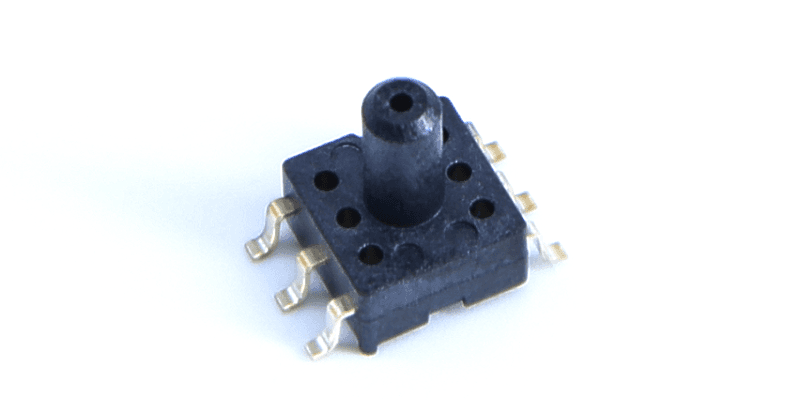
Window cleaners need to operate in high-altitude environments to achieve safe and stable adsorption and efficient cleaning through precise pressure control. Therefore, the pressure sensor becomes one of its key components. In particular, the application of sensores de presión adiabática, sensores digitales and I2C communication interfaces provides a reliable guarantee for the performance optimization of window cleaners. The practical application and realization of these technologies in window cleaners will be analyzed in detail below.
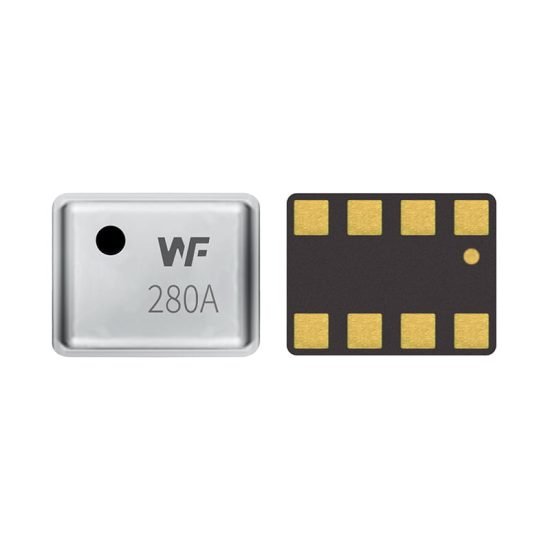
¡Empecemos a entender!
Catalogar
El papel clave de los sensores de presión en los limpiadores de ventanas
Monitoreo de presión del sistema de adsorción
Since window cleaners need to rely on adsorption to fix on the glass surface, sensores de presión adiabática can monitor the working status of the adsorption system in real time. By accurately measuring the adsorption pressure, it ensures that the device maintains a stable adsorption force in different air pressure environments to avoid the risk of slipping.
Regulación de interferencia del entorno externo
wind force changes have a direct impact on the adsorption effect of the window cleaner. The sensor de presión digital can accurately capture the pressure changes and transmit the data to the control system in real time through the I2C interface, so as to timely adjust the adsorption strategy and ensure the normal operation of the equipment.
Limpieza del control de la presión de la cabeza del cepillo
In order to avoid scratches or incomplete cleaning of the glass surface by the cleaning brush head, the sensor de presión is used to detect the contact pressure of the brush head. The digital sensor can adjust the cleaning force in real time through precise data feedback to achieve uniform and non-destructive cleaning effect.
Mecanismo de alarma de seguridad cuando
the pressure sensor detects that the adsorption pressure is below the safety threshold, the system immediately triggers an alarm and takes emergency stopping measures. With the high-speed transmission of the I2C interface, the system is able to respond and execute the safety strategy in a very short time.
Análisis de tecnologías centrales y tipos de sensores
Aplicación de sensores de presión absolutos
- Technical features: Absolute pressure sensors can measure absolute pressure relative to vacuum and are not affected by changes in ambient air pressure.
- Application scenarios: Adsorption state monitoring and adsorption force evaluation for high-altitude operations.
Ventajas de los sensores de presión digital
Ventajas de los sensores de presión digital
- Technical features: High sensitivity and low drift characteristics, direct output of digital signals, and reduced interference during analog signal transmission.
- Application advantages: More stable data transmission, especially suitable for window cleaning machine systems that require long-term precision monitoring.
Características de transmisión eficientes de la interfaz I2C
- Technical features: The I2C bus supports multi-device connection, fast data transmission speed and low power consumption.
- Application advantages: In window cleaning machines, the I2C interface can significantly reduce the complexity of wiring, while improving the real-time and reliability of data transmission.

Diseño del sistema y aspectos destacados de integración
Diseño de sensor redundante
In critical adsorption systems, a dual adiabatic pressure sensor scheme is used for data cross-validation to ensure reliable monitoring of the adsorption state.
Optimización del algoritmo de procesamiento y filtrado de la señal
Pressure data transmitted by the I2C bus may be affected by external noise. By introducing digital filtering algorithms, such as low-pass filtering and Kalman filtering, the stability of measurement data can be effectively improved.
Función de auto calibración y compensación
The digital sensor has a built-in auto-calibration function that maintains data accuracy during temperature changes or long periods of operation.
Diseño de protección
Window cleaners need to operate in outdoor environments, so the pressure sensor needs to have a high level of waterproof and dustproof performance (e.g., IP67) to ensure its long-term stable operation in harsh environments.
Casos de aplicación práctica y análisis de efectos
Optimización de equipos de limpieza de ventanas para edificios de gran altura
Una marca de máquina de limpieza de ventanas realiza un monitoreo preciso y un ajuste inteligente de la fuerza de adsorción mediante la integración de un sensor de presión absoluta and a digital I2C sensor. In a strong wind environment, the equipment can automatically optimize the adsorption force to avoid adsorption failure accidents, and the overall operating efficiency has increased by 25%.
La mejora de la calidad de la limpieza
utilizes the digital pressure sensor to detect the contact pressure of the brush head, and the system is able to dynamically adjust the cleaning path and strength, making the cleaning effect more uniform. Actual tests have shown that the cleaning efficiency of the equipment has been increased by 15% compared to the traditional method.
Desafíos y soluciones
Interferencia ambiental y estabilidad de la señal
- Challenges: External wind, vibration and other factors may cause fluctuations in pressure data.
- Solution: Use digital I2C sensors and filtering algorithms to effectively improve signal transmission stability.
Alto costo y complejidad del sistema
- Challenge: Integration of digital pressure sensors and I2C interfaces can increase system cost.
- Solution: Optimize system design over time by using lower-cost analog pressure sensors in entry-level devices.
Efectos de deriva y temperatura a largo plazo
- Challenge: Sensors can drift over long periods of time, affecting measurement accuracy.
- Solution: Use digital sensors with automatic compensation and perform regular system calibration.
Conclusión
The application of pressure sensors in window cleaners significantly improves the safety and performance of the equipment. Through the introduction of adiabatic pressure sensors, digital sensors and I2C interface technology, the window cleaning machine can realize the adsorption force monitoring, cleaning pressure control and real-time fault alarm and other functions. Reasonable system design and sensor selection is the key to ensure the stable and efficient operation of the equipment.

-e1747998312687.jpg)