
Catalogar
En el contexto de una demanda de mercado en rápido crecimiento de sistemas de control electrónico en vehículos (como se ilustra), la tecnología de sensores automotrices continúa avanzando. Las tendencias generales para los futuros sensores automotrices incluyen:
Inteligencia: Sensores con capacidad de procesamiento y toma de decisiones a bordo.
Miniaturización: Factores de forma más pequeños para una integración más fácil y un menor costo.
Integración: Combinación de múltiples funciones de detección o electrónica en un solo paquete.
Multifuncionalidad: Un dispositivo que mide varios parámetros físicos.
Nuevos materiales & Procesos: Nuevas estructuras de sensores habilitadas por materiales y técnicas de fabricación avanzados.
Los sensores basados en MEMS se han convertido en los componentes centrales de la detección automotriz moderna.
Clasificación de sensores automotrices
Según el contexto y la función del sistema, los sensores automotrices se pueden agrupar en:
MEMS del sistema de control del tren motriz
MEMS del sistema electrónica del cuerpo
MEMS del sistema electrónica de seguridad
ADAS (Sistema avanzado de asistencia al conductor) MEMS
1. Sistema de control del tren motriz MEMS
Medidor de flujo de masa de aire - Control de admisión
Sensor de golpe - Gestión del motor
Sensor de algodón de paseo - Control de suspensión
Sensor de batería inteligente - Administración de baterías
Sensor de oxígeno - Monitoreo y control de emisiones de escape
Sensor de posición de pedal – funciones start-stop / auto-hold
Ángulo & Sensores de posición – control del motor / control de dirección
Sensores de presión – motor, transmisión, turbocompresor y control de inyección de combustible
2. Sistema electrónico del cuerpo MEMS
Sensor de luz ambiental - Control automático de faros
Sensor de velocidad de elevación de la ventana -Guente de pellizco para ventanas eléctricas
Sensor de lluvia - Limpiantadores automáticos del parabrisas
Sensores de presión - Sistema de bloqueo central
Sensor de calidad del aire - Engumeta de aire HVAC
Sensor de temperatura - HVAC
Sensor de humedad - HVAC
3. Sistema electrónico de seguridad MEMS
Sensor de alta presión – ESC (Control Electrónico de Estabilidad)
Sensor de ángulo de la rueda de dirección - ESC
Acelerómetro – airbags / ABS
Sensor de ocupación de asiento - Airbags
Sensor giroscópico (velocidad de guiñada) - Airbags
Sensor de velocidad de la rueda - ABS
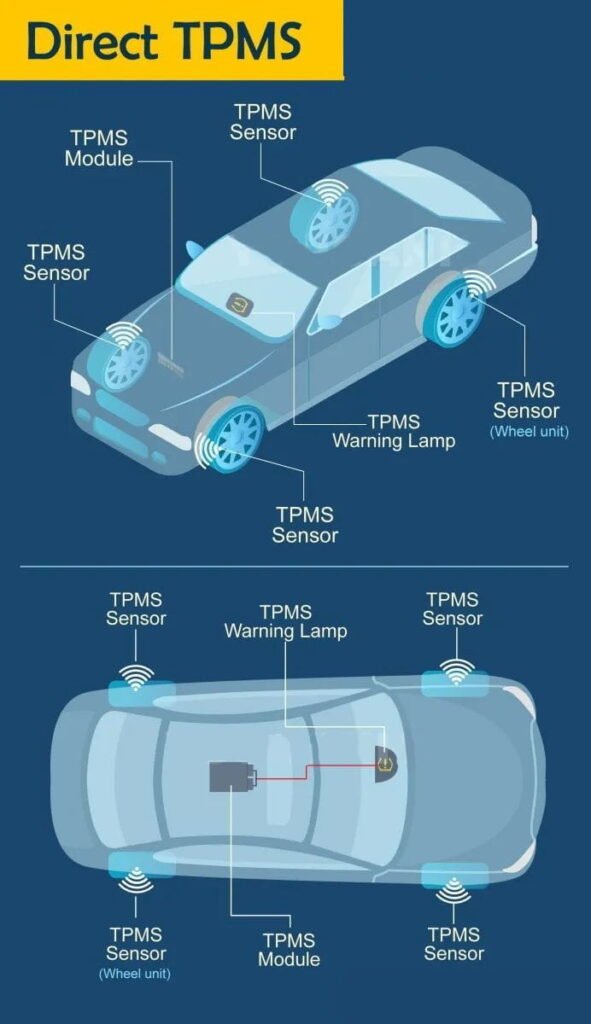
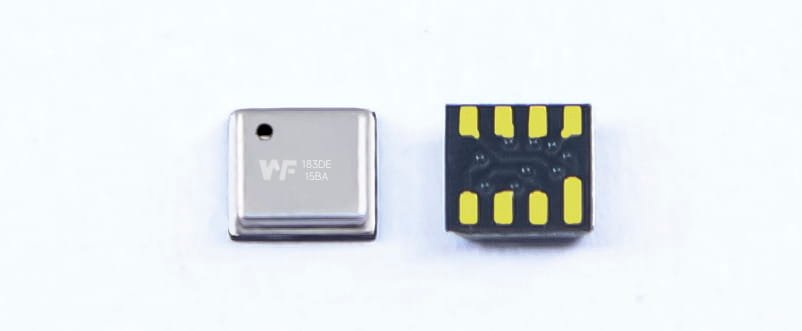
Sensor de presión – TPMS (Sistema de monitoreo de presión de neumáticos)
Sensor de temperatura - TPMS
4. MEMS ADAS
Sensor de imagen CMOS – mantenimiento de carril / vista envolvente de 360°
Radar de onda milímetro de largo alcance – control de crucero adaptativo/advertencia de colisión
Lidar – advertencia de colisión / conducción autónoma
Radar de onda milímetro -Asistencia de punto ciego
Sensor ultrasónico - Ayuda de estacionamiento
Sensor infrarrojo - Visión nocturna
Aplicaciones de MEMS automotrices
El mercado de la automoción es un campo de aplicación importante para los sensores. Los sensores automotrices MEMS sirven como fuentes de información crítica para los sistemas de control electrónico de vehículos, proporcionando mediciones precisas en tiempo real de temperatura, presión, posición, velocidad, aceleración, vibración y más. Un sedán familiar típico lleva ahora casi 100 sensores; Los vehículos de lujo pueden tener hasta 200.
Más allá de MEMS, el mercado de sensores automotrices incluye sensores activos clásicos como sensores de odómetro, sensores de presión de admisión/aceite, sensores de temperatura del refrigerante, medidores de flujo de aire, sensores TPMS, sensores químicos, sensores inerciales, sensores magnéticos, sensores ultrasónicos, sensores de imagen, radar y LiDAR.
Tipos de sensores clave y funciones
Sensor de odómetro (kilometraje)
Principio: Detección por efecto Hall o fotoeléctrica.
Función: Calcula la velocidad y la distancia del vehículo utilizando la velocidad de rotación de la rueda/eje (ω) y el radio conocido del neumático (r):
Distancia=r×ω×t.
Diseño: Estilo de transmisión por engranajes con dos cojinetes en el eje de transmisión, lo que reduce el torque y la fricción. El conector se asienta en la carcasa de la transmisión.
Sensor de presión de admisión
Función: Mide la presión absoluta en el colector de admisión, envía voltaje a la ECU para determinar la cantidad base de inyección de combustible.
Tipos comunes: Sensores piezoresistivos semiconductores.
Aplicaciones: Utilizado en vehículos como Audi 100 (motor V6), Santana 2000, Jeep Cherokee 2.5 L, Toyota Crown 3.0 L, etc.
Sensor de presión de aceite
Función: Supervisa la presión del aceite del motor y avisa al conductor cuando la presión del aceite cae por debajo de los niveles seguros.
Tipos: Sensores MEMS piezoresistivos y capacitivos de silicio, elemento sensor integrado, acondicionamiento de señales y electrónica de interfaz.
Sensor de temperatura de refrigerante
Elemento interno: Termistor semiconductor: la resistencia disminuye a medida que aumenta la temperatura.
Ubicación: Instalado en el bloque del motor o en la camisa de agua de la culata.
Role: Proporciona a la ECU datos sobre la temperatura del refrigerante para corregir la inyección de combustible y el tiempo de encendido.
Sensor de flujo de aire (MAF)
Función: Convierte la masa de aire de admisión o el flujo volumétrico en una señal eléctrica para el cálculo de inyección de combustible de la ECU.
Tipos:
Tipo paleta (por ejemplo, Toyota Previa),
Eliminación de vórtices (por ejemplo, Lexus LS400),
Cable caliente (por ejemplo, Nissan Sunny VG30E),
Película caliente (modelos volumétricos y de flujo másico).
Sensor de velocidad de la rueda de ABS
Ubicación: Montado en la pinza de freno cerca del rotor.
Principio: La bobina inductiva detecta un anillo dentado en el cubo de la rueda; genera una señal de CA casi sinusoidal proporcional a la velocidad de la rueda, enviada a la ECU del ABS.
Sensor de colisión (impacto) del airbag
Tipos:
Sensores de activación: Detecta una desaceleración rápida durante una colisión e inicia el despliegue de la bolsa de aire.
Sensores de seguridad: Evite una implementación falsa en eventos sin colisión.
Tecnologías: Acelerómetros de tipo resonante y no resonante (piezoeléctricos o magnetoestrictivos).
Sensor de oxígeno de gas de escape
Objetivo: Mide la concentración de O₂ en el escape para controlar la relación aire-combustible.
Variantes:
Sensor cerámico de circonio (de –40 °C a 900 °C, precisión de ±1 %),
Sensor de celda de concentración de circonio (300 °C a 800 °C),
Sensor de oxígeno con electrolito sólido (de 0 °C a 400 °C, precisión de ±0,5 %),
Sensor semiconductor de TiO₂ (robusto contra la contaminación por plomo).
Posición & Sensores de velocidad
Funciones: Monitoree los ángulos del cigüeñal/árbol de levas, la posición del acelerador, la velocidad del vehículo, la aceleración/desaceleración.
Tipos: Sensores tipo alternador, magnetorresistivos, de efecto Hall, de interruptor de láminas, ópticos y de transistores magnéticos.
Sensor de posposición del acelerador: Detecta el ángulo de la placa del acelerador mediante un enlace mecánico: interruptor, resistencia variable o diseños integrados.
Sensor de posición del cigüeñal: Proporciona señales de punto muerto superior, ángulo del cigüeñal y velocidad. Los tipos incluyen variantes inductivas, de efecto Hall y ópticas.
Sensor de golpe: Montado en el bloque del motor para detectar detonaciones mediante vibración: magnetoestrictiva o piezoeléctrica.
Velocidad del vehículo & Sensores de RPM del motor (EV)
Sensor de rpm motor: Medición sin contacto inductiva, óptica o de efecto Hall para mayor seguridad y precisión.
Sensor de velocidad del vehículo: Electromagnético, óptico, de reluctancia variable o efecto Hall para medir la velocidad de conducción.
Descripción general del mercado
El segmento de sensores para automóviles se ha convertido en un área de aplicación importante para los dispositivos MEMS. Los sensores de presión, acelerómetros, giroscopios y sensores de flujo juntos representan el 99% de las aplicaciones MEMS automotrices, con tasas de crecimiento en cinco años del 3 al 12%. Los sensores de presión MEMS son los más utilizados y cuestan entre 5 y 7 dólares cada uno. En 2018, los ingresos por sensores de presión MEMS para automóviles alcanzaron los 1.800 millones de dólares, lo que representa el 74 % de los ingresos totales de la industria de sensores MEMS. Los impulsores clave del crecimiento incluyen TPMS, sensores de freno ESC, sistemas de bolsas de aire laterales, controles de emisiones más estrictos (presión EGR) y monitoreo de la presión ambiental.
Las cinco mejores aplicaciones de MEMS automotriz por ingresos
Control electrónico de estabilidad (ESC)
Sistemas de airbag
Presión absoluta del colector (MAP)
Monitoreo de presión de neumáticos (TPMS)
Detección
Aplicaciones de MEMS notables
Los MEMS de alto volumen, alta precisión y bajo costo son ideales para ECU de automóviles.
Los acelerómetros MEMS están reemplazando a los acelerómetros electromecánicos heredados en los sistemas de bolsas de aire y ABS.
Los giroscopios MEMS en vehículos de alta gama admiten suspensión activa y protección contra vuelcos.
Los sensores de presión MEMS integrados en TPMS transmiten la presión, la temperatura y la velocidad de las ruedas de forma inalámbrica.
Los sensores MAP multipunto mejoran la economía de combustible y las emisiones en los sistemas EFI.
Los sensores de presión MEMS de silicio están reemplazando a los sensores capacitivos cerámicos en los sistemas EGR.
China, como mayor productor y consumidor de automóviles del mundo, se ha convertido en el mayor mercado de aplicaciones de sensores para automóviles. Según IMARC Group, el mercado mundial de sensores para automóviles alcanzó los 29.200 millones de dólares en 2024 y se prevé que crezca hasta los 72.100 millones de dólares en 2033 (CAGR del 10,04% entre 2025 y 2033). La tecnología MEMS está desplazando constantemente a los sensores tradicionales como la corriente principal para la detección automotriz.
China, como mayor productor y consumidor de automóviles del mundo, se ha convertido en el mayor mercado de aplicaciones de sensores para automóviles. Según IMARC Group, el mercado mundial de sensores para automóviles alcanzó los 29.200 millones de dólares en 2024 y se prevé que crezca hasta los 72.100 millones de dólares en 2033 (CAGR del 10,04% entre 2025 y 2033). La tecnología MEMS está desplazando constantemente a los sensores tradicionales como la corriente principal para la detección automotriz.
Conclusión
En resumen, la rápida expansión de los sistemas de control electrónico automotriz ha impulsado el avance continuo en las tecnologías de sensores. Future automotive sensors will be characterized by increased intelligence, miniaturization, integration, multifunctionality, and the adoption of novel materials and processes. Los sensores basados en MEMS son ahora la columna vertebral de la detección de vehículos y abarcan el control del tren motriz, la electrónica de la carrocería, los sistemas de seguridad y ADAS. As vehicles become more connected, autonomous, and electrified, the demand for high-performance, reliable, and cost-effective MEMS sensors will only grow. By 2030, global and Chinese automotive sensor markets are poised to see substantial growth, solidifying MEMS technology as the predominant choice for next-generation vehicle sensing applications.
La introducción anterior sólo toca la superficie de las aplicaciones de la tecnología de sensores de presión. Continuaremos explorando los diferentes tipos de elementos sensores utilizados en diversos productos, cómo funcionan y sus ventajas y desventajas. Si desea obtener más detalles sobre lo que se analiza aquí, puede consultar el contenido relacionado más adelante en esta guía. Si tiene poco tiempo, también puede hacer clic aquí para descargar los detalles de estas guías. Producto del sensor de presión de aire datos PDF.
Para obtener más información sobre otras tecnologías de sensores, por favor Visite nuestra página de sensores.