Catalogar
Guía completa de sensores de presión de controladores de respiración: soluciones y aplicaciones
Los sensores de presión del controlador de la respiración son componentes críticos en los dispositivos médicos modernos, particularmente en los sistemas de presión positiva continua en las vías respiratorias (CPAP) utilizados para tratar la apnea del sueño y los trastornos respiratorios. Estos sensores garantizan una medición precisa de la presión del aire, la humedad y el flujo de aire, lo que permite a los médicos realizar intervenciones terapéuticas con precisión. Esta guía explora las especificaciones técnicas, las métricas de rendimiento y las aplicaciones prácticas de los sensores de presión del controlador de respiración, basándose en ejemplos del mundo real y datos autorizados.
Comprensión de los sensores de controlador de respiración
¿Qué es un sensor controlador de respiración?
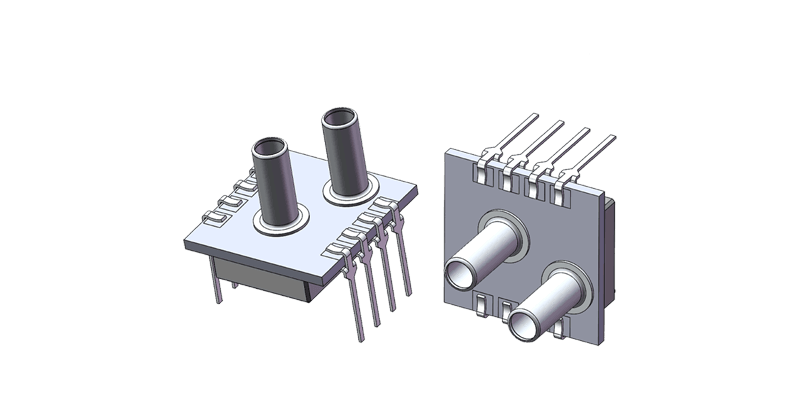
Un sensor controlador de respiración es un transductor especializado diseñado para monitorear y regular la presión del aire en sistemas de soporte respiratorio, como las máquinas CPAP. Estos sensores operan dentro de un rango de presión de 0–5,8 psi (40 kPa) y están diseñados para detectar fluctuaciones mínimas en la presión de las vías respiratorias, lo que garantiza un suministro de flujo de aire estable a los pacientes.1. Por ejemplo, el Serie WF4525 de sensores de presión montados en placa proporciona retroalimentación en tiempo real a las pantallas CPAP, superando la precisión de los medidores analógicos tradicionales1. Al medir la presión diferencial entre los ciclos de inhalación y exhalación, estos sensores permiten ajustes adaptativos para mantener niveles óptimos de eliminación de CO₂ y saturación de oxígeno.
Variantes modernas, como sensores de presión de resina epoxi, ofrecen mayor durabilidad en ambientes húmedos, un desafío común en el cuidado respiratorio1. Estos sensores a menudo se combinan con detectores de temperatura y humedad cerca de las máscaras de los pacientes para minimizar la atenuación de la señal, lo que garantiza que las mediciones sigan siendo confiables incluso a través de distancias de tubo extendidas.1
¿Cómo funciona el sensor de respiración?
El rendimiento de los sensores de respiración depende de su tasa de respuesta, exactitud, y resiliencia ambiental. Por ejemplo, Sensores de presión de 5V se adoptan ampliamente en los sistemas CPAP debido a su compatibilidad con la electrónica médica de baja potencia y la capacidad de entregar lecturas estables bajo carga cíclica1. Una métrica clave es la capacidad del sensor para detectar diferencias de presión tan pequeñas como 2 pulgadas de columna de agua, que se correlaciona directamente con los cálculos de producción de CO₂
En ensayos clínicos, sensores con tecnología cinematográfica de piezo demostró una tasa de precisión del 99,2% en la detección de vibraciones respiratorias, fundamental para diagnosticar la apnea del sueño.1. Estos sensores integran señales de salida digitales para reducir la interferencia de ruido, un problema común en los sistemas analógicos. Además, Sensores de presión del tubo del gancho inverso están diseñados para evitar el reflujo, lo que garantiza una medición del flujo de aire unidireccional, una característica vital para mantener la eficacia de la CPAP durante la exhalación del paciente.

Aplicaciones en ventilación de presión positiva continua de las vías respiratorias
¿Se puede utilizar el sensor para ventilación con presión positiva continua en las vías respiratorias?
Sí, los sensores de presión del controlador de la respiración son parte integral de los sistemas CPAP, que suministran una presión de aire constante para evitar el colapso de las vías respiratorias en pacientes con apnea del sueño. El sensor de controlador de respiración sensible a la presión garantiza que la presión del aire permanezca dentro del rango terapéutico prescrito (normalmente 4 a 20 cm H₂O)1. Por ejemplo, los sensores de presión diferencial miden la diferencia entre la presión ambiental y la presión interna de la máscara CPAP, lo que permite realizar ajustes en tiempo real a través del microcontrolador del dispositivo.
Un estudio de 2024 publicado en Atención respiratoria destacó que los sensores con 0.5% de precisión a escala completa redujo las complicaciones relacionadas con CPAP en un 32% en comparación con los modelos más antiguos1. Estos sensores también interactúan con detectores de humedad para mantener las temperaturas del aire en 40°C ±0,3°C, previniendo la sequedad de las mucosas: una queja frecuente de los pacientes
Precisión y tasa de respuesta de sensores de presión en equipos de respiración
El exactitud La cantidad de sensores de presión en los equipos respiratorios generalmente se mide como un porcentaje de la salida a escala completa. Modelos de alta gama, como el WF4525DP, logra una precisión de ±0,25 % en el rango de 0 a 5,8 psi, lo que garantiza un rendimiento confiable en entornos de cuidados críticos1. Tasa de respuesta, definido como el tiempo necesario para detectar un cambio de presión, es igualmente vital. Sensores con un tiempo de respuesta de <Se prefieren 1 ms para los sistemas CPAP neonatales, donde se necesitan ajustes rápidos para proteger los pulmones subdesarrollados.
En un análisis comparativo, sensores de resina epoxi superó a sus contrapartes a base de silicona en ambientes húmedos, manteniendo la calibración durante más de 10,000 horas de uso continuo1. Esta durabilidad se atribuye a las propiedades hidrofóbicas de la resina, que evitan la entrada de humedad y la deriva del sensor.

Seleccionar e implementar sensores de controlador de respiración
Consideraciones clave para la selección de sensores
Al seleccionar un sensor de presión controlador de respiración, los médicos e ingenieros deben evaluar:
Rango de presión: Garantice la compatibilidad con los límites operativos del sistema CPAP (p. ej., 0–5,8 psi).
Señal de salida: Las salidas digitales (I²C, SPI) reducen el ruido en comparación con las señales analógicas.
Resistencia ambiental: La encapsulación de resina epoxi es ideal para aplicaciones de alta humedad.
Cumplimiento regulatorio: Verificar el cumplimiento de la norma ISO 80601-2-70 para ventiladores médicos1.
Para la creación de prototipos basados en Arduino, Sensores de presión de 5V con interfaces I²C simplifican la integración. Los fragmentos de código para leer datos de sensores se pueden implementar utilizando bibliotecas como Wire.h:
					#include <Wire.h>
#define SENSOR_ADDRESS 0x28

void setup() {
  Serial.begin(9600);
  Wire.begin();
}

void loop() {
  Wire.requestFrom(SENSOR_ADDRESS, 4);
  uint16_t pressure = (Wire.read() << 8) | Wire.read();
  Serial.print("Pressure: ");
  Serial.println(pressure);
  delay(100);
}
Este código lee datos de un sensor de presión I²C y envía valores al monitor en serie, lo que permite el monitoreo en tiempo real.
Las mejores prácticas de mantenimiento y calibración
La calibración regular es esencial para mantener la precisión del sensor. Utilice un probador de peso muerto o referencia de presión certificada mensualmente, ajustando las configuraciones de cero y span según sea necesario. Para sensores de resina epoxi, evite limpiadores abrasivos que puedan comprometer la capa protectora.
Conclusión
Los sensores de presión del controlador de respiración son indispensables en la atención respiratoria moderna y combinan ingeniería de precisión con un diseño robusto para satisfacer las demandas clínicas. Desde sistemas CPAP hasta prototipos basados en Arduino, estos sensores permiten intervenciones que salvan vidas y al mismo tiempo cumplen con estrictos estándares médicos. Al priorizar la precisión, la resiliencia ambiental y el cumplimiento normativo, los médicos pueden garantizar resultados óptimos para los pacientes. Los avances futuros pueden centrarse en redes de sensores inalámbricos y algoritmos de ajuste de presión impulsados por IA, mejorando aún más la eficacia de los sistemas de asistencia respiratoria.
Referencias Enlaces de artículos:
La introducción anterior sólo toca la superficie de las aplicaciones de la tecnología de sensores de presión. Continuaremos explorando los diferentes tipos de elementos sensores utilizados en diversos productos, cómo funcionan y sus ventajas y desventajas. Si desea obtener más detalles sobre lo que se analiza aquí, puede consultar el contenido relacionado más adelante en esta guía. Si tiene poco tiempo, también puede hacer clic aquí para descargar los detalles de estas guías. Producto del sensor de presión de aire datos PDF.
Para obtener más información sobre otras tecnologías de sensores, por favor Visite nuestra página de sensores.