
Die Druckmessung ist für unzählige industrielle Anwendungen von grundlegender Bedeutung, von Herstellungsprozessen bis hin zur wissenschaftlichen Forschung. Dieser Leitfaden entmystifiziert die Beziehung zwischen Absolutdruck und Vakuumdruck und bietet praktische Einblicke für die Auswahl und den effektiven Einsatz von Druckmessgeräten. Wir werden untersuchen, was bei der Messung von Vakuumbedingungen passiert und wie Absolutdrucksensoren in diesen Umgebungen funktionieren.
Katalog
Einführung in die Druckmessung
Die Druckmessung ist in zahlreichen Branchen und Anwendungen unverzichtbar. Von der Gewährleistung der Sicherheit in Druckbehältern bis zur Optimierung der Prozesseffizienz kann eine ordnungsgemäße Drucküberwachung den Unterschied zwischen reibungslosem Betrieb und katastrophalen Ausfällen ausmachen. Um Druckmessungen jedoch effektiv nutzen zu können, müssen Sie zunächst die verschiedenen Druckarten und ihre Beziehung zueinander verstehen
In der Druckmesstechnik kommt es häufig zu Verwechslungen zwischen Absolut-, Relativ- und Vakuumdruck. Diese Verwirrung führt häufig zu einer falschen Auswahl des Messgeräts, einer Fehlinterpretation der Messwerte und letztendlich zu Prozessineffizienzen oder Sicherheitsbedenken.
Druck wird grundsätzlich als Kraft pro Flächeneinheit definiert. Allerdings erzeugt die Art und Weise, wie wir diese Kraft messen und referenzieren, unterschiedliche Druckarten. Der von uns gewählte Bezugspunkt ist von entscheidender Bedeutung – Es verändert nicht nur die Zahlen, die wir sehen, sondern auch die Art und Weise, wie wir diese Messungen interpretieren und verwenden
Bevor man tiefer in den Absolutdruck in Vakuumsystemen eintaucht, ist es wichtig, eine solide Grundlage hinsichtlich der grundlegenden Druckarten und ihrer Bezugspunkte zu schaffen. Dieses Verständnis wird als Grundlage für komplexere Diskussionen in diesem Artikel dienen.
Was ist absoluter Druck?
Der absolute Druck bezieht sich auf den druck gemessenen Druck zum absoluten Nulldruck – ein perfektes Vakuum, in dem keine Moleküle vorhanden sind, die Druck ausüben könnten. Dieses Konzept ist für das Verständnis aller Druckmessungen von grundlegender Bedeutung, da es einen unveränderlichen Bezugspunkt bietet
Auf Meereshöhe beträgt der Standardatmosphärendruck ungefähr 14,7 psi (Pfund pro Quadratzoll) oder 101,325 kPa (Kilopascal) in absoluten Zahlen. Dies bedeutet, dass dies auch dann der Fall ist, wenn ein Standard-Manometer anzeigt “null,” Wir erleben tatsächlich einen Druck von etwa 14,7 psi aus der Atmosphäre um uns herum
Das Hauptmerkmal des absoluten Drucks ist, dass er niemals negativ sein kann. Da es sich um ein perfektes Vakuum handelt (das Null ist), müssen alle Absolutdruckwerte positiv sein. Selbst im tiefsten Vakuum, das wir mit moderner Technologie erzeugen können, sind noch einige Moleküle vorhanden, die einen geringen Druck ausüben.
Der absolute Druck (Pabs) kann mathematisch ausgedrückt werden als:
Pabs = Pgauge + Patmosphärisch
Wo:
Pgauge ist der Druckmessung auf einem Standardmesser
Patmosphärisch ist der lokale Atmosphärendruck (ungefähr 14,7 psi auf Meereshöhe)
Es ist zu beachten, dass der Luftdruck je nach Höhe und Wetterbedingungen variiert. In höheren Lagen nimmt der Luftdruck deutlich ab. Wettersysteme können auch dazu führen, dass der Luftdruck schwankt, was sich bei Nichtberücksichtigung auf die Absolutdruckwerte auswirken kann
Vakuumdruck verstehen
Vakuumdruck stellt einen Druck dar, der niedriger ist als der umgebende Atmosphärendruck. In der Praxis handelt es sich um einen negativen Manometerdruck, der ein Ansaugen oder Ähnliches anzeigt “Ziehen” Wirkung, den wir mit Vakuum verbinden
Bei der Erörterung des Vakuumdrucks ist es wichtig zu erkennen, dass wir immer noch den atmosphärischen Druck als Referenzpunkt verwenden. Ein perfektes Vakuum würde auf einer Manometerdruckskala auf Meereshöhe (oder wie auch immer der örtliche Atmosphärendruck gerade herrscht) einen Wert von -14,7 psi anzeigen.
Der Vakuumdruck wird normalerweise in anderen Einheiten gemessen als der Überdruck, was zu einer weiteren möglichen Verwirrung führt. Zu den gängigen Vakuumeinheiten gehören:
Zoll Quecksilbersäule (inHg)
Torr (1 Torr = 1 mmHg)
Mikrometer (1 Mikrometer = 0,001 Torr)
Prozentsatz des Vakuums
Der Zusammenhang zwischen Vakuumdruck und absolutem Druck ist klar, wird aber oft missverstanden. Ein vollständiges Vakuum (wenn auch praktisch unerreichbar) würde sich wie folgt registrieren:
0 Psia (absoluter Druck)
-14,7 psig (Überdruck auf Meereshöhe)
30 inHg Vakuum (Zoll Quecksilbersäule)
In industriellen Anwendungen werden Vakuumdrücke üblicherweise in Prozessen wie Destillation, Filtration, Gefriertrocknung und Verpackung eingesetzt. Jede Anwendung hat spezifische Vakuumanforderungen, weshalb eine ordnungsgemäße Messung von entscheidender Bedeutung ist.
Beziehung zwischen absolutem und Vakuumdruck
Der Zusammenhang zwischen Absolutdruck und Vakuumdruck ist für das Verständnis von Druckmesssystemen von grundlegender Bedeutung. Wie bereits erwähnt, handelt es sich im Wesentlichen um unterschiedliche Arten, dieselbe physische Realität zu beschreiben, nur mit unterschiedlichen Bezugspunkten
Lassen Sie uns diesen Zusammenhang anhand einiger Beispiele verdeutlichen:
Ein perfektes Vakuum (theoretisch):
Absoluter Druck: 0 psia
Vakuumdruck: 30 inHg (auf Meereshöhe)
Atmosphärendruck auf Meereshöhe:
Absoluter Druck: 14,7 psia
Vakuumdruck: 0 inHg
50 % Vakuum auf Meereshöhe:
Absoluter Druck: ca. 7,35 psia
Vacuum pressure: 15 inHg
Die mathematische Beziehung kann ausgedrückt werden als:
Pabsolute = patmosphärisch – Pvacuum
Wo pvacuum in denselben Einheiten wie patmosphärisch ausgedrückt wird
Es ist wichtig zu beachten “vacuum pressure,” Dieser Begriff kann irreführend sein, da Vakuum eigentlich die Abwesenheit von Druck bedeutet. Genauer gesagt ist das, was wir Vakuumdruck nennen, die Druckdifferenz zwischen dem System und der umgebenden Atmosphäre.
Bei der Validierung von Containment-Systemen in pharmazeutischen Reinräumen hilft das Verständnis, dass es sich bei dem, was wir messen, tatsächlich um eine Druckdifferenz und nicht um ein absolutes Vakuum handelt, den Technikern dabei, Überwachungsgeräte richtig einzurichten und die Ergebnisse richtig zu interpretieren.
Wie funktioniert ein Absolutdrucksensor?
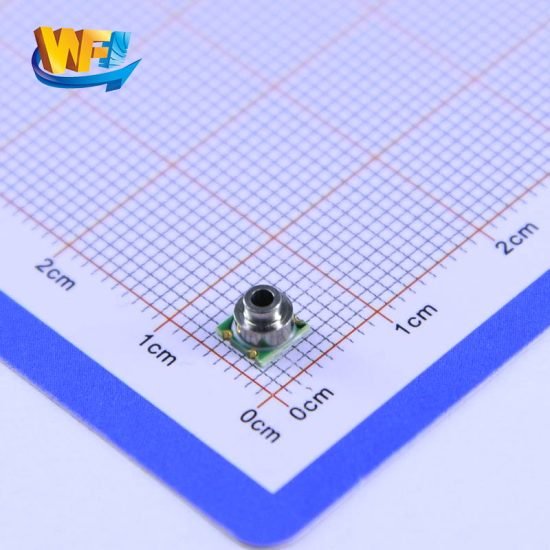
Absolutdrucksensoren sind spezielle Instrumente zur Messung des Drucks relativ zum perfekten Vakuum. Im Gegensatz zu Relativdrucksensoren, die den Atmosphärendruck als Referenz verwenden, verwenden Absolutdrucksensoren eine versiegelte Referenzkammer, die entweder ein Hochvakuum oder einen bekannten Referenzdruck enthält
Das grundlegende Funktionsprinzip eines Absolutdrucksensors umfasst:
Ein Sensorelement (Membran, Faltenbalg oder Bourdon-Rohr), das sich unter Druck verformt
Eine versiegelte Referenzkammer, die auf nahezu perfekte Vakuum evakuiert wurde
Ein Mechanismus, um die mechanische Verformung in ein elektrisches Signal umzuwandeln
Elektronische Komponenten für die Signalverarbeitung und die Ausgangserzeugung
Moderne Absolutdrucksensoren nutzen typischerweise eine von mehreren Technologien:
Piezoresistive Sensoren: Diese enthalten eine Siliziummembran mit eingebetteten Widerständen, die ihren Widerstand ändern, wenn sich die Membran unter Druck verformt. Aufgrund ihrer Robustheit und Genauigkeit sind sie in industriellen Anwendungen weit verbreitet.
Kapazitive Sensoren: Diese messen den Druck, indem sie Kapazitätsänderungen zwischen einer flexiblen Membran und einer festen Platte erkennen, wenn sich der Druck ändert. Sie eignen sich hervorragend für Niederdruckanwendungen, die eine hohe Empfindlichkeit erfordern.
Resonanzsensoren: Diese messen den Druck, indem sie Änderungen in der Resonanzfrequenz eines vibrierenden Elements erkennen, wenn sich der Druck ändert. Sie bieten hervorragende Stabilität und Genauigkeit, sind jedoch teurer.
Optische Sensoren: Diese nutzen die Lichtinteraktion mit einem druckempfindlichen Element, um den Druck zu bestimmen. Sie sind ideal für Umgebungen mit elektromagnetischen Störungen.
For vacuum measurement specifically, specialized vacuum gauges like thermocouple gauges, ionization gauges, or Pirani gauges may be used for very low pressures where standard absolute pressure sensors might lack resolution.
When monitoring vacuum chambers for vapor deposition in semiconductor manufacturing, ionization gauges provide the precision needed at extremely low pressures (below 10^-3 Torr), while capacitive sensors work better for the higher-pressure stages of the process.
Anwendungen der absoluten Druckmessung
Absolute pressure measurement plays a crucial role across numerous industries and applications. Understanding when and why absolute pressure measurement is necessary can help you make better decisions in your specific context
Hier sind einige Schlüsselanwendungen, bei denen die Absolutdruckmessung besonders wichtig ist:
Wettervorhersage und Höhenmesser
Der als absoluter Druck gemessene Luftdruck ist für die Wettervorhersage von grundlegender Bedeutung. Meteorologen verfolgen diese Druckänderungen, um Wettermuster und Stürme vorherzusagen. Ebenso verwenden Höhenmesser in Flugzeugen Absolutdruckmessungen, um die Höhe auf der Grundlage des Verhältnisses zwischen Druck und Höhe zu bestimmen.
Vakuumverarbeitung und Verpackung
Branchen wie die Lebensmittelverpackung, die pharmazeutische Produktion und die Halbleiterfertigung sind stark auf Vakuumprozesse angewiesen. Absolutdrucksensoren sorgen für die Aufrechterhaltung präziser Vakuumniveaus für Produktqualität und Prozesseffizienz1.
Beispielsweise ist bei Lebensmittelverpackungen die Aufrechterhaltung des richtigen Vakuumniveaus für die Verlängerung der Haltbarkeit von entscheidender Bedeutung. Ein zu geringes Vakuum kann zum Verderben führen, während ein zu hohes Vakuum empfindliche Produkte beschädigen kann.
HLK -Systeme und Kühlung
Heizungs-, Lüftungs-, Klima- und Kühlsysteme nutzen Absolutdruckmessungen, um den Kältemitteldruck zu überwachen, den Kompressorbetrieb zu optimieren und die Systemeffizienz sicherzustellen. Aufgrund der Beziehung zwischen Druck und Temperatur in Kältemitteln ist die Überwachung des absoluten Drucks für diese Systeme von entscheidender Bedeutung.
Laborforschung
Wissenschaftliche Forschung erfordert häufig eine präzise Steuerung und Messung der Druckbedingungen. Von der chemischen Gasphasenabscheidung bis zur Vakuumdestillation liefern Absolutdruckmessungen Forschern die Daten, die sie für reproduzierbare Experimente und genaue Ergebnisse benötigen.
Luft- und Raumfahrt und Luftfahrt
Über die Höhenmessung hinaus erfordern Luft- und Raumfahrtanwendungen Absolutdruckmessungen zur Überwachung der Triebwerksleistung, von Kabinendrucksystemen und zum Testen von Komponenten unter verschiedenen Druckbedingungen. Die extremen Betriebsumgebungen in der Luft- und Raumfahrt machen eine zuverlässige Absolutdruckmessung für Sicherheit und Leistung unerlässlich.
In kritischen medizinischen Atemgeräten gewährleisten Absolutdrucksensoren eine konsistente Therapieabgabe, unabhängig davon, ob das Gerät auf Meereshöhe oder an Orten in großer Höhe verwendet wird, da die Messungen unabhängig von den atmosphärischen Umgebungsbedingungen konsistent bleiben.
Wählen Sie die richtige Druckanzeige für Ihre Bedürfnisse
Die Auswahl des geeigneten Manometers oder Sensors ist entscheidend für genaue Messungen und eine optimale Prozesssteuerung. Die Wahl zwischen Absolut-, Relativ- oder Verbunddruckmessgeräten hängt von Ihren spezifischen Anwendungsanforderungen ab.
Wann verwendet Absolutdruckmessgeräte
Erwägen Sie den Einsatz von Absolutdruckmessgeräten, wenn:
Sie benötigen Messungen unabhängig von atmosphärischen Druckschwankungen
Ihre Anwendung umfasst Vakuumprozesse, bei denen es wichtig ist
Sie arbeiten mit versiegelten Systemen, bei denen eine atmosphärische Referenz nicht verfügbar ist
Ihre Messungen müssen über verschiedene Höhen oder Wetterbedingungen hinweg vergleichbar sein.
Wann man Vakuummessgeräte verwendet
Vakuummeter sind am besten geeignet, wenn:
Sie befassen sich in erster Linie mit dem Ausmaß des Vakuums in Bezug auf die Atmosphäre
Ihr Prozess funktioniert ganz unter dem atmosphärischen Druck
Sie müssen das Vakuumniveau in vertrauten Einheiten wie Zentimeter Quecksilber visualisieren
Sie beheben Vakuumsystemen oder Erkennung von Lecks
Zu den üblichen Anwendungen gehören HVAC-Service, Vakuumpumpsysteme, Vakuumverpackung und Filtrationsprozesse.
Überlegungen zur praktischen Auswahl
Berücksichtigen Sie bei der Auswahl von Druckmessgeräten neben der Art der Druckmessung auch die folgenden Faktoren:
Genauigkeitsanforderungen: Wie genau müssen Ihre Messungen sein?
Druckbereich: Welche Mindest- und Höchstdrücke müssen Sie messen?
Umgebungsbedingungen: Temperatur, Feuchtigkeit, Vibration und korrosive Elemente
Ausgangsanforderungen: Benötigen Sie eine lokale Anzeige, einen elektrischen Ausgang oder beides?
Sicherheitsanforderungen: Überdruckschutz, eigensichere Ausführung für explosionsgefährdete Bereiche
Budgetbeschränkungen: Bringen Sie Leistungsanforderungen mit Kostenerwägungen in Einklang.
Bei der Optimierung des Fermentationsprozesses in Brauereien kann der Einsatz von Absolutdrucksensoren anstelle von Standard-Überdrucksensoren Schwankungen eliminieren, die durch Änderungen des Luftdrucks verursacht werden, was zu einer verbesserten Chargenkonsistenz führt.
Abschluss
Das Verständnis der Beziehung zwischen Absolutdruck und Vakuumdruck ist für die ordnungsgemäße Messung, Interpretation und Anwendung in industriellen Prozessen von entscheidender Bedeutung. Um die wichtigsten Punkte zusammenzufassen:
Der absolute Druck wird relativ zum perfekten Vakuum (Nulldruck) gemessen und kann niemals negativ sein
Der Vakuumdruck wird relativ zum atmosphärischen Druck gemessen und stellt den Druck unter den atmosphärischen
Der absolute Druck in einem Vakuumsystem entspricht dem atmosphärischen Druck abzüglich des Vakuumdrucks
Unterschiedliche Anwendungen erfordern unterschiedliche Druckmessstypen – Absolut, Gauge, Vakuum oder zusammengesetzt
Die Auswahl des geeigneten Druckmessgeräts hängt von Ihren spezifischen Anwendungsanforderungen und Umgebungsbedingungen ab.
Ganz gleich, ob Sie Vakuumsysteme entwerfen, druckbezogene Probleme beheben oder industrielle Prozesse optimieren – ein klares Verständnis dieser Druckkonzepte wird Ihre Entscheidungsfindung und Ergebnisse verbessern.
Denken Sie daran, dass moderne Druckmessgeräte zwar hochentwickelt sind, die Grundkonzepte jedoch unkompliziert bleiben – Es geht darum, den richtigen Referenzpunkt für Ihre Messungen auszuwählen und zu verstehen, wie verschiedene Druckarten miteinander zusammenhängen.
Mit dem technologischen Fortschritt erleben wir spannende Entwicklungen in der Druckmesstechnik, einschließlich drahtloser Konnektivität, integrierter Temperaturkompensation und intelligenter Diagnose. Diese Innovationen machen die Druckmessung genauer, komfortabler und in umfassendere Prozesssteuerungssysteme integriert als je zuvor.
Die obige Einführung kratzt nur an der Oberfläche der Anwendungen der Drucksensortechnologie. Wir werden weiterhin die verschiedenen Arten von Sensorelementen untersuchen, die in verschiedenen Produkten verwendet werden, wie sie funktionieren und welche Vor- und Nachteile sie haben. Wenn Sie detailliertere Informationen zu den hier besprochenen Themen wünschen, können Sie sich die entsprechenden Inhalte weiter unten in diesem Handbuch ansehen. Wenn Sie unter Zeitdruck stehen, können Sie auch hier klicken, um die Details dieser Leitfäden herunterzuladen PDF -Daten des Luftdrucksensorprodukts.
Weitere Informationen zu anderen Sensortechnologien finden Sie hier Besuchen Sie unsere Sensors -Seite.


