Katalog
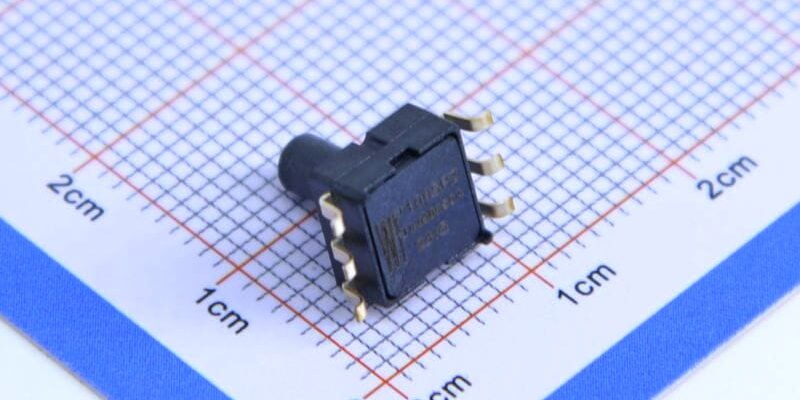
Pressure detection in water quality monitoring extends beyond simple physical quantity measurement—it serves as a crucial indicator of water body health status. Semiconductor pressure sensors utilize the piezoresistive effect of silicon materials and advanced microfabrication techniques to achieve precise capture of pressure variations in water. This technology combines the reliability of traditional pressure measurement with the precision of modern semiconductor technology, providing innovative solutions for water quality monitoring.
Schnelle Reaktionsmechanismen und Echtzeitüberwachungsvorteile
Sofortige Erkennungsfunktionen
The core advantage of semiconductor pressure sensors lies in their ultra-fast response speed. Traditional mechanical pressure gauges require several minutes or longer to achieve stable readings, while semiconductor sensors can complete pressure detection within seconds. This rapid response characteristic stems from the intrinsic properties of silicon materials and optimized circuit design. When water pressure changes occur, strain gauges within the sensor immediately produce resistance variations, converted through precision signal conditioning circuits into readable digital signals.
Kontinuierliche Überwachungsleistung
In water quality monitoring applications, continuous pressure data acquisition is crucial. Semiconductor sensors provide uninterrupted monitoring services, enabling real-time tracking of water body pressure variation trends. This continuous monitoring capability allows water quality management personnel to promptly detect anomalies such as pipeline leaks, abnormal water level fluctuations, or density changes caused by pollutant concentration variations.
Integration mit Überwachungsnetzwerken
Modern semiconductor sensors seamlessly integrate with existing monitoring infrastructure. Their digital output formats are compatible with SCADA systems, IoT platforms, and cloud-based analytics services, creating comprehensive monitoring ecosystems that enhance overall water management capabilities.
Miniaturisierungsdesign und tragbare Integration
Kompakte strukturelle Vorteile
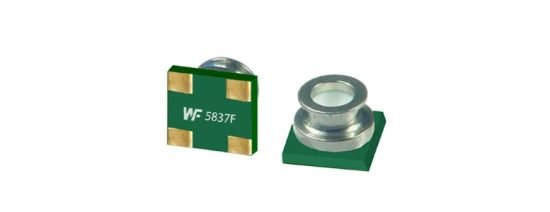
Modern semiconductor pressure sensors like the WF5837F employ extreme miniaturization design. The entire sensor measures only a few cubic millimeters yet provides industrial-grade measurement accuracy. This compact design not only saves installation space but, more importantly, reduces interference with water flow dynamics. In water quality monitoring systems, sensor presence should not affect natural water flow conditions—miniaturization design perfectly addresses this challenge.
Diversifizierte Bereitstellungslösungen
Miniaturization characteristics enable semiconductor pressure sensors to adapt to various deployment scenarios. Whether fixed online monitoring stations, portable detection devices, or unmanned monitoring buoys, these sensors integrate seamlessly. Particularly in urban water supply network monitoring, sensors can be easily installed at pipe joints, near valves, or at dedicated test points, achieving comprehensive pressure monitoring coverage across entire networks.
Feldinstallationsvorteile
The compact form factor significantly reduces installation complexity and costs. Field technicians can deploy sensors quickly without extensive infrastructure modifications, enabling rapid network expansion and system upgrades as monitoring requirements evolve.
Funktionen mit geringem Stromversorgungsunternehmen und Remote -Bereitstellungsfunktionen
Energieeffiziente Designphilosophie
Semiconductor pressure sensors incorporate comprehensive power consumption control during design. Utilizing advanced CMOS processes and intelligent power management technology, sensors can reduce standby power consumption to microwatt levels. This ultra-low power design enables sensors to operate for months or even years on small battery systems or solar power supplies, dramatically reducing maintenance costs and manual intervention frequency.
Fernüberwachungsnetzwerkkonstruktion
Low power characteristics establish the foundation for large-scale water quality monitoring network construction. In remote areas or locations difficult to connect to power grids, semiconductor pressure sensors can establish self-powered monitoring networks. Through wireless communication modules, these sensors can transmit pressure data in real-time to central monitoring systems, achieving truly unmanned surveillance.
Akkulaufzeit Optimierung
Advanced power management algorithms extend operational life by implementing sleep modes, scheduled measurements, and adaptive sampling rates based on environmental conditions. This intelligent power management ensures consistent performance while maximizing deployment duration between maintenance cycles.
Kosteneffizienz und großflächige Bereitstellungsvorteile
Massenproduktionsökonomie
The maturity of semiconductor manufacturing processes provides cost advantages for large-scale pressure sensor production. Utilizing standard silicon wafer processing technology, individual sensor manufacturing costs decrease significantly with increased production volume. This economies-of-scale effect makes extensive deployment of semiconductor pressure sensors feasible, allowing even small and medium-sized water utilities to afford complete monitoring network construction.
Systemintegration Komfort
Semiconductor pressure sensors possess excellent system integration characteristics. Standardized electrical interfaces and communication protocols enable sensors to easily connect to existing water quality monitoring systems. Whether traditional wired SCADA systems or modern IoT platforms, these sensors can interface seamlessly, avoiding additional costs for system modifications.
Lebenszykluskostenanalyse
Beyond initial procurement costs, semiconductor sensors offer superior total cost of ownership through reduced maintenance requirements, extended operational life, and compatibility with automated calibration systems. This comprehensive cost advantage makes them attractive for long-term monitoring deployments.
Kollaborative Erkennung von Multi-Parametern und intelligente Analyse
Druckdatenkorrelationsanalyse
In water quality monitoring, pressure data does not exist in isolation but correlates closely with parameters such as temperature, flow rate, and turbidity. Semiconductor pressure sensors can work collaboratively with other sensor types, forming multi-parameter monitoring networks. Through pressure variation trend analysis, important water quality indicators such as water body density changes and pollutant concentration fluctuations can be inferred.
Intelligente Warnmechanismen
Combined with artificial intelligence algorithms, semiconductor pressure sensors can achieve intelligent anomaly detection and early warning. By establishing baseline patterns for normal pressure variations, systems can automatically identify abnormal pressure fluctuations and issue timely warning signals. This intelligent analysis capability significantly improves the efficiency and reliability of water quality safety management.
Datenfusionsfunktionen
Advanced sensors incorporate multiple detection mechanisms within single packages, enabling simultaneous measurement of pressure, temperature, and flow characteristics. This integrated approach reduces system complexity while providing comprehensive water quality assessment capabilities through sophisticated data fusion algorithms.
Abschluss
The application of semiconductor pressure sensors in water quality monitoring represents a significant advancement in sensing technology. From rapid-response real-time monitoring to miniaturized flexible deployment, from low-power remote operation to cost-effective large-scale applications, these technical characteristics collectively form the technological foundation of modern water quality monitoring systems. The emergence of advanced products like the WF5837F further demonstrates the tremendous potential of semiconductor technology in water quality monitoring applications. As technology continues to develop and improve, semiconductor pressure sensors will undoubtedly play increasingly important roles in ensuring water quality safety and promoting smart water management construction.
Die obige Einführung kratzt nur an der Oberfläche der Anwendungen der Drucksensortechnologie. Wir werden weiterhin die verschiedenen Arten von Sensorelementen untersuchen, die in verschiedenen Produkten verwendet werden, wie sie funktionieren und welche Vor- und Nachteile sie haben. Wenn Sie detailliertere Informationen zu den hier besprochenen Themen wünschen, können Sie sich die entsprechenden Inhalte weiter unten in diesem Handbuch ansehen. Wenn Sie unter Zeitdruck stehen, können Sie auch hier klicken, um die Details dieser Leitfäden herunterzuladen PDF -Daten des Luftdrucksensorprodukts.
Weitere Informationen zu anderen Sensortechnologien finden Sie hier Besuchen Sie unsere Sensors -Seite.